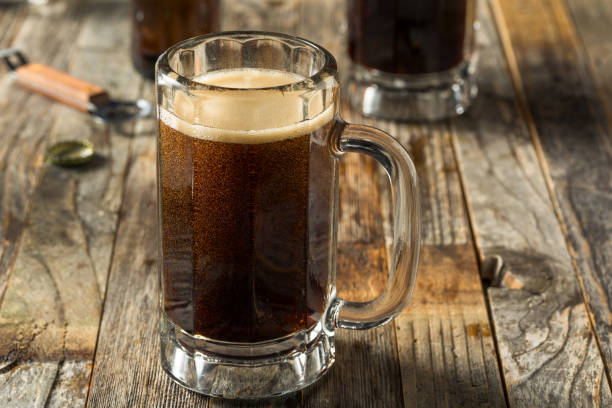
Mug Root Beer Alcohol Content
If you are cracking open a cold can and wondering about the Mug Root Beer alcohol content, you can relax and take a sip. Many people confuse traditional brewed root beer with modern hard sodas, but we are here to clear up the confusion immediately. This guide quickly answers whether Mug contains any alcohol and explains why it is a favorite for all ages. We will dive straight into the facts so you can enjoy your refreshing beverage with total confidence.
Does Mug Root Beer contain alcohol?
Official alcohol percentage and ingredients
Mug Root Beer is a strictly non-alcoholic soda, meaning its official alcohol percentage is 0.0%. Unlike fermented beverages, this popular soft drink is produced through a carbonation process that combines treated water, high fructose corn syrup, and caramel color without any yeast-driven fermentation.
The signature flavor profile is achieved using a blend of natural and artificial flavors that mimic the traditional taste of sassafras and vanilla without requiring any ethanol content.
Because it is a mass-produced soda owned by PepsiCo, it adheres to strict food safety standards ensuring it remains a caffeine-free and alcohol-free beverage option for consumers.
When checking the ingredient label, you will find citric acid and sodium benzoate used as preservatives, but you will never find traces of liquor or spirits.
This makes it a reliable choice for those who need to avoid alcohol for medical, religious, or personal reasons while still enjoying a classic, frothy beverage that pairs perfectly with ice cream or casual meals.
Is Mug Root Beer safe for children?
Yes, Mug Root Beer is considered completely safe for children to consume because it contains no alcohol and is also caffeine-free.
Parents often choose this specific brand for birthday parties and family gatherings because it provides a fun, bubbly experience without the stimulant effects found in colas or the intoxicating effects of adult beverages.
While it is safe in terms of being non-alcoholic, parents should still be mindful of the high sugar content and caloric density typical of most traditional sodas.
To make the experience even more enjoyable for kids, you can serve it as a classic root beer float by adding a scoop of vanilla ice cream, which remains a favorite treat across generations.
Since there are no age restrictions on purchasing or consuming this product, it serves as a staple in household pantries. Always ensure that children consume it in moderation as part of a balanced diet, but rest assured that the lack of alcohol makes it a family-friendly staple for all ages.
How Mug Root Beer differs from hard root beer
It is crucial to distinguish between standard soft drinks like Mug and the growing category of hard root beers, which are alcoholic malt beverages.
While they may share a similar flavor profile featuring notes of wintergreen and anise, hard root beers are brewed similarly to beer and typically contain an alcohol by volume (ABV) of 4% to 6%.
Mug Root Beer is a carbonated syrup-based soda, whereas hard versions undergo a fermentation process that produces ethanol. You can easily identify the difference by checking the packaging for government health warnings and age-verified purchase requirements, which are mandatory for alcoholic versions but absent from Mug products.
Additionally, hard root beers are usually sold in the alcohol aisle of grocery stores, while Mug is found in the soft drink section. If you are looking for a sober-friendly alternative that provides the nostalgic taste of a brewery without the physical effects of intoxication, Mug is the ideal solution.
Understanding these distinctions ensures you make the right choice for your specific dietary needs or social occasion.
How Mug Root Beer is made
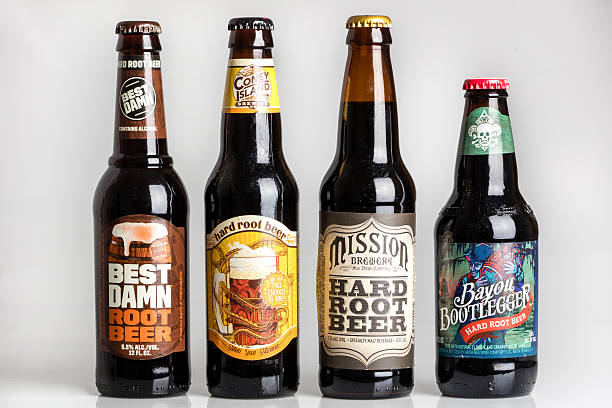
The carbonation process vs. fermentation
To understand the production of Mug Root Beer, it is essential to distinguish between traditional brewing and modern soft drink manufacturing. Unlike historical root beers that relied on natural yeast fermentation to create fizz, Mug utilizes a forced carbonation process.
This method involves injecting pressurized carbon dioxide directly into a chilled liquid mixture of water and syrup. Because this process is purely mechanical and does not involve the metabolic activity of yeast, there is no chemical conversion of sugars into ethanol.
By opting for CO2 injection over fermentation, the manufacturers ensure a consistent level of carbonation and a crisp mouthfeel without any risk of byproduct development. This industrial approach allows for a controlled environment where the beverage remains stable, bubbly, and entirely free from the intoxicating effects associated with fermented drinks.
Consumers can enjoy the signature frothy head and sharp bubbles knowing that the carbonation is strictly non-alcoholic, making it a reliable choice for families and individuals seeking a refreshing, carbonated soda experience.
Key ingredients in the Mug recipe
The distinct flavor profile of Mug Root Beer is achieved through a precise blend of high-quality ingredients that mimic the traditional roots and barks of the past. The base consists of carbonated water and high fructose corn syrup, which provides the foundational sweetness and body.
To achieve that classic ‘old-fashioned’ taste, the recipe incorporates caramel color and natural and artificial flavors that replicate the essence of sarsaparilla, vanilla, and wintergreen. Additionally, citric acid is used to balance the sweetness, while sodium benzoate acts as a preservative to maintain freshness during distribution.
Crucially, the formulation is designed to be caffeine-free and alcohol-free, focusing entirely on a rich, creamy aromatic profile. By using these standardized components, the production team ensures that every can or bottle delivers the same nostalgic flavor without the need for organic materials that might trigger unwanted fermentation.
This carefully curated ingredient list is the secret behind the brand’s smooth finish and its status as a staple non-alcoholic beverage in the competitive soft drink market.
Why there is no alcohol in the final product
The primary reason Mug Root Beer contains zero alcohol is the absence of a fermentation stage during its creation. In the context of ‘mug root beer alcohol content,’ it is important to note that the product is classified as a non-alcoholic soda, not a brewed ale.
The manufacturing cycle skips the biological process where yeast consumes sugar to produce alcohol and gas. Instead, the syrup is blended with purified water and immediately carbonated and sealed. Because there is no yeast introduced to the mixture, there is no opportunity for ethanol to form, even in trace amounts.
This makes the beverage completely safe for all ages, including children and those avoiding alcohol for health or religious reasons. The quality control standards at the bottling plants are rigorous, ensuring that the final product remains a pure soft drink.
By strictly adhering to a syrup-to-water mixing ratio followed by rapid carbonation, the brand guarantees a 0.0% alcohol volume, providing a worry-free solution for anyone searching for a flavorful, festive, and entirely sober refreshment option.
Common myths about root beer and alcohol
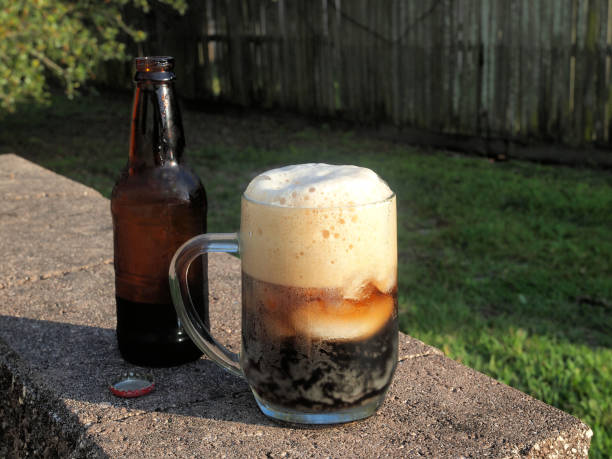
Historical roots of fermented beverages
To understand modern beverages like Mug Root Beer, one must look back at the historical evolution of fermented drinks. Originally, root beer was crafted by indigenous peoples and early settlers using sassafras bark, sarsaparilla, and various herbs.
These early concoctions were often fermented using wild yeast, which naturally produced a very low level of alcohol as a byproduct of the carbonation process. However, these were not intended to be intoxicating spirits; rather, they were medicinal tonics or safe alternatives to contaminated water supplies.
It is a common myth that all traditional root beers were alcoholic, but most were actually categorized as non-intoxicating herbal infusions. When looking for Mug Root Beer alcohol content, it is essential to recognize that modern commercial production has completely removed the fermentation step.
Today, the beverage is manufactured using carbonated water and flavored syrups, ensuring that the alcohol content remains at 0.0%, making it a family-friendly choice that honors its herbal history without the chemical properties of historical fermentation.
The difference between soda and small beer
A frequent point of confusion regarding root beer involves the distinction between ‘small beer’ and modern soda. In the 18th and 19th centuries, small beers were brewed with low sugar content, resulting in a drink with roughly 0.5% to 2% alcohol.
While these were technically fermented, they were consumed by children and adults alike because the alcohol acted as a preservative. In contrast, modern products like Mug Root Beer are classified strictly as carbonated soft drinks, not small beers.
The production process for Mug involves zero fermentation, meaning there is no opportunity for ethanol to develop naturally. If you are concerned about Mug Root Beer alcohol content, you can rest assured that it is a fully non-alcoholic beverage.
Unlike craft-brewed ‘hard’ root beers that are specifically labeled with an ABV (Alcohol by Volume) percentage, standard grocery store root beer is formulated to be a syrup-based soda. This distinction is vital for consumers who need to avoid alcohol for health, religious, or safety reasons while enjoying a classic flavor.
Why root beer is labeled as a soft drink
The labeling of Mug Root Beer as a soft drink is governed by strict regulatory standards that differentiate it from alcoholic beverages.
To be sold as a soda in the United States, a product must contain less than 0.5% alcohol by volume, and most major brands like Mug contain absolutely none. The term ‘soft drink’ was specifically coined to distinguish flavored carbonated beverages from ‘hard’ liquor or spirits.
When checking the Mug Root Beer alcohol content, you will find it listed as a caffeine-free, non-alcoholic soda on all nutritional documentation. This labeling ensures that the product is safe for all ages and compliant with standard food safety laws.
Modern manufacturing uses forced carbonation—injecting carbon dioxide directly into the liquid—rather than the biological fermentation used in the past. This technological shift guarantees a consistent 0% alcohol level in every can.
By understanding these labeling requirements, consumers can confidently enjoy root beer as a safe, refreshing treat that poses no risk of intoxication or interference with sobriety goals.
Nutrition facts and caffeine content in Mug Root Beer
Sugar and calorie breakdown
When examining the nutritional profile of Mug Root Beer, it is important to note that a standard 12-ounce serving contains approximately 160 calories and 43 grams of sugar. These carbohydrates come primarily from high fructose corn syrup, providing the signature creamy sweetness consumers expect from a classic soda.
Importantly, for those specifically searching for the alcohol content, Mug Root Beer is a non-alcoholic beverage containing 0% alcohol by volume. It is strictly a soft drink designed for all ages, making it a safe choice for family gatherings and designated drivers.
The sodium content is relatively low at about 65mg per can, but the high sugar density means it should be enjoyed in moderation as part of a balanced diet.
Understanding these macronutrient facts helps consumers manage their daily caloric intake while enjoying the rich, foamy head and classic sarsaparilla-inspired flavor profile that defines this popular American root beer brand without any hidden alcoholic components.
Is Mug Root Beer caffeine-free?
A common concern for parents and late-night snackers is whether their beverage will interfere with sleep patterns or cause jitters. You can rest easy knowing that Mug Root Beer is 100% caffeine-free, distinguishing it from many other popular sodas like colas or certain citrus drinks.
This lack of stimulants makes it an ideal base for a classic root beer float or a refreshing treat during evening hours. Because it contains no caffeine and zero alcohol, it serves as a versatile mixer for mocktails and kid-friendly parties.
While some boutique root beer brands may include trace amounts of caffeine or botanical stimulants, this mainstream version focuses on delivering a smooth, caffeine-free experience. Always check the ingredient label to confirm, but the standard formulation remains consistent across cans, bottles, and fountain dispensers.
This makes it a reliable choice for individuals who are sensitive to caffeine or those looking to reduce their overall intake of stimulants throughout the day.
Diet Mug Root Beer options
For those who want to enjoy the nostalgic flavor of root beer without the high caloric load, Diet Mug Root Beer provides an excellent alternative. This version contains zero calories, zero sugar, and zero alcohol, utilizing artificial sweeteners like aspartame and acesulfame potassium to replicate the traditional sweetness.
It maintains the same creamy texture and foamy carbonation as the original version, making it a favorite for those managing blood sugar levels or following a ketogenic lifestyle. Like the original, the diet variety is completely caffeine-free, ensuring it fits into a variety of dietary restrictions and preferences.
Switching to the diet version can significantly reduce daily sugar consumption while still satisfying a craving for a bold, bubbly beverage.
Whether you are counting calories or simply prefer a lighter finish, the diet option ensures that the classic root beer experience remains accessible to everyone without the nutritional baggage of liquid sugar or the concerns associated with alcoholic beverages and caffeinated energy drinks.
Popular alcoholic root beer brands to watch for
How to spot hard root beer labels
When searching for alcoholic alternatives to standard sodas like Mug, it is essential to look for specific terminology on the packaging to ensure you are purchasing an adult beverage.
While traditional Mug Root Beer contains zero alcohol, hard root beer brands like Not Your Father’s or Coney Island will explicitly state ‘Hard Root Beer’ or ‘Spiked’ on the front of the bottle or can.
You should also look for the Alcohol by Volume (ABV) percentage, which is a legal requirement for alcoholic products but absent from soft drinks.
Pay close attention to the government health warning typically found on the back or side of the label, as this is the most reliable indicator that the product contains alcohol. Additionally, many craft breweries use darker, more intricate label designs for their hard sodas to distinguish them from family-friendly options.
Always verify the brand name and product description carefully before purchasing to avoid confusing a standard soda with a malt-based alcoholic beverage.
Average ABV in alcoholic root beers
If you are comparing the zero-proof nature of Mug to its alcoholic counterparts, it is helpful to understand the typical potency of these beverages. Most popular hard root beer brands feature an average ABV of 4% to 6%, which is roughly equivalent to a standard domestic lager or ale.
Some specialty craft versions, however, can reach a much higher alcohol content of 10% or more, often labeled as ‘Imperial’ or ‘Double’ hard root beers.
Because the high sugar content and intense botanical flavors of root beer can effectively mask the taste of alcohol, it is vital to drink these beverages responsibly and track your consumption.
Unlike regular soda, which can be consumed in large quantities, the caloric density and alcohol levels in hard root beer require a more moderate approach.
Always check the specific ABV printed on the individual container, as the strength can vary significantly between different manufacturers and seasonal releases within the same brand family.
Where to buy adult root beer versions
Finding alcoholic root beer requires visiting specific retailers, as these products are not sold in the same aisles as standard Mug Root Beer. You can typically find a wide selection in the craft beer section of major grocery stores or at dedicated liquor stores and beverage warehouses.
Many large-scale retailers now stock popular brands like Best Damn Root Beer or Saranac in their refrigerated alcohol cases alongside hard seltzers and ciders. If you are looking for a specific high-ABV variety, checking online delivery platforms or local brewery taprooms is often the most effective strategy.
Be prepared to provide a valid government-issued ID for age verification, as these products are strictly regulated and cannot be purchased by minors.
While standard soda is available in vending machines and convenience store soda fountains, hard root beer is almost exclusively sold in bottles, cans, or growler fills at licensed establishments. Always confirm the store’s inventory online before visiting to ensure they carry the specific alcoholic root beer brand you are seeking.
Best ways to mix Mug Root Beer for cocktails
Classic root beer float with a twist
While Mug Root Beer contains zero alcohol on its own, you can easily transform this nostalgic soda into a sophisticated adult beverage by adding a spirited kick. To create the ultimate spiked float, start with a chilled glass and add two generous scoops of premium vanilla bean ice cream.
Slowly pour your Mug Root Beer over the top to manage the foam, then stir in two ounces of dark spiced rum or bourbon to elevate the flavor profile.
The natural carbonation and creamy head of the soda interact beautifully with the oaky notes of the spirit, creating a complex dessert cocktail. For those looking to answer the query of alcohol content while maintaining a balanced drink, remember that the final ABV depends entirely on your choice of mixer.
You can garnish this treat with a maraschino cherry and a drizzle of salted caramel to enhance the rich sassafras notes. This method ensures a consistent, delicious result every time you serve it.
Spirits that pair well with Mug Root Beer
Because Mug Root Beer is a non-alcoholic soft drink, it serves as a versatile, caffeine-free base for a wide variety of alcoholic combinations. The most successful pairings involve spirits that complement its signature vanilla and wintergreen undertones.
Spiced rum is the gold standard because its cinnamon and nutmeg notes mirror the botanical complexity of the root beer. If you prefer a smoother finish, whipped cream or vanilla-flavored vodka creates a liquid version of a classic float that is surprisingly easy to drink.
For a bolder, more traditional cocktail, high-proof bourbon provides a smoky contrast to the soda’s sweetness, resulting in a drink similar to a dark and stormy. Always remember that since the soda itself has no alcohol, you have complete control over the potency of your beverage.
Experimenting with butterscotch schnapps or coffee liqueurs can also yield unique results, making Mug Root Beer an essential staple for any home bar setup looking to provide diverse and flavorful options.
Party recipes for root beer mocktails
If you are hosting a gathering and want to provide inclusive options that mimic the complexity of a cocktail without any alcohol content, Mug Root Beer is your best friend.
You can craft a sophisticated ‘Root Beer Mule’ by mixing the soda with fresh lime juice and a splash of ginger beer for a spicy, refreshing zing. This combination highlights the herbal notes of the Mug brand while providing the bite usually associated with spirits.
Another crowd-pleasing option is the ‘Sassafras Sunrise,’ which involves layering root beer with a touch of grenadine and a squeeze of fresh orange over crushed ice. These mocktails ensure that every guest can enjoy a festive, well-crafted drink regardless of their preference for spirits.
By using high-quality garnishes like fresh mint sprigs or cinnamon sticks, you elevate the presentation to match any professional bar. These alcohol-free recipes prove that you do not need spirits to create a memorable and flavorful beverage experience using this classic American soda.
Frequently asked questions about Mug Root Beer
Can you get drunk on Mug Root Beer?
You cannot get drunk on Mug Root Beer because it is a non-alcoholic soda designed for consumers of all ages. Unlike traditional historic brews that were fermented using yeast and sugar, modern commercial varieties like Mug are strictly carbonated soft drinks.
The production process involves mixing carbonated water with high fructose corn syrup, caramel color, and specific flavorings to mimic the classic sarsaparilla taste without any fermentation or ethanol production.
Because the alcohol content is 0.0% by volume, there is no risk of intoxication or impairment regardless of how much you consume. It is a safe, family-friendly beverage option for parties, dinners, or casual refreshment.
If you are looking for a bubbly drink that satisfies a sweet tooth without the effects of alcohol, Mug Root Beer is a reliable choice.
Always check the nutritional label for sugar and calorie information, but you can rest assured that this classic beverage is completely free of alcohol and safe for children and designated drivers.
Is Mug Root Beer Halal and Kosher?
Mug Root Beer is widely considered compatible with various dietary laws, including Halal and Kosher standards, because it does not contain alcohol or animal-derived ingredients.
For a product to be Halal, it must be free from prohibited substances like ethanol; since Mug is a non-fermented soft drink, it meets this primary requirement for Islamic dietary guidelines.
Similarly, many PepsiCo products, including Mug, carry Kosher certification (often the OU symbol) indicating that the ingredients and manufacturing equipment comply with Jewish dietary laws. The primary ingredients, such as carbonated water, sweeteners, and citric acid, are generally plant-based or synthetic, avoiding any cross-contamination with non-permissible items.
However, consumers with strict religious requirements should always check the physical packaging for the specific certification symbols, as formulations or manufacturing facilities can occasionally change.
By verifying the label for the ‘U’ or ‘K’ marks, you can enjoy your soda with total confidence that it aligns with your religious and ethical dietary preferences while remaining a refreshing, alcohol-free treat.
Does root beer extract contain alcohol?
While the finished Mug Root Beer soda is alcohol-free, the root beer extract used during the flavoring process often contains a small amount of alcohol. Manufacturers frequently use ethanol as a solvent to dissolve and preserve the complex essential oils and aromatic compounds derived from roots, barks, and herbs.
This alcohol acts as a carrier, ensuring that the concentrated flavors remain stable and mix evenly into the syrup base. However, during the commercial production of the final soda, this extract is highly diluted with water and sweeteners.
The resulting concentration of alcohol in the bottled beverage becomes so negligible that it falls far below the legal threshold for non-alcoholic drinks, typically registering as zero percent alcohol.
If you are brewing root beer at home using store-bought extract, the final product will remain non-alcoholic as long as you do not add yeast for fermentation.
Understanding this distinction helps consumers realize that while concentrated flavorings use alcohol for chemistry purposes, the soda in your glass is a safe, non-intoxicating soft drink.
Frequently Asked Questions
Does Mug Root Beer contain alcohol?
No, Mug Root Beer is a non-alcoholic soda. It is produced by PepsiCo as a soft drink and does not contain any fermented ingredients or ethanol.
Is Mug Root Beer safe for children to drink?
Yes, Mug Root Beer is safe for children because it is a caffeine-free and alcohol-free beverage. It is classified as a standard carbonated soft drink similar to Pepsi or Sierra Mist.
Is there a difference between Mug Root Beer and ‘Hard’ Root Beer?
Yes, standard Mug Root Beer is a non-alcoholic soft drink, whereas ‘hard’ root beers are specifically brewed with alcohol. Mug does not currently produce an alcoholic version of their root beer.
Does the brewing process of Mug Root Beer create trace amounts of alcohol?
Unlike traditional fermented root beers, modern commercial sodas like Mug are made using carbonated water and flavored syrups. This manufacturing process does not involve fermentation, ensuring 0.0% alcohol content.
Is Mug Root Beer caffeine-free as well as alcohol-free?
Yes, Mug Root Beer is both alcohol-free and caffeine-free. This makes it a popular choice for late-night consumption or for individuals who are sensitive to stimulants.
Can I use Mug Root Beer in non-alcoholic cocktails?
Absolutely. Because it contains no alcohol, Mug Root Beer is a primary ingredient in ‘mocktails’ and traditional root beer floats, providing a rich, creamy flavor without any intoxicating effects.
Conclusion
In summary, Mug Root Beer is a caffeine-free, non-alcoholic soda that is safe for all ages to enjoy. While it captures the classic, creamy flavors of traditional brews, it contains zero percent alcohol. Whether you are hosting a family gathering or looking for a refreshing treat, you can sip with confidence knowing it is a soft drink. Always check labels for specific dietary needs, but feel free to indulge in this nostalgic, bubbly favorite today.