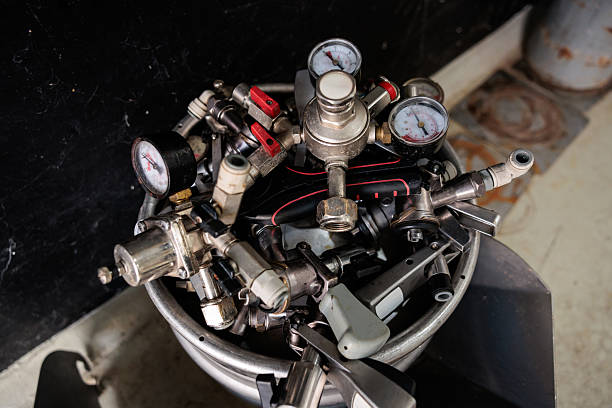
Different Types Of Keg Taps
From party pumps to CO2-powered systems, each tap serves a unique purpose depending on your needs. Whether you’re hosting a backyard BBQ or running a bar, choosing the right keg tap makes all the difference in beer quality and ease of use. In this guide, we’ll break down the most common types, how they work, and which one’s best for your setup—so you can pour the perfect pint every time.
What Is a Keg Tap and How Does It Work?
How keg taps connect to kegs
Keg taps connect to kegs through a coupler system designed to match specific keg valve types, ensuring a secure and airtight seal. The most common type is the D-system coupler, widely used in the U.S. for domestic brands like Budweiser and Coors.
It features a lever that locks onto the keg’s valve, allowing CO2 pressure to enter the keg while beer flows out through a separate tube. Another prevalent type is the S-system coupler, used primarily for European imports, which has a different neck design and locking mechanism.
Some specialty beers use U-system or G-system couplers, common in Germany and the UK, respectively. Each coupler type is not interchangeable, so matching the correct tap to the keg is essential. The connection process involves aligning the coupler with the keg valve, pushing firmly, and turning the handle to lock.
This action opens the internal valve, enabling beer dispensing when the tap is pulled.
The basic mechanics of dispensing beer
Dispensing beer from a keg relies on pressurized gas, typically CO2 or a CO2-nitrogen blend, to push the beer from the keg to the tap. When the coupler is connected, gas enters the keg through the center spear, maintaining pressure above the liquid.
As the tap handle is pulled, a valve opens, allowing beer to travel up the outlet tube and through the beer line to the faucet. The flow rate and foam level are controlled by balancing gas pressure with line length and diameter.
Too much pressure causes excessive foam, while too little results in slow pour or flat beer. Proper temperature (usually 38°F) is also critical to maintain carbonation stability. This system ensures consistent, fresh pours every time.
Unlike manual pumps, keg taps use regulated pressure, making them ideal for commercial and home draft systems where quality and efficiency are priorities.
Common components of a keg tap system
A complete keg tap system consists of several interdependent components that work together to dispense beer cleanly and efficiently. The keg coupler connects directly to the keg and contains valves for gas input and beer output.
Attached to this is the beer line, a food-grade hose that carries beer to the faucet, typically made of stainless steel for durability and hygiene. The CO2 tank supplies pressurized gas, regulated by a gas regulator that controls pressure levels to prevent over-carbonation or foaming.
A picnic tap is a portable alternative, combining a small hand pump with a faucet for temporary use. Other key parts include airline tubing, fittings, and sometimes a draft tower for built-in systems.
Regular cleaning of all components, especially the beer lines and faucet, is essential to prevent contamination and off-flavors. Each part must be compatible and properly maintained for optimal performance.
Types of Keg Taps for Home Use
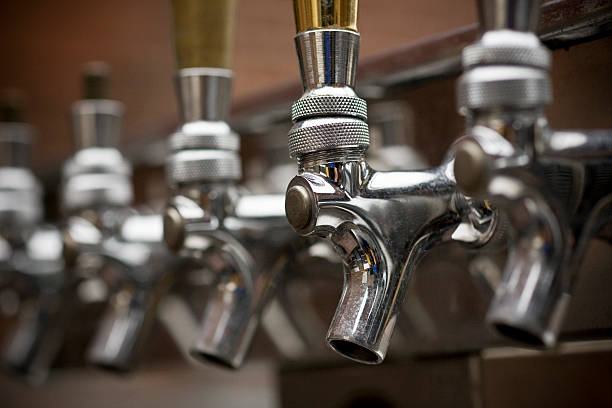
Portable picnic taps for small kegs
A portable picnic tap is an affordable, easy-to-use option ideal for serving beer from small 5-liter or quarter-barrel kegs at parties or outdoor events. This system operates without CO2, using a simple hand pump mechanism that pushes air into the keg to dispense beer through a spigot.
Setup is quick—just insert the tap into the keg’s opening, secure it with a clamp, and begin pumping. While convenient, picnic taps introduce oxygen into the keg, which can oxidize the beer and degrade flavor within 12–24 hours.
They work best for short-term use when the entire keg will be consumed quickly. Maintenance is minimal: rinse the tubing and tap after use to prevent residue buildup. These taps are inexpensive and highly portable, making them a smart choice for occasional use.
However, they don’t provide the smooth pour or long-term freshness of pressurized systems, so reserve them for casual gatherings where convenience outweighs precision.
CO2-powered home keg systems
A CO2-powered home keg system is the gold standard for serious home brewers and beer enthusiasts who want bar-quality draft beer at home. These systems use a regulated CO2 tank to pressurize the keg, forcing beer through tubing to a tap with a smooth, consistent pour.
They work with full-size and pony kegs, maintaining carbonation and flavor for weeks. Temperature control is critical—pair the system with a dedicated kegerator or converted refrigerator to keep beer at optimal serving temps.
Components include a CO2 tank, regulator, coupler, and draft tower, allowing for multiple keg setups with proper manifolding. Though more expensive and complex than manual options, they offer long-term freshness and professional results. Regular cleaning of lines and proper pressure settings prevent foaming.
With routine maintenance, a CO2 system delivers reliable performance and superior taste, making it ideal for frequent entertaining or extended keg storage.
Manual hand pump options
Manual hand pumps, also known as beer engines or cask pumps, offer a traditional, non-pressurized way to serve draft beer at home without electricity or CO2. These systems use a hand-operated piston to draw beer from the keg, preserving its natural carbonation while minimizing oxidation compared to picnic taps.
They’re especially suited for real ales and cask-conditioned beers that thrive under low-pressure dispensing. Installation is straightforward—attach the pump to the keg’s fitting, prime the system, and pump the handle to pour.
While they don’t require gas tanks, hand pumps still need regular cleaning to prevent microbial growth in the lines. Their main limitation is serving speed and effort, as each pour requires manual pumping. However, they provide an authentic pub experience and are eco-friendly and quiet.
Ideal for home bars or kitchens where ambiance matters, manual pumps balance simplicity and tradition for discerning beer lovers who value flavor and craftsmanship.
Commercial Keg Taps for Bars and Restaurants
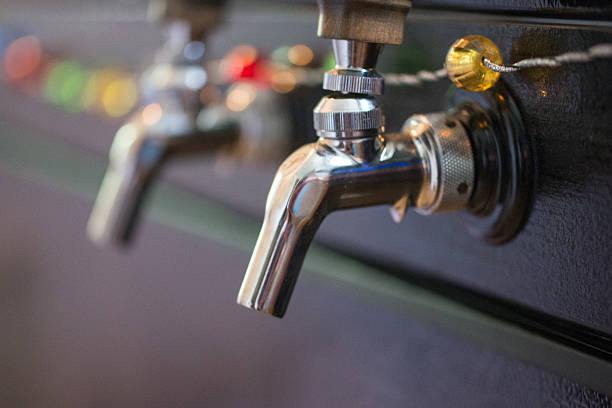
Direct draw keg systems
A direct draw keg system is ideal for bars and restaurants with limited storage space or a smaller selection of draft beverages. In this setup, the keg is stored directly beneath the draft tower, typically inside a refrigerated unit, and connected via short tubing.
This short beer line length reduces resistance and maintains optimal carbonation, delivering fresh, consistent pours. These systems are easy to install and maintain, making them perfect for low-volume operations or pop-up bars.
Because the keg and tap are in close proximity, there’s minimal need for additional equipment like long lines or external glycol pumps. Regular cleaning of lines and faucets is still essential to prevent buildup and off-flavors.
Direct draw systems work best with standard keg sizes and are most effective when dispensing lagers, ales, and other beers served at standard pressures. For establishments prioritizing simplicity and cost-efficiency, this system offers a reliable, space-saving solution without sacrificing draft quality.
Remote keg dispensing setups
Remote keg dispensing setups are designed for high-volume bars and restaurants that store kegs in a centralized cooler, often in a basement or back room, far from the serving area. These systems use long beer lines and glycol cooling systems to maintain consistent temperature and pressure over extended distances.
The glycol recirculation system ensures beer stays cold from keg to tap, preserving flavor and minimizing foam. This configuration allows for greater keg capacity and improved space utilization behind the bar, where counter space is valuable.
While more complex to install and maintain than direct draw systems, remote setups offer superior scalability and draft consistency across multiple taps. They are especially beneficial for large venues with extensive beer menus. Proper insulation, line cleaning, and pressure regulation are critical for optimal performance.
With professional installation and routine maintenance, remote dispensing delivers bar-quality pours every time, even over 50+ feet of line.
Tower-mounted tap configurations
Tower-mounted tap configurations are a core component of both direct draw and remote draft systems, serving as the visible interface between the keg and the customer. These towers house stainless steel faucets and shanks that connect to beer lines and control the flow of draft beverages.
Available in various styles—such as single, dual, or multi-faucet towers—they can be customized to match a bar’s aesthetic and service needs. Proper tower refrigeration is essential to prevent warm beer and excessive foaming at the tap.
In direct draw systems, the tower sits atop the cooler, with internal coils keeping lines cold. For remote systems, the tower acts as the final dispensing point after beer travels through insulated, glycol-cooled lines. Easy access for cleaning and maintenance ensures hygiene and performance.
When selecting a tower, consider height, faucet spacing, and compatibility with your draft system. A well-designed tower enhances both functionality and customer experience, making it a critical investment for any serious draft operation.
How to Choose the Right Keg Tap for Your Needs
Matching tap type to keg size
Choosing the right keg tap starts with matching the tap type to your keg size to ensure efficient pouring and minimal waste.
For smaller kegs like 5-liter or 1/6 barrel (quarter barrel), a picnic tap or party pump is ideal for short-term use and portability, as it operates without CO2 and uses manual pressure. However, these are best for immediate consumption, as they introduce oxygen, which spoils beer faster.
For full-sized 1/2 barrel (full keg) or 1/4 barrel (pony keg) systems, a CO2-powered kegerator tap is recommended for consistent, long-term dispensing. These systems use a regulator and gas cylinder to maintain proper pressure and preserve beer quality.
Ensure the coupler type matches your keg’s valve system—D-system for domestic brands and S-system for European imports. By aligning your tap with keg size and usage duration, you’ll ensure fresh, properly poured beer every time while minimizing foam and waste.
Considering beer line length and pressure
To pour the perfect draft beer, it’s essential to balance beer line length with system pressure. If the lines are too short or the pressure too high, beer pours too fast, creating excessive foam. Conversely, long lines with low pressure cause slow, flat pours.
A general rule is to maintain 2–3 psi of resistance per foot of beer line, depending on beer type and temperature. For example, a standard 12-foot beer line at 12 psi requires properly sized internal diameter tubing (usually 3/16 inch) to balance flow.
Lager and pilsners need colder temps and higher pressure, while ales pour best at slightly warmer temps with moderate pressure. Use a flow rate of 8–10 seconds per pint as a benchmark.
Adjusting line length and pressure not only improves taste and presentation but also reduces waste and enhances user experience. This balance is especially crucial for long-term keg dispensing in homes or bars.
Budget vs. long-term investment
When selecting a keg tap, weigh immediate budget constraints against long-term value. Entry-level options like hand-pump picnic taps cost under $30 and are great for one-time events, but they limit beer freshness and aren’t suitable for repeated use.
In contrast, investing $150–$400 in a CO2-based kegerator system pays off for frequent users by delivering consistent, bar-quality pours and longer beer shelf life. Consider ongoing costs: CO2 refills, replacement parts, and maintenance are minimal but necessary.
Stainless steel taps and commercial-grade couplers last longer and resist corrosion, reducing replacement frequency. Durability, ease of cleaning, and compatibility with multiple keg types enhance long-term utility. For home entertainers or small bars, this investment ensures reliability and professional results.
Ultimately, spending more upfront often saves money and frustration over time, making it a smarter choice for serious beer enthusiasts who value quality and convenience.
Step-by-Step Guide to Installing a Keg Tap
Preparing your keg and tap equipment
Before installing a keg tap, gather all necessary components including the keg, CO2 tank, regulator, beer line, coupler, and tap handle. Ensure the keg is properly chilled to 38°F (3°C) to prevent excessive foaming. Clean the beer lines and tap components thoroughly to avoid contamination.
Identify the correct coupler type based on your keg—common types include S-coupler (American), D-coupler (German), and U-coupler (European). Each coupler is designed to fit specific keg valves, so using the right one is critical for a secure connection.
Attach the beer line to the coupler outlet and connect the air line from the regulator to the CO2 inlet. Double-check all connections for tightness, and open the CO2 tank valve slowly to avoid pressure spikes. Proper preparation ensures a smooth setup and optimal beer dispensing.
Connecting the coupler to the keg
Align the coupler with the valve on top of the keg, ensuring compatibility with the keg type—S, D, U, G, or A-couplers each fit specific systems. Firmly place the coupler onto the keg valve and rotate the handle clockwise until it locks securely.
You should feel resistance, and the handle should sit flush, indicating a proper seal. This action opens the keg’s internal valve, allowing CO2 pressure to push beer through the spear tube. Avoid forcing the coupler, as misalignment can damage the valve or cause leaks.
Once attached, check for any hissing sounds, which may indicate a poor seal. If detected, reseat the coupler carefully. A secure connection ensures consistent beer flow and prevents CO2 loss. This step is essential for maintaining carbonation and dispensing quality.
Setting CO2 pressure and testing flow
Adjust the CO2 regulator to the recommended pressure, typically 10–12 PSI for most ales and lagers served at 38°F. Higher pressures can over-carbonate beer, while lower pressures cause slow pour and flatness.
Open the tap handle and let a small amount of beer flow into a glass to clear any air from the line. Observe the pour: a smooth, steady stream with minimal foam indicates correct pressure.
If the beer foams excessively, reduce the pressure slightly; if it pours too slowly, increase it. Make incremental adjustments and retest until optimal flow is achieved. Ensure the draft system is balanced—proper line length and diameter help maintain pressure stability.
Once the flow is consistent, your keg tap is ready for service. Regular monitoring ensures long-term performance.
Maintaining and Cleaning Your Keg Tap System
Daily cleaning routines for draft lines
Performing daily cleaning routines is essential to maintain the quality and taste of your draft beer. At the end of each day, flush the draft lines with cold, clean water to remove residual beer that can spoil and harbor bacteria.
Every few days, or after each keg change, run a food-safe cleaning solution through the lines using a pump system to break down proteins, yeast, and hop residues. Allow the solution to soak for at least 15 minutes before rinsing thoroughly with cold water to eliminate any chemical residue.
Regular flushing prevents buildup that affects beer clarity and flavor. Always inspect lines for cloudiness or odor, which are signs of contamination. Use color-coded line brushes to avoid cross-contamination between different beer types. Keeping a consistent cleaning log helps track maintenance and identify issues early.
These steps ensure your draft system delivers fresh, great-tasting beer every time.
How to sanitize tap handles and couplers
Sanitizing tap handles and couplers is a critical step in preventing contamination and ensuring beer quality. Begin by removing the tap handle and coupler from the keg system to access all surfaces.
Soak them in a no-rinse sanitizer solution for at least 5 minutes, making sure to cover crevices where bacteria can hide. Use a small brush or toothbrush to scrub around seals, springs, and connection points.
After brushing, allow components to air dry on a clean rack—avoid towel drying, which can reintroduce contaminants. Reassemble only when completely dry. Perform this process at least weekly, or more often in high-volume environments.
Inspect O-rings and gaskets regularly for wear and replace them as needed to maintain a tight, sanitary seal. Proper sanitation protects against off-flavors and ensures each pour meets quality standards, enhancing customer satisfaction and system longevity.
Preventing clogs and mold buildup
To prevent clogs and mold buildup in your keg tap system, maintain a strict cleaning schedule and monitor system components closely. Stagnant beer and moisture in lines or couplers create ideal conditions for mold and microbial growth.
Always drain and clean lines after changing kegs and avoid leaving lines idle for extended periods. Use in-line filters to catch sediment and particles before they enter the tap. Ensure all parts are fully dried after cleaning to discourage mold.
Install air gaps or check valves to prevent backflow and contamination. Regularly inspect chilled areas like keg coolers, where condensation can promote mold. Address any musty smells immediately—these are early signs of contamination.
By combining proactive maintenance with proper storage and airflow, you significantly reduce the risk of clogs and ensure smooth, reliable dispensing. A clean system means better-tasting beer and fewer service interruptions.
Troubleshooting Common Keg Tap Problems
Fixing foamy beer dispensing issues
Foamy beer is often caused by incorrect line temperature, improper pressure settings, or dirty draft lines. Ensure your keg is stored at the ideal temperature of 38°F (3°C) to prevent excessive carbonation release. Check the regulator pressure—most systems operate best between 10–12 psi; too high and the beer becomes agitated.
Also, inspect the length and diameter of beer lines; mismatched lines can cause turbulence. Clean all components, including the tap tower and faucet, as residue disrupts flow and promotes foam. Pour slowly at a 45-degree angle, straightening the glass as it fills.
If foam persists, bleed excess pressure from the keg by briefly opening the relief valve. Finally, confirm the beer line isn’t kinked or too short, both of which increase flow speed and foam. Regular maintenance prevents most foaming issues.
What to do when beer won’t flow
When beer won’t flow, start by checking the keg’s CO2 supply—ensure the tank isn’t empty and the regulator is properly connected and set to 10–12 psi. Inspect the coupler to confirm it’s fully engaged with the keg; a loose fit prevents beer release.
Verify the tap handle is fully pulled down and not obstructed. If the keg is new, pierce the seal correctly by firmly pulling the tap handle once. Look for blockages in the beer line or faucet, which can be cleared by disassembling and rinsing components.
A frozen beer line—common in over-chilled environments—can also halt flow; allow it to thaw gradually. If the keg is nearly empty, sediment may clog the dip tube; gently rocking the keg can help. Always test connections for leaks that disrupt pressure balance.
Identifying and replacing worn seals
Worn or dried-out O-rings and gaskets in keg taps cause leaks, pressure loss, and poor dispensing. Regularly inspect seals on the coupler, faucet, and shank for cracks, flattening, or brittleness. If beer leaks around the tap or hissing sounds indicate gas escape, replace the seals immediately.
Use food-grade silicone lubricant to condition new O-rings before installation, ensuring a tight, lasting seal. Keep spare seals on hand—most taps use standard sizes. To replace, disassemble the affected part, remove the old seal, insert the new one, and reassemble securely. Avoid overtightening, which can damage seals.
Clean components before reassembly to prevent debris from compromising the seal. Replacing worn seals every 6–12 months, or when issues arise, maintains optimal tap performance and beer quality.
Frequently Asked Questions
What are the different types of keg taps?
The main types of keg taps include American Sankey, European Sankey, and S System taps. Each type is designed to fit specific keg valve systems used by different beer manufacturers and regions.
How does an American Sankey tap work?
An American Sankey tap is the most common type in the U.S. and connects to domestic kegs like those from Budweiser and Coors. It uses a lever or handle to open the valve and release beer when pulled down.
What is a European Sankey tap used for?
European Sankey taps are used for imported kegs from Europe, such as Heineken or Guinness. They have a different coupling system than American taps and often require a special key or adapter.
How do S System keg taps differ from others?
S System taps are used primarily for smaller kegs, like 5-liter mini kegs. They are manually operated and puncture the keg’s inner and outer seals when twisted into place.
Can one tap work with all keg types?
No, keg taps are not universal; each tap type is designed for specific keg valves. Using the wrong tap can damage the keg or prevent proper dispensing.
How do I choose the right tap for my keg?
Identify the beer brand and keg type—domestic, import, or mini keg—then match it to the correct tap: American Sankey for most U.S. brands, European Sankey for imports, and S System for mini kegs.
Conclusion
Choosing the right keg tap depends on your needs, whether at home or in a commercial setting. From party pumps to CO2 systems, each type offers unique benefits in convenience, freshness, and flow control. Understanding these differences ensures better beer quality and serving efficiency. Cheers to finding your perfect pour!