
Draught Beer At Home
Dreaming of pub-quality draught beer at home without the hassle? You’re not alone—and yes, it’s absolutely possible. Whether you’re a casual sipper or a serious beer lover, bringing the tap experience to your kitchen is easier than ever. From kegerators to portable taps, we’ll walk you through the simplest, most affordable ways to enjoy fresh, fizzy draught beer on demand. No bar needed. Let’s dive into the smart setups that make every pour perfect, so you can crack open a cold one like a pro—right in your living room.
What Is Draught Beer and How Is It Different?
How draught beer differs from bottled and canned beer
Draught beer is served directly from a keg or cask through a tap system, while bottled and canned beer is packaged and sealed for shelf stability.
The key difference lies in exposure to light, oxygen, and temperature fluctuations—bottled and canned beers can degrade over time due to these factors, while draught beer is kept cold and sealed under pressure until served. This preserves flavor and carbonation more effectively.
Additionally, draught systems allow bars and homes to serve beer without pasteurization in many cases, maintaining a fresher, more authentic taste. For home use, portable kegs and mini-tap systems make it easier than ever to enjoy draught-style beer with minimal setup.
The role of CO2 and nitrogen in draught systems
Draught beer systems rely on pressurized gas—typically CO2, nitrogen, or a blend—to push beer from the keg to the tap. CO2 maintains carbonation and is ideal for most ales and lagers, while nitrogen creates a smoother, creamier texture favored in stouts and porters.
The correct gas blend and pressure are crucial to prevent over- or under-carbonation. At home, small CO2 tanks or nitrogen cartridges power countertop dispensers, ensuring consistent pour quality. Regulating gas pressure ensures the beer flows smoothly without foaming excessively.
Home draught systems often use pre-pressurized kegs or disposable gas cylinders, making it simple to replicate bar-quality pours with minimal maintenance and technical knowledge.
Why draught beer tastes fresher to many drinkers
Many people find draught beer tastes fresher because it’s protected from light and oxygen—two major causes of beer spoilage. Bottles and cans, even when stored properly, can slowly degrade due to UV exposure and tiny oxygen leaks.
In contrast, kegs used in draught systems are hermetically sealed and kept cold, preserving the beer’s original flavor profile. Additionally, draught beer is often consumed faster than bottled stock, reducing age-related staleness. For home users, mini-fridge keg systems maintain ideal serving temperatures and limit oxidation, delivering a consistently fresh pour.
The absence of pasteurization in many draught beers also helps retain delicate hop aromas and malt complexity.
Common misconceptions about home draught beer
Many believe home draught systems are expensive, complicated, or only for beer enthusiasts, but modern solutions are user-friendly and affordable. Compact kegerators, disposable kegs, and portable taps make it easy for anyone to serve draught beer at home.
Another myth is that home draught beer spoils quickly, but when stored at proper temperatures and under correct pressure, a keg can last weeks. People also assume all draught beer is unpasteurized, but many commercial kegs are treated for stability—home systems simply preserve whatever beer they dispense.
Lastly, some think nitrogen is standard, but most home setups use CO2 for versatility. With the right equipment, home draught beer is convenient, consistent, and bar-quality.
Types of Home Draught Beer Systems
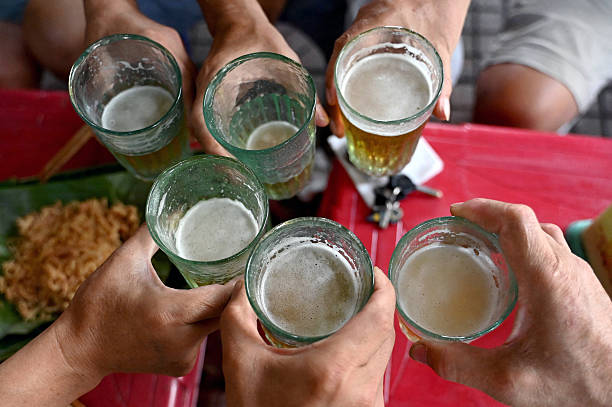
Keg dispensers with CO2 tanks (direct draw)
A keg dispenser with a CO2 tank, also known as a direct draw system, is one of the most reliable ways to enjoy fresh, consistently pressurized draught beer at home.
This system uses a CO2 tank to push beer from a full-sized or quarter keg through a beer line to a tap, maintaining proper carbonation and pour quality. Ideal for dedicated beer enthusiasts, these units require minimal maintenance beyond cleaning lines and monitoring gas pressure.
Temperature control is critical—keep the keg at 38°F (3°C) for optimal results. Direct draw systems deliver bar-quality pours and support multiple kegs with dual taps. While setup involves assembling regulators and beer lines, the long-term payoff is smooth, professional-grade beer right from your basement or kitchen.
Portable beer taps (party pumps and hand pumps)
Portable beer taps, including party pumps and hand pumps, offer a quick, CO2-free solution for serving draught beer at home during gatherings. A party pump uses air pressure from a hand pump to push beer from a keg, making it easy to set up without gas tanks.
However, air exposure limits freshness—kegs should be consumed within 12–24 hours. Hand pumps (like cask ale pumps) are traditional, manually operated systems that draw beer without pressurized gas, ideal for ales and craft brews served slightly warmer. These systems are affordable and portable, perfect for short events.
Best for occasional use, they lack the longevity and precision of CO2 systems but deliver simple, mess-free dispensing for small parties or casual get-togethers.
Refrigerated beer dispensers with built-in taps
Refrigerated beer dispensers with built-in taps combine cooling and dispensing in one sleek, user-friendly unit, ideal for home bars or entertainment spaces. These systems chill the keg internally and use a small CO2 tank to maintain pressure, ensuring cold, crisp beer on tap with minimal setup.
Most models feature a digital temperature display, lockable tap, and removable drip tray for convenience. They’re designed to fit standard kegs and often include insulation to reduce temperature fluctuations. Perfect for beginners, these dispensers eliminate the need for separate refrigeration and plumbing.
While capacity is limited compared to larger systems, their compact footprint and plug-and-play design make them a top choice for those wanting reliable, attractive draught beer access without complex installation.
Comparing countertop vs. under-counter draught units
When choosing a home draught system, deciding between countertop and under-counter units depends on space, budget, and usage. Countertop models are portable, affordable, and easy to install—just plug in and connect a keg.
They’re ideal for renters or those with limited space but may have smaller cooling capacity and shorter beer lines. In contrast, under-counter draught units are built into cabinetry, offering a permanent, streamlined look with greater cooling power and multi-keg support.
These systems often integrate with tap towers and glycol lines for longer draws. While more expensive and requiring professional setup, they deliver commercial-like performance. Choose countertop for flexibility, under-counter for long-term, high-volume enjoyment of draught beer at home.
Setting Up a Draught Beer System at Home
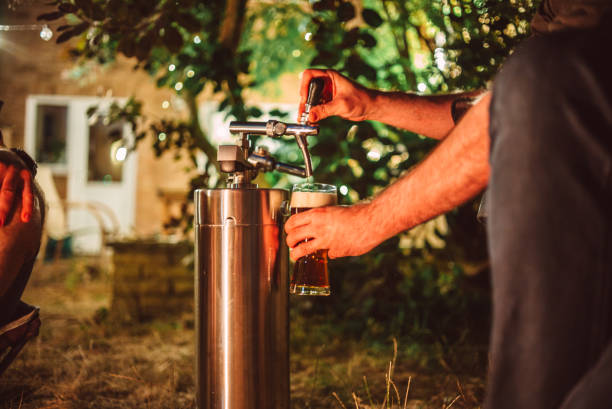
Step-by-step guide to assembling your draught system
Start by selecting a clean, stable area for your kegerator or refrigerated unit. Assemble the frame or cabinet according to the manufacturer’s instructions, ensuring all parts are secure. Place the keg inside, making sure it’s upright and properly seated.
Attach the sanitized coupler to the top of the keg by aligning it correctly and pushing down firmly until it locks. Connect the gas and beer lines to the respective ports on the coupler. Use food-grade tubing and secure all fittings with clamps to prevent leaks.
Double-check connections for tightness and ensure the system is free of contaminants. Label lines if using multiple kegs. This systematic setup ensures reliable performance and great-tasting beer.
Connecting the CO2 tank and regulating pressure
Secure the CO2 tank upright in the cabinet using a strap or bracket to prevent tipping. Attach the regulator to the tank valve by hand-tightening, then use a wrench for a snug fit—avoid over-tightening. Open the tank valve slowly to prevent regulator shock.
Set the output pressure between 10–12 psi for most ales and lagers, adjusting based on beer type and line length. Use a pressure gauge to monitor consistency. Ensure all gas line connections are leak-free by applying soapy water and checking for bubbles.
Proper CO2 regulation maintains carbonation levels and prevents over- or under-pouring. Recheck pressure weekly for optimal performance.
Installing the beer line and tap properly
Measure and cut beer-dispensing tubing to the recommended length—typically 3–5 feet for a balanced system. Attach one end to the coupler’s beer outlet and the other to the tap shank behind the faucet. Use barbed fittings and hose clamps to secure connections and prevent leaks.
Install the tap handle onto the faucet and mount it securely on the dispensing panel. Always purge air from the line by briefly opening the tap before serving. Use flexible, beer-resistant tubing (like vinyl or polyethylene) to avoid flavor contamination.
A properly installed tap ensures smooth pours with ideal foam control and preserves the beer’s intended taste and texture.
Cooling considerations for optimal beer temperature
Maintain beer at 38–40°F (3–4°C) for optimal taste and carbonation stability. Use a dedicated kegerator or converted refrigerator with a temperature controller for consistent cooling. Avoid temperature fluctuations, which can cause foaming and flat beer. Allow 24 hours for the keg to fully chill before tapping.
Insulate beer lines in warm environments to prevent heat gain. If using a tower cooler, ensure the fan and cold plate are functioning. Monitor temperature with a digital thermometer near the keg. Consistent cooling preserves freshness and ensures each pour replicates the authentic draught experience you want at home.
Best Kegs and Beer Options for Home Use
Choosing between full-size, half-barrel, and mini kegs
When setting up draught beer at home, selecting the right keg size is essential for balancing storage, consumption, and freshness. Full-size kegs (1/2 barrel) hold 15.5 gallons (about 124 pints) and are ideal for frequent entertainers or large households, but require substantial fridge space and a commercial-sized kegerator.
Half-barrel kegs are the same size as full-size kegs—clarification is key, as terminology can be confusing; often, people refer to smaller variants like quarter or sixth barrels. Mini kegs (1.32 gallons), such as 5-liter or 64-ounce models, are perfect for beginners, small spaces, and short-term use.
They’re portable, easy to store, and compatible with countertop dispensers. Prioritize keg size based on your drinking habits and equipment to ensure optimal beer quality and minimal waste.
Popular beer styles that work well on tap at home
Certain beer styles thrive on tap at home due to their stability, carbonation levels, and broad appeal. Lagers and pilsners are top choices because they’re crisp, clean, and maintain quality under consistent CO₂ pressure.
Pale ales and IPAs also perform well, especially when served fresh and cold, preserving their hoppy aroma and flavor. Stouts and porters offer rich, creamy textures that benefit from nitrogen infusion systems, delivering a smooth, pub-like pour.
Avoid delicate or sour beers unless consumed quickly, as prolonged keg storage can alter their complex profiles. Choose pasteurized beers when possible, as they resist spoilage better than unpasteurized options.
By selecting styles that are resilient and widely enjoyed, you ensure every pour is refreshing and true to character, enhancing your home draught experience.
Where to buy kegs locally and online
You can source kegs for draught beer at home through a mix of local and online retailers. Local beer distributors, liquor stores, and brewpubs often rent or sell full and half-barrel kegs, especially for popular domestic and craft brands. Many offer deposit-return systems and CO₂ cylinder rentals.
For convenience, online vendors like KegWorks, Atlantic Brewing Supply, and Midwest Supplies provide complete keg systems, including taps, regulators, and fresh kegs shipped nationwide. Some craft breweries also sell directly through their websites, often including seasonal or exclusive brews. Always verify shipping policies and freshness guarantees when ordering online.
Buying locally supports regional businesses and allows for faster pickup, reducing the risk of warm transport. Explore both options to find the best value, variety, and freshness for your home setup.
How to check keg freshness and expiration dates
Ensuring keg freshness is critical for great-tasting draught beer at home. Start by locating the expiration or ‘born-on’ date, typically printed on the keg’s lid, side, or via a QR code.
This date indicates when the beer was packaged—consume within 60 to 90 days for optimal flavor, especially for hop-forward styles like IPAs. For pasteurized kegs, shelf life may extend to 120 days. Inspect the keg for dents, rust, or leaks, which can compromise seal integrity.
Once tapped, keep the keg refrigerated and pressurized; warm storage accelerates oxidation and spoilage. If the beer tastes flat, sour, or off, it may be past its prime. Always ask for the freshest available keg at purchase and track its timeline from tap to finish to enjoy peak quality.
Maintaining Your Home Draught System
How often to clean beer lines and taps
To ensure fresh-tasting draught beer at home, clean your beer lines and taps every two to four weeks, depending on usage. Frequent use demands more regular cleaning to prevent buildup of yeast, bacteria, and beer stone, which can spoil flavor and clog lines.
For occasional users, cleaning after each keg change is sufficient. Regular maintenance not only preserves beer quality but also extends the life of your system. Use a food-grade cleaning solution designed for draught systems, and always follow manufacturer recommendations. Never skip rinsing thoroughly after cleaning to avoid chemical residue.
Setting a cleaning schedule and sticking to it ensures every pour is as good as the first.
Step-by-step line cleaning process
Begin by disconnecting the keg and relieving pressure from the system. Attach a cleaning pump to a bucket filled with circulating beer line cleaner at the recommended dilution. Connect the pump to the beer line and run the solution through all lines for 15–20 minutes to dissolve buildup.
Next, rinse thoroughly with cold water for at least 5 minutes to remove all traces of cleaner. Repeat for each line if not using a multi-line manifold. Finally, sanitize the tap handle and faucet with a food-safe sanitizer.
Reconnect the keg and run a test pour to confirm clarity and absence of off-flavors. This routine keeps your home draught system hygienic and reliable.
Preventing leaks and CO2 loss
Maintaining consistent CO2 pressure is key to smooth pours and carbonation stability. Check all connections—regulator, gas lines, and keg couplers—for tight, secure fittings weekly. Use a soapy water solution to inspect for bubbles indicating leaks. Replace worn O-rings and cracked hoses immediately.
Set regulator pressure according to beer type and temperature—usually 10–14 PSI for most ales and lagers. Avoid over-tightening connections, which can damage seals. Store CO2 tanks upright and in a cool, dry place. Monitor tank weight to anticipate refills.
A well-sealed system reduces waste, maintains beer quality, and prevents unexpected interruptions during service.
Storing kegs properly before and after tapping
Always store un-tapped kegs upright in a cool, dark place between 36–40°F (2–4°C) to preserve freshness and carbonation. Avoid temperature fluctuations that can cause foaming and spoilage. Once tapped, keep the keg connected to CO2 and refrigerated—even with a party pump, draft life shortens quickly without pressurized gas.
For long-term storage, ensure the keg remains sealed and pressurized to prevent oxidation. Never let a tapped keg go flat, as this introduces air and bacteria. Clean the coupler after use to prevent contamination. Proper storage extends beer quality, ensuring every glass tastes as intended straight from the brewery.
Troubleshooting Common Home Draught Problems
Fixing foamy or flat beer pours
Foamy or flat beer pours are often caused by incorrect line length, improper CO2 pressure, or temperature fluctuations. To fix foamy beer, first check that your beer lines are the correct length—too short a line increases pressure and causes excessive foam.
Use longer lines or adjust the regulator to maintain 10–12 PSI for most systems. Ensure your kegerator is set to 38–40°F (3–4°C), as warmer temperatures increase carbonation release. For flat beer, verify CO2 levels—low pressure leads to under-carbonation.
Inspect the gas system for leaks and ensure the keg is properly seated. Purge air from the lines before serving and clean lines regularly to prevent clogs that disrupt flow and foam consistency.
Diagnosing low pressure or no beer flow
If you’re experiencing low pressure or no beer flow, start by checking the CO2 tank level—an empty or nearly empty tank is a common cause. Ensure the regulator is set to the correct pressure, typically 10–12 PSI for home systems. Inspect the gas line for kinks, blockages, or disconnections.
Confirm the coupler is properly attached to the keg and that the pin is depressing the keg valve. A faulty check valve in the coupler can also stop flow—remove and clean or replace it. If beer still doesn’t flow, purge the system by briefly opening the pressure relief valve.
Test each component systematically to isolate the issue, and replace damaged parts promptly to restore consistent flow.
Dealing with inconsistent temperature issues
Inconsistent beer temperature leads to poor pour quality and off-flavors. Ensure your kegerator or cooling unit maintains a steady 38–40°F (3–4°C). Place the unit in a climate-controlled area, away from direct sunlight or heat sources. Check that the door seals tightly and the condenser coils are clean.
Use a separate, calibrated thermometer to verify internal temperature, as built-in gauges can be inaccurate. If temperature fluctuates, inspect the thermostat and cooling fan operation. For longer beer lines, consider adding insulation or using a glycol kit to prevent warm spots.
Consistent cooling preserves carbonation and ensures smooth, enjoyable pours every time.
Replacing worn seals and O-rings
Worn seals and O-rings cause CO2 leaks, pressure loss, and beer spoilage. Inspect all connections—especially on regulators, couplers, and keg lids—for signs of cracking, dryness, or deformation. To replace, shut off the CO2, release system pressure, and disassemble components carefully.
Lubricate new food-grade O-rings with non-toxic silicone grease before installation to ensure a tight, lasting seal. Reassemble and perform a soapy water leak test on all joints—bubbling indicates a leak. Replace seals annually or at the first sign of wear.
Keeping spare O-rings on hand allows for quick fixes, maintaining system integrity and ensuring your draught beer stays fresh, pressurized, and ready to serve.
Cost, Space, and Practical Tips for Home Use
Estimating the upfront and ongoing costs of a home system
Setting up a home draught beer system involves initial equipment costs and recurring expenses. A basic kegerator or draft tower setup ranges from $300 to $800, depending on size and features. Additional items like CO2 tanks, regulators, and taps add $100–$200.
Kegs themselves cost $50–$150 to purchase or deposit, with refills averaging $40–$80. Factor in ongoing costs like CO2 refills ($10–$15 monthly for regular use) and electricity for refrigeration. To save money, consider sharing keg deposits with friends or joining a keg-sharing program.
Buying local craft beer in bulk can reduce per-pint costs to under $2, making it competitive with bottled or canned alternatives over time.
Space-saving ideas for small kitchens or apartments
Even in tight spaces, you can enjoy draught beer at home with smart storage solutions. Opt for compact kegerators that fit under counters or in closets—some models are as small as 18 inches wide.
Wall-mounted draft towers paired with a remote cooler or refrigerator allow you to free up floor space while maintaining functionality. Consider single-keg systems or pony kegs (half the size of a full keg) to reduce footprint. Use vertical space by installing shelves above the unit for glassware or accessories.
For renters, portable beer dispensers with built-in cooling offer flexibility without permanent modifications. Maximize multi-use furniture, like a bar cart with a keg inside, to blend functionality with style in small living areas.
Tips for hosting parties with home draught beer
Hosting with home draught beer adds a professional touch and keeps guests refreshed efficiently. Chill glasses ahead of time and label taps clearly with beer names and styles to guide choices. Use a consistent pour technique—tilt the glass 45 degrees, pour down the side, then straighten for a proper head.
Have extra CO2 cartridges or a backup keg on hand to avoid mid-party interruptions. Offer a variety of beer styles to suit different tastes, and pair with simple snacks like pretzels or charcuterie. Assign a pour monitor to help guests and maintain system pressure.
Keep a towel and drip tray nearby for spills, ensuring a clean, enjoyable experience for everyone.
How to recycle or return empty kegs responsibly
Returning or recycling empty kegs is essential for sustainability and cost savings. Most breweries and suppliers operate a keg deposit system—simply return the empty keg to the retailer or distributor to reclaim your deposit, typically $30–$100.
Clean the keg with water and store it in a cool, dry place until return. Never dispose of metal kegs in regular trash; they are reusable and recyclable. Some companies offer pickup services or partner with local hubs for easy drop-off.
For DIY enthusiasts, repurpose cleaned kegs into grills or planters, but only after confirming they’re depressurized and safe. Supporting closed-loop keg programs reduces waste and encourages eco-friendly brewing practices across the industry.
Frequently Asked Questions
What is draught beer at home?
Draught beer at home refers to beer served from a keg or cask through a tap system rather than from bottles or cans. It offers a fresher taste and bar-quality pour in the comfort of your home.
How do I set up a draught beer system at home?
You’ll need a keg, a CO2 tank, a regulator, a beer line, a tap, and a cooling unit like a kegerator. Assemble the system by connecting the CO2 tank to the keg to pressurize it, then run the beer line from the keg to the tap for dispensing.
Can I dispense draught beer without a CO2 tank?
Yes, you can use a hand pump or beer engine which uses air pressure from a manual pump instead of CO2. However, this method doesn’t preserve the beer as long and works best for short-term use.
How long does draught beer last at home once tapped?
Pasteurized draught beer lasts about 90-120 days when properly stored and pressurized. Unpasteurized beer lasts 45-60 days, and its freshness depends on consistent temperature and sanitation.
What temperature should draught beer be stored at?
Draught beer should be stored at 38°F (3°C) for optimal taste and carbonation. Consistent cold temperatures prevent foaming and spoilage.
Can I serve different types of beer from a home draught system?
Yes, you can serve various beers by switching kegs or installing a multi-tap system with separate lines and temperature controls. Just be sure to clean lines thoroughly between different beer types to avoid flavor contamination.
Where can I buy kegs for home draught systems?
Kegs can be purchased from local breweries, beer distributors, or specialty homebrew shops. Some retailers also offer rental kegs or refillable options for popular beer brands.
Conclusion
Enjoying draught beer at home is easier and more rewarding than ever. With the right equipment—like a kegerator, CO2 tank, and quality taps—you can savor fresh, bar-style beer whenever you like. Proper storage and cleaning ensure every pour tastes perfect. Whether you’re a casual drinker or a craft beer enthusiast, bringing the pub experience home enhances your enjoyment. Start small, learn the process, and soon you’ll be pouring flawless pints with pride.
