
Ipa Beer Brewing Kit
Ready to brew your own bold, hoppy IPA at home? An IPA beer brewing kit is the perfect way to get started, whether you’re a beginner or looking to refine your craft. These all-in-one kits include everything you need—hops, malt, yeast, and clear instructions—to create a fresh, flavorful India Pale Ale right in your kitchen. We’ll walk you through the best kits available, what to look for, and how to brew like a pro, so you can enjoy a cold, custom-brewed IPA in no time.
What is an IPA Beer Brewing Kit?
Definition of an IPA beer brewing kit
An IPA beer brewing kit is a pre-packaged set of ingredients and instructions designed to help homebrewers create India Pale Ale (IPA) beer with minimal effort and expertise.
These kits simplify the brewing process by providing measured amounts of malt, hops, yeast, and sometimes specialty grains, tailored specifically for producing the bold, hop-forward flavor characteristic of IPAs.
Whether you’re a beginner or an experienced brewer, an IPA kit offers a consistent starting point to experiment with or perfect your craft. Most kits are designed for 5-gallon batches, making them ideal for sharing or storing.
The convenience of an IPA brewing kit lies in its all-in-one nature, eliminating the need to source ingredients separately. With clear directions and quality-controlled components, these kits ensure reproducible results while allowing room for personalization, such as dry hopping or adjusting bitterness levels.
Types of IPA kits available
IPA beer brewing kits come in several distinct varieties to match different tastes and brewing preferences. The most common types include American IPA, Double/Imperial IPA, New England IPA (NEIPA), and Session IPA. American IPA kits emphasize citrusy, piney hop profiles using varieties like Cascade or Centennial.
Double or Imperial IPA kits offer higher alcohol content and intense hop bitterness, ideal for bold flavor lovers. NEIPA kits focus on hazy appearance and juicy, tropical fruit notes, often using hops like Citra and Mosaic.
Session IPA kits provide a lower alcohol option without sacrificing hop character, perfect for extended drinking sessions. Kits also vary in complexity—extract kits are beginner-friendly, while all-grain kits cater to advanced brewers seeking full control.
Some kits even include dry-hop additions or yeast strains optimized for specific IPA styles, giving brewers the tools to explore the full spectrum of this popular beer category.
Key components included in most kits
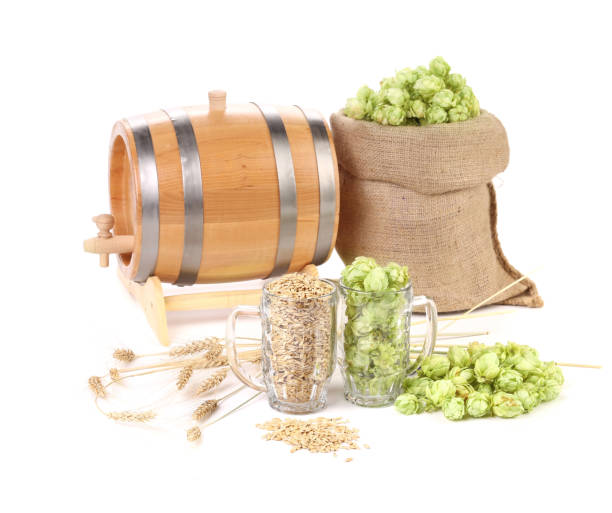
Most IPA beer brewing kits contain essential ingredients and materials needed to brew a full batch of beer successfully.
The core components typically include malt extract (liquid or dry), which forms the beer’s fermentable sugar base, and a selection of hop pellets chosen for their aroma, flavor, and bitterness to deliver the IPA’s signature punch.
A specialty yeast strain—often an American ale yeast—is included to ensure proper fermentation and flavor development. Many kits also provide steeping grains for added complexity and color. Additional items may include priming sugar for bottling, cleaning instructions, and step-by-step brewing guides.
While equipment like fermenters, airlocks, and bottles aren’t always included, some premium kits offer them. Sanitizers and thermometers may be bundled in beginner sets. These pre-measured, coordinated components eliminate guesswork and ensure consistency, making it easy to brew a high-quality IPA at home with confidence.
How to Choose the Best IPA Brewing Kit

Factors to consider when selecting a kit
When choosing an IPA beer brewing kit, focus on ingredient quality, hop variety, and alcohol content to ensure a bold, authentic flavor. Look for kits that include fresh, whole-cone or pellet hops like Citra, Mosaic, or Simcoe, as these contribute to the signature citrus and pine notes of IPAs.
Check whether the kit offers all-grain or extract brewing—extract kits are easier for beginners, while all-grain provides more control. Yeast strain is critical; choose kits with clean-fermenting or expressive ale yeasts suited to IPAs. Consider batch size (typically 5 gallons) and brewing time, ensuring it fits your schedule.
Also, verify that the kit includes clear instructions, equipment lists, and sanitation supplies. Reading customer reviews helps gauge consistency and taste. Finally, check for hop bursting or dry-hopping options to enhance aroma.
A well-rounded kit balances convenience with customization, letting you brew a crisp, hop-forward IPA with minimal hassle and maximum flavor.
Beginner vs. advanced kits
For newcomers, beginner IPA brewing kits simplify the process with pre-measured ingredients, step-by-step guides, and extract-based wort, reducing complexity. These kits typically include essential equipment like fermenters, airlocks, and bottling supplies, making them ideal for first-time brewers seeking reliable results.
In contrast, advanced kits cater to experienced brewers with all-grain recipes, requiring mashing and precise temperature control for nuanced flavor development. They often feature multiple hop additions, specialty grains, and options for dry hopping, allowing greater creativity. Advanced kits may not include equipment, assuming you already own a full setup.
Beginner kits prioritize ease and consistency, while advanced versions emphasize customization and authenticity. If you’re new, start with an extract kit to master fermentation and sanitation before progressing.
For seasoned brewers, advanced kits offer the flexibility to experiment with hop schedules and yeast strains, helping you craft competition-level IPAs with layered bitterness and aroma.
Top-rated IPA kit brands
Several brands consistently deliver high-quality IPA brewing kits trusted by homebrewers. Northern Brewer stands out for its user-friendly kits featuring popular hop profiles and clear instructions, including their renowned ‘Juicy Bits’ kit for hazy IPAs.
Austin Homebrew Supply offers robust recipes with premium ingredients and excellent customer support, ideal for both novices and experts. MoreBeer! is praised for its advanced all-grain options and freshness, often including experimental hops for modern IPA styles. Midwest Supplies provides reliable, budget-friendly kits with solid flavor profiles and comprehensive guides.
Brewferm and Coopers are excellent international options, especially for extract-based brewing with consistent results. When selecting a brand, prioritize those with transparent ingredient sourcing, detailed brewing timelines, and strong reviews for taste and yield. Top-rated kits often come with online brewing support or video tutorials, enhancing your success.
Choosing a reputable brand ensures a satisfying brewing experience and a delicious, well-balanced IPA every time.
Step-by-Step Guide to Brewing IPA with a Kit
Preparing your equipment and workspace
Start by thoroughly sanitizing all equipment to prevent contamination, which can ruin your IPA’s flavor. Wash your fermenter, airlock, spoon, siphon, and bottles with a no-rinse sanitizer. Set up a clean, well-ventilated workspace away from direct sunlight and drafts.
Prepare your IPA brewing kit by inspecting the included malt extract, hops, and yeast. Warm the malt extract pouch in hot water for easier pouring. Boil 2–3 gallons of filtered water in your brew kettle, then gently stir in the malt extract to avoid scorching.
Add any included hop packs at the specified times during the boil—typically bittering hops at the start and aroma hops near the end. Rapidly cool the wort using an ice bath or wort chiller to around 70°F (21°C) before transferring to the fermenter.
Temperature control during cooling is crucial to prevent off-flavors and ensure healthy fermentation.
Fermentation process explained
After cooling, transfer the wort to the sanitized fermenter and top up with cold water to reach 5 gallons. Check the temperature is between 66–72°F (19–22°C), which is ideal for most ale yeasts included in IPA kits.
Sprinkle or pitch the yeast gently, seal the fermenter, and fit the airlock filled with sanitizer or water. Store the fermenter in a dark place with stable temperature—avoid fluctuations which can stress the yeast. Fermentation typically begins within 12–24 hours, indicated by bubbling in the airlock.
Let it ferment undisturbed for 14–21 days; premature checking can introduce contaminants. Resist opening the lid—use a hydrometer after two weeks to confirm fermentation is complete (stable gravity readings over two days). Proper fermentation ensures a clean, hop-forward IPA with balanced alcohol and flavor development.
Bottling and carbonation steps
Once fermentation is complete, prepare for bottling by sanitizing bottles, caps, tubing, and siphon. Boil 3/4 cup of corn sugar (priming sugar) in 2 cups of water, then cool and add it to the bottling bucket to ensure consistent carbonation.
Gently siphon the beer from the fermenter, avoiding the sediment at the bottom. Fill each bottle, leaving 1 inch of headspace, then cap securely. Store bottles upright at room temperature (70–75°F) away from light for 2–3 weeks to allow natural carbonation. Do not refrigerate during this time.
After two weeks, chill one bottle and open it carefully to test carbonation. If properly carbonated, move all bottles to the fridge before serving. Cold storage improves clarity and flavor stability. Enjoy your homemade IPA within 3 months for best taste.
IPA Varieties You Can Brew with a Kit
American IPA styles
Brewing American IPA styles with a kit is an excellent way to explore bold hop profiles and balanced bitterness at home. These kits typically include pre-measured malts, hops, and yeast tailored to classic American IPA characteristics—think citrusy, piney, and floral notes from Cascade, Centennial, or Simcoe hops.
The malt backbone is usually light to medium, allowing hops to shine without excessive sweetness. Most kits are designed for beginners but yield professional-quality results with minimal equipment and time. Follow the included instructions carefully, maintain proper fermentation temperatures, and consider dry hopping for enhanced aroma.
With consistent results and easy customization, American IPA kits offer a reliable foundation. You can experiment by adding extra hops or adjusting fermentation for unique twists, making them ideal for both new and experienced homebrewers seeking approachable, hop-forward beers.
West Coast vs. East Coast IPA
Understanding the difference between West Coast and East Coast IPAs helps you choose the right brewing kit for your taste. West Coast IPAs are bold, bitter, and highly attenuated, with prominent pine and citrus notes from aggressive dry hopping and clean yeast strains.
Kits for this style emphasize crisp finishes and high carbonation. In contrast, East Coast (or New England) IPAs are hazy, juicy, and smooth, featuring lower bitterness and tropical fruit aromas from yeast and late-hop additions. These kits often include specialty malts like oats or wheat to enhance mouthfeel and cloudiness.
Fermentation temperature control is critical for East Coast clarity and flavor. Both styles are widely available in all-in-one kits, making it easy to replicate regional favorites at home. Choose based on your preference: clean and bitter (West Coast) or soft and fruity (East Coast).
Imperial and hazy IPA options
For those craving bigger flavor and higher alcohol, Imperial and hazy IPA brewing kits deliver intense, modern craft experiences. Imperial IPA (or Double IPA) kits contain extra fermentable sugars and generous hop loads to achieve ABVs of 7–10% with layered bitterness and complex aromatics.
These kits often recommend step mashing or extended boil times for optimal extraction. On the other hand, hazy IPA kits focus on aroma and mouthfeel, using oats, wheat, and low-flocculating yeast to create a cloudy, smooth beer bursting with mango, pineapple, and citrus.
They emphasize late and whirlpool hopping instead of early boil additions to minimize bitterness. Both styles benefit from cold crashing and careful packaging to preserve freshness. These kits are perfect for brewers seeking bold, contemporary profiles with the convenience of pre-formulated ingredients and clear instructions.
Essential Equipment Beyond the Kit
Must-have brewing tools
Brewing IPA beer successfully with a kit requires several essential tools beyond the basic ingredients. A large stainless steel or enamel pot (at least 5 gallons) is crucial for boiling wort efficiently.
You’ll also need a long-handled spoon made of heat-resistant material like stainless steel or nylon to stir without scratching equipment. A fine-mesh hop bag or strainer helps manage hop debris, especially important in hop-heavy IPAs. A bottling or auto-siphon with tubing ensures clean transfer of beer without oxidation.
Don’t forget a hydrometer or refractometer to measure original and final gravity, which confirms fermentation progress and alcohol content. A bottle capper and quality caps are vital if bottling, while kegging enthusiasts will need a CO2 tank and regulator.
These tools ensure precision, cleanliness, and consistency—key to crafting a bold, balanced IPA that showcases hop aroma and bitterness without flaws.
Sanitization supplies
Sanitation is non-negotiable in homebrewing, especially for IPAs where off-flavors can easily overpower delicate hop profiles. You must use a no-rinse sanitizer like Star San or iodophor to eliminate bacteria and wild yeast from all contact surfaces.
Every piece of equipment—fermenters, airlocks, spoons, siphons, and bottles—must be thoroughly sanitized before use. Prepare a dedicated spray bottle or soaking container with diluted sanitizer for quick, effective coverage. Remember, even a small lapse can introduce contaminants that produce sour or medicinal off-flavors.
Always sanitize immediately before use, not hours in advance, to maintain effectiveness. Reusable items should be cleaned first with PBW or OxiClean to remove organic residue, then sanitized. This two-step process ensures a microbe-free environment where your IPA’s hops and malt can shine.
Proper sanitation is the foundation of consistent, high-quality beer every time you brew.
Fermentation vessels and thermometers
Choosing the right fermentation vessel is critical for IPA success. A food-grade plastic bucket or glass carboy (6.5-gallon capacity) provides enough headspace for foamy fermentation. For better oxygen barrier and clarity, many brewers prefer glass or stainless steel conical fermenters.
Always pair your vessel with an airlock and stopper to allow CO2 to escape while keeping contaminants out. Temperature control is equally vital—ale yeast for IPAs performs best between 64–70°F (18–21°C). Use a digital thermometer with a probe or adhesive strip to monitor fermenter temperature accurately.
For greater precision, consider a fermentation temperature controller or swamp cooler to maintain consistency, especially in warm environments. Fluctuating temperatures can produce unwanted esters or stall fermentation.
Stable, controlled fermentation ensures your IPA develops the bright citrus, pine, or tropical notes characteristic of the style, resulting in a clean, hop-forward finish.
Common Mistakes When Using IPA Brewing Kits
Incorrect fermentation temperatures
Maintaining proper fermentation temperatures is critical when using an IPA brewing kit, as IPAs are sensitive to temperature fluctuations. Fermenting too hot can produce off-flavors like fusel alcohols, which taste harsh and solvent-like, while fermenting too cold may stall fermentation or leave unwanted sweetness.
The ideal range for most ale yeasts used in IPA kits is between 64–72°F (18–22°C). Use a fermentation temperature controller or swamp cooler to stabilize the environment, especially in fluctuating room conditions. Avoid placing the fermenter near heat sources or in direct sunlight.
Monitor temperatures daily with a reliable adhesive thermometer, and allow for a slight temperature rise during peak fermentation. Consistent temperature control ensures clean, balanced hop expression and alcohol development, leading to a crisp, aromatic IPA that showcases the intended citrus, pine, or floral notes without unwanted fermentation byproducts.
Poor sanitation practices
One of the most common and detrimental mistakes when using an IPA brewing kit is inadequate sanitation. Even tiny amounts of bacteria or wild yeast introduced through dirty equipment can spoil your entire batch, resulting in sour, funky, or medicinal off-flavors.
Everything that touches the wort after cooling must be sanitized—including fermenters, airlocks, siphons, bottles, and spoons. Use a no-rinse sanitizer like Star San or iodophor, and ensure all surfaces are fully coated and given proper contact time.
Don’t forget often-overlooked items like the inside of bottle caps or the lid of your fermenter. Rinse only with boiled or sanitized water if required. Establish a routine: clean immediately after use and sanitize right before use.
Taking sanitation seriously protects your hard work and investment, ensuring your IPA tastes fresh, hoppy, and true to style without contamination risks that could ruin weeks of brewing effort.
Over-carbonation issues
Over-carbonation is a frequent problem when bottling IPA beer from a brewing kit, often leading to gushers or even bottle bombs. This typically happens when excess priming sugar is added or when the beer is bottled before fermentation is fully complete.
Always use a measured amount of priming sugar—typically 3/4 cup of corn sugar for a 5-gallon batch—and dissolve it in boiled water to ensure even distribution. Confirm fermentation is finished by taking two consecutive gravity readings 24 hours apart that show no change.
Packaging too early traps residual sugars, causing continued fermentation in the bottle and excessive CO2. Store bottles at room temperature for carbonation, but avoid warm areas above 80°F. After two weeks, chill one bottle and test it; if over-carbonated, refrigerate the rest immediately to slow fermentation.
Precision prevents dangerous pressure buildup and delivers a smooth, properly fizzy IPA.
Tips for Perfecting Your Kit-Brewed IPA
Adjusting bitterness and hop flavor
To fine-tune the bitterness and hop flavor in your kit-brewed IPA, consider modifying your hop addition timing during the boil.
Most IPA kits include a base hop charge, but you can enhance aroma and complexity by adding flameout or whirlpool hops—aroma varieties like Citra, Mosaic, or Simcoe—after turning off the heat and letting them steep for 15–20 minutes.
For increased perceived bitterness without harshness, incorporate a late boil addition at 10–15 minutes remaining. Dry hopping is essential: add 1–2 ounces of hops directly to the fermenter for 3–5 days during active fermentation to extract vibrant, fresh aromatics. Avoid over-dry-hopping, which can introduce grassy notes.
Use a hop schedule calculator to balance IBUs and ensure your IPA hits the desired flavor profile. Always sanitize hop additions thoroughly to prevent contamination while maximizing hop expression.
Improving clarity and color
Achieving bright clarity and consistent color in your kit-brewed IPA starts with temperature control and proper technique. Cool your wort rapidly using an immersion or counterflow chiller to encourage cold break formation, which helps proteins clump and settle out.
Use a fining agent like Irish moss during the last 15 minutes of the boil or gelatin in the fermenter to assist in dropping haze-causing particles. While many IPAs are intentionally hazy, especially New England styles, ensure clarity aligns with your target style.
Avoid excessive grain contact if steeping specialty malts—over-steeping or high temperatures can extract tannins and darken the beer. Filter your water if it’s high in minerals, as water chemistry impacts both color and mouthfeel. Finally, allow adequate cold conditioning post-fermentation to let yeast and particles settle naturally before packaging.
Aging and serving recommendations
For the best flavor, follow precise aging and serving practices with your kit-brewed IPA. Unlike lagers or stouts, IPAs are best enjoyed fresh—ideally within 4–6 weeks of packaging—since hop aroma degrades over time.
Store bottles or kegs at cold temperatures (34–40°F) away from light to preserve hop character and prevent skunking. If dry hopping, package promptly after completion to lock in aromatic freshness. Serve your IPA slightly colder than room temperature—around 45–50°F—to balance bitterness and highlight fruity hop notes.
Use a clean, tulip-shaped glass to concentrate aromas. For kegged beer, maintain proper CO2 pressure (10–12 PSI) to achieve ideal carbonation without over-carbonating. Avoid prolonged aging, as oxidation will mute hop flavors and introduce papery off-notes.
Frequently Asked Questions
What is an IPA beer brewing kit?
An IPA beer brewing kit is a pre-packaged set of ingredients and instructions designed specifically for brewing India Pale Ale at home. It typically includes malt extract, hops, yeast, and sometimes specialty grains tailored to achieve the bold, hoppy flavor characteristic of IPAs.
What equipment do I need besides the IPA brewing kit?
Beyond the kit, you’ll need basic homebrewing equipment like a brewing kettle, fermenter with airlock, sanitizer, siphon, bottles, and bottle caps. A hydrometer and thermometer are also recommended for monitoring fermentation and alcohol content.
How long does it take to brew IPA beer with a kit?
Most IPA brewing kits take about 3 to 4 weeks from brew day to bottling, including fermentation and dry hopping. After bottling, allowing the beer to condition for 1–2 weeks will improve flavor and carbonation.
Can beginners use IPA beer brewing kits?
Yes, many IPA brewing kits are designed for beginners and come with clear step-by-step instructions. They offer a great way to learn the basics of homebrewing while producing a popular and flavorful beer style.
What makes IPA kits different from other beer kits?
IPA kits emphasize high hop content and bold bitterness, often including multiple hop additions for aroma and flavor. They typically use specialty malts to balance the intense hop profile unique to the India Pale Ale style.
Do IPA brewing kits include dry hopping instructions?
Most modern IPA kits include dry hopping instructions to enhance aroma, usually involving adding hops during the last few days of fermentation. Always follow the kit’s specific guidance for best results.
Where can I buy a reliable IPA beer brewing kit?
Reputable homebrew supply stores, both online and local, carry IPA brewing kits from trusted brands like Northern Brewer, Brooklyn Brew Shop, and MoreBeer. Look for kits with customer reviews and clear ingredient lists.
Conclusion
Brewing IPA at home with an IPA beer brewing kit is a rewarding and accessible hobby for both beginners and experienced brewers. These kits simplify the process, providing all the essentials needed to craft bold, hoppy flavors. With quality ingredients and clear instructions, you can create professional-tasting IPAs in your kitchen. Embrace the creativity and satisfaction of home brewing—start your journey today and enjoy the fresh, vibrant taste of your very own handmade IPA.