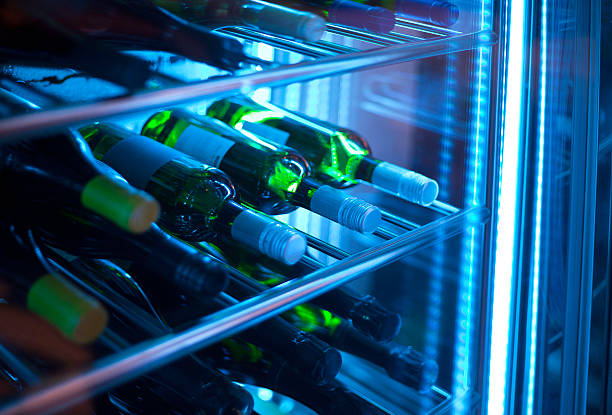
Proper Temp For Wine Fridge
Wondering about the proper temp for wine fridge storage? You’re not alone—getting the temperature right is key to preserving your wine’s flavor and aroma. Whether you’re storing reds, whites, or sparkling wines, the ideal range can vary. In this guide, we’ll break down the perfect wine fridge temperatures for each type, so your bottles stay in peak condition. No guesswork, just clear, expert-backed tips to keep your collection tasting its best.
What Temperature Should a Wine Fridge Be Set At?
Ideal Temperature Range for Wine Storage
The ideal temperature range for a wine fridge is between 50°F and 59°F (10°C to 15°C), which provides a balanced environment for both short-term chilling and long-term aging. Stability is key—frequent temperature fluctuations can damage wine by accelerating aging or causing corks to expand and contract, potentially letting in air.
For most mixed collections, setting your wine fridge to 55°F (13°C) is widely recommended as a universal sweet spot. This temperature preserves aromas, maintains proper acidity, and supports slow, graceful aging. Avoid setting your unit below 45°F, as it may dull flavors, or above 65°F, which risks spoilage.
Use a built-in thermometer to verify accuracy, since factory settings can vary. Keeping your wine at a consistent, moderate temperature ensures that every bottle—from bold reds to crisp whites—is stored under optimal conditions for peak enjoyment when opened.
How Different Wines Need Different Temperatures
Different wine types perform best at specific serving and storage temperatures, even within the same fridge. Full-bodied reds like Cabernet Sauvignon or Syrah age best around 55°F to 65°F (13°C to 18°C), preserving tannin structure and complex flavors.
Lighter reds, such as Pinot Noir, benefit from slightly cooler storage near 55°F to retain freshness. White wines, including Chardonnay and Sauvignon Blanc, should be stored between 45°F and 50°F (7°C to 10°C) to maintain crisp acidity and vibrant aromas.
Sparkling wines and Champagne thrive at 40°F to 45°F (4°C to 7°C), ensuring effervescence and balance. If your wine fridge has dual-zone cooling, use separate compartments to store reds and whites at their ideal ranges.
For single-zone units, aim for 55°F and adjust serving temperature by briefly chilling or warming bottles before opening. Matching storage to wine type enhances quality and drinking pleasure.
Why Consistent Temperature Matters
Maintaining a consistent temperature in your wine fridge is just as important as setting the right one. Frequent swings—caused by poor insulation, frequent door opening, or placement near heat sources—can damage wine over time by disrupting chemical stability.
When temperatures rise, wine expands, potentially pushing corks out slightly and allowing oxygen to enter, leading to oxidation. When it cools again, the wine contracts, creating a vacuum that pulls in more air. This cycle degrades flavor, dulls aromas, and can spoil the bottle prematurely.
Fluctuations also accelerate aging, making wines taste flat or overly mature before their time. A stable environment preserves the integrity of both aging and ready-to-drink bottles.
To ensure consistency, place your wine fridge in a cool, shaded area away from ovens or sunlight, minimize door openings, and choose a unit with precise temperature control and good insulation. Consistency equals quality in wine storage.
Best Temperature Settings for Red Wine

Recommended Range for Storing Red Wines
The ideal storage temperature for most red wines is between 55°F and 65°F (13°C–18°C). Keeping reds in this range helps preserve their flavor, aroma, and aging potential. Temperatures above 68°F can accelerate aging and degrade wine quality, while temperatures below 50°F may slow chemical processes too much, hindering proper maturation.
A wine fridge set to 57°F–60°F offers a stable, consistent environment that protects corks from drying out and prevents oxidation. Avoid frequent temperature fluctuations, as they can cause corks to expand and contract, letting air seep in. Consistency is just as important as the number on the thermostat.
For long-term storage, aim for the lower end of the range, especially if aging wines for years. This balanced temperature zone ensures tannins soften gradually and complex flavors develop over time. Always store bottles horizontally to keep corks moist and maintain an airtight seal.
Which Reds Need Slightly Cooler Storage
Some red wines benefit from slightly cooler storage temperatures, especially lighter-bodied varieties like Pinot Noir, Gamay, and young Cru Beaujolais. These wines thrive when stored around 55°F–60°F (13°C–16°C) to preserve their delicate fruit profiles and vibrant acidity. Storing them too warm can dull their freshness and amplify alcohol perception.
Similarly, red blends with high acidity and lower tannins may also perform better at the cooler end of the spectrum. A wine fridge set to 55°F–57°F provides optimal conditions for these sensitive reds. This temperature helps maintain balance and aromatic precision over time.
Avoid storing these wines above 62°F, as heat can degrade their nuanced characteristics. If your wine fridge allows dual zones, use the cooler section for these varieties. This targeted approach ensures each red type ages properly and reaches its full potential when opened.
How Serving Temperature Differs from Storage
It’s crucial to understand that serving temperature is different from storage temperature. While red wines should be stored consistently at 55°F–65°F, they often taste best when slightly warmed before serving. Most full-bodied reds like Cabernet Sauvignon or Syrah shine at 60°F–65°F, allowing their aromas and tannin structure to express fully.
Pulling a red directly from a 55°F fridge may result in muted flavors—let it sit 15–20 minutes at room temperature before serving. Lighter reds like Pinot Noir can be served straight from a cooler fridge, as their elegance is best showcased around 55°F–60°F.
Avoid serving reds too warm—above 68°F—and they may taste overly alcoholic and flat. Adjusting serving temp enhances enjoyment without compromising long-term storage. Think of storage as preservation and serving as performance—each requires a tailored approach.
Optimal Temperature for White Wine
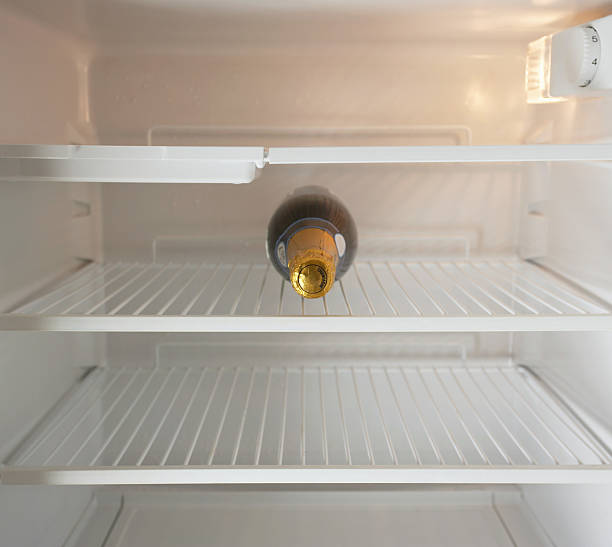
Ideal Cooling Range for White Wines
The ideal temperature for storing and serving most white wines falls between 45°F and 50°F (7°C to 10°C). This range preserves the wine’s aromatic complexity while maintaining a crisp, refreshing balance of acidity and fruit.
Setting your wine fridge within this zone ensures that bottles like Sauvignon Blanc, Pinot Grigio, and unoaked Chardonnay are ready to serve straight from storage. Temperatures above 50°F risk dulling freshness and accelerating aging, while below 45°F, the aromas and flavors can become muted.
A properly calibrated wine fridge maintains consistent temperatures, avoiding fluctuations that harm wine quality. For best results, allow the fridge to stabilize for 24 hours after loading new bottles. Use a standalone thermometer to verify accuracy, as built-in displays can be unreliable.
This precision cooling enhances every glass, delivering optimal taste and longevity for your white wine collection.
Chilling Light vs Full-Bodied Whites
Not all white wines thrive at the same temperature—light-bodied and aromatic whites like Riesling, Albariño, and Vinho Verde are best served slightly colder, around 45°F to 48°F (7°C to 9°C), to highlight their bright acidity and floral notes.
In contrast, full-bodied whites such as oaked Chardonnay or White Rhône blends benefit from a slightly warmer 50°F to 55°F (10°C to 13°C), allowing their rich textures and complex flavors—like vanilla, butter, and ripe stone fruit—to express fully.
If your wine fridge allows dual-zone cooling, use the lower compartment for lighter wines and the upper for fuller styles. If not, store all whites at 48°F and let fuller-bodied bottles warm slightly in the glass for 10–15 minutes before serving.
This targeted temperature approach maximizes enjoyment and showcases each wine’s unique character.
Avoiding Over-Chilling Your Whites
Over-chilling white wine is a common mistake that suppresses aroma and flattens flavor. When served too cold—below 43°F (6°C)—even the most vibrant Sauvignon Blanc can taste dull and one-dimensional. The cold numbs your palate, reducing sensitivity to subtle nuances and making acidity seem harsh.
To avoid this, never store whites in a standard kitchen refrigerator long-term, as temperatures hover near 35°F (2°C), which is too cold for proper wine preservation. Instead, use a dedicated wine fridge set to the recommended 45°F–55°F range.
If a bottle has been over-chilled, simply let it sit at room temperature for 10–15 minutes before serving. Swirling the wine in the glass also helps release its bouquet. Proper temperature recovery restores balance and brings out the wine’s true expression, ensuring every sip is as intended by the winemaker.
Temperature Guidelines for Sparkling and Rosé Wines
Best Fridge Settings for Champagne and Prosecco
To preserve the freshness and effervescence of Champagne and Prosecco, set your wine fridge between 40°F and 45°F (4°C to 7°C). This temperature range slows down chemical reactions that can degrade delicate aromas and helps maintain optimal carbonation levels.
Avoid storing these sparkling wines at temperatures below 40°F, as excessively cold conditions can dull flavors and make aromas less expressive.
For long-term aging of vintage Champagne, a slightly more stable environment around 50°F (10°C) with consistent humidity is ideal, but most consumers benefit from the cooler range for short to medium-term storage. Use a dual-zone wine fridge if possible, allowing you to keep sparkling wines separate from reds.
Always store bottles horizontally to keep corks moist, especially for wines sealed with traditional cork. Consistent temperature and minimal vibration are key—fluctuations can disturb sediment and pressure inside the bottle, compromising quality.
Storing Rosé Wine Without Losing Flavor
Rosé wine thrives when stored at a consistent 45°F to 50°F (7°C to 10°C) in your wine fridge, preserving its bright acidity and vibrant fruit notes. Temperatures above this range accelerate oxidation, leading to flavor degradation and color browning, while colder settings may mute its aromatic profile.
Store bottles horizontally if sealed with cork to prevent the seal from drying out, though most rosés are meant for early consumption and often use screw caps. Limit exposure to light and vibration—both can negatively impact delicate rosé compounds.
Avoid placing rosé near the fridge door where temperatures fluctuate with frequent opening. For best results, keep rosé in a dark, stable zone of your refrigerator dedicated to white and sparkling wines. If your wine fridge has a single temperature setting, aim for 47°F as a balanced midpoint.
This ensures your rosé stays fresh, crisp, and ready to serve chilled without compromising long-term integrity.
Serving Sparkling Wines at Their Best
For peak enjoyment, serve sparkling wines like Champagne, Prosecco, and Cava well-chilled between 43°F and 48°F (6°C to 9°C). This range enhances crisp acidity, preserves bubbles, and balances sweetness without numbing the palate.
Remove the bottle from the wine fridge 10–15 minutes before serving to allow subtle aromas to emerge—serving too cold masks delicate notes of citrus, apple, or brioche. Use a chilled flute or tulip glass to maintain temperature and showcase effervescence.
Avoid over-chilling in a freezer, as temperatures below 35°F can freeze the wine or cause the bottle to explode under pressure. Always open gently with a controlled twist to preserve carbonation.
If your wine fridge is set to a general white wine temperature (around 50°F), transfer sparkling bottles to an ice bucket for 20–30 minutes before serving to reach ideal serving temp. This small step dramatically improves taste and texture.
How to Set Up a Dual-Zone Wine Fridge
Setting the Upper and Lower Zones Correctly
To ensure optimal wine preservation, set the upper zone of your dual-zone wine fridge between 45°F and 50°F (7°C–10°C), ideal for white, rosé, and sparkling wines that benefit from cooler serving temperatures.
The lower zone should be maintained at 55°F to 65°F (13°C–18°C), which is perfect for red wines as it preserves their complex aromas and prevents premature aging. Use the fridge’s digital controls to adjust each compartment independently, and allow 24 hours after setting for temperatures to stabilize before adding bottles.
Avoid frequent door openings to maintain consistent internal conditions. Many models feature temperature sensors and alarms—enable these to monitor fluctuations. Regular calibration ensures long-term accuracy, especially in environments with seasonal temperature shifts.
Proper zone settings not only protect your investment but also guarantee every bottle is served at its peak flavor and aroma.
Storing Reds and Whites Together Properly
A dual-zone wine fridge is designed to store reds and whites simultaneously without compromising quality. Place white, rosé, and sparkling wines in the cooler upper compartment (45°F–50°F), where lower temperatures preserve acidity and freshness.
Store red wines like Cabernet Sauvignon or Merlot in the warmer lower zone (55°F–65°F) to maintain their bouquet and prevent cork drying. Always store bottles horizontally to keep corks moist and airtight. Avoid overcrowding, as it restricts airflow and creates microclimates.
Use clear labels or dividers to organize by type and region. If serving both red and white, remove reds 15–30 minutes before serving to reach ideal serving temperature (60°F–65°F).
This method allows long-term aging and short-term chilling in one appliance, making it ideal for enthusiasts who enjoy variety without sacrificing wine integrity.
Maximizing Space Without Temperature Conflicts
Efficient organization is key to maximizing storage while maintaining temperature integrity in a dual-zone wine fridge. Use stackable, adjustable shelves to customize spacing based on bottle size—taller shelves for Burgundy bottles, compact rows for standard Bordeaux. Group wines by type and ideal temperature to minimize cross-zone movement.
Reserve the upper zone for frequently enjoyed whites and sparklings, and the lower for aging reds. Install clear bin inserts for smaller bottles or half-bottles to prevent rolling and wasted gaps. Avoid placing bottles directly against cooling vents, which can cause uneven chilling.
Rotate stock using the first-in, first-out method to prevent forgotten bottles. With smart layout choices, even compact dual-zone fridges can store 30+ bottles without sacrificing airflow or temperature stability, ensuring every wine matures or chills exactly as intended.
Common Wine Fridge Temperature Mistakes
Setting the Fridge Too Cold
One of the most common wine fridge temperature mistakes is setting the unit too cold, especially for red wines. While it might seem logical to store all wines at very low temperatures, chilling reds below 55°F (13°C) can suppress their aromas and flavors, making them taste dull and overly tannic.
White wines and sparkling varieties do prefer cooler temps—ideally between 45°F and 50°F (7–10°C)—but even they can suffer if frozen or stored near the freezing point. Consistently over-chilling can also cause corks to contract, leading to oxidation over time.
To avoid this, set your wine fridge based on the type of wine you’re storing and use dual-zone models if possible. Always reference varietal-specific storage guidelines and avoid defaulting to standard refrigerator temperatures, which are too cold for long-term wine preservation. Regular calibration ensures your settings match actual internal conditions.
Frequent Temperature Fluctuations
Maintaining a stable temperature is more important than hitting an exact number. Frequent fluctuations—caused by poor placement near heat sources, overloading the unit, or constantly opening the door—can damage wine quality over time.
When temperatures rise and fall, corks expand and contract, potentially allowing air to seep in and oxidize the wine. Thermal stress also accelerates aging, leading to flat, cooked flavors. The ideal wine storage environment stays within ±2°F (±1°C) of your target temp.
To minimize swings, place your wine fridge in a climate-controlled room, avoid garages or sun-exposed areas, and let bottles settle after transport before storing. Choose a unit with high-quality insulation and a reliable compressor. Digital thermostats with alarms can alert you to sudden changes.
Consistency protects your investment and ensures each bottle ages gracefully to its full potential.
Ignoring Humidity and Airflow Impact
Temperature isn’t the only factor in proper wine storage—humidity and airflow play critical roles. Low humidity (below 50%) can dry out corks, causing them to shrink and let air into the bottle, leading to oxidation and spoilage. Conversely, excessive moisture encourages mold and label damage.
The ideal humidity range is 50–70%. Many wine fridges manage this naturally, but in dry environments, adding a humidifying tray helps. Poor airflow from overcrowding or blocked vents creates microclimates within the unit, where some bottles are too warm or too cold.
Arrange bottles with space between them and avoid stacking. Also, ensure the fridge has proper ventilation around the unit to help the compressor work efficiently. Ignoring these elements undermines even the most precise temperature settings, so balance temp, humidity, and airflow for optimal aging conditions.
Tips for Maintaining the Right Wine Fridge Conditions
Checking and Adjusting Temp Regularly
To maintain the proper temp for wine fridge storage, it’s essential to check and adjust the temperature settings regularly. Fluctuations can occur due to seasonal changes, power variations, or frequent door openings, all of which can compromise wine quality.
Set your wine fridge between 45°F and 65°F, depending on the type of wine—whites on the cooler end and reds slightly warmer. Use the built-in controls to make small adjustments and allow 24 hours for the temperature to stabilize before rechecking.
Avoid drastic changes, as rapid shifts can cause corks to expand or contract, potentially letting in air and spoiling the wine. Check settings at least once a week, especially during extreme weather. Consistent monitoring ensures optimal aging conditions and helps preserve the wine’s flavor, aroma, and complexity over time.
This routine maintenance is a simple yet crucial step in protecting your collection.
Cleaning and Ventilation Best Practices
Proper cleaning and ventilation are vital to maintaining the ideal environment inside your wine fridge. Dust and debris can accumulate on condenser coils and vents, forcing the unit to work harder and potentially leading to temperature inconsistencies.
Clean the interior every three to six months using a mild solution of water and baking soda—avoid harsh chemicals that could leave odors. Wipe shelves and walls gently to prevent mold and residue buildup.
Ensure the door seal is free of grime and closing tightly to maintain a consistent internal climate. Leave adequate space around the unit—typically 2–3 inches at the back and top—to allow proper airflow and heat dissipation. Poor ventilation can cause overheating and reduce cooling efficiency.
Additionally, avoid placing the wine fridge near heat sources like ovens or direct sunlight. These practices help sustain the proper temp for wine fridge performance and extend the appliance’s lifespan while protecting your wines.
Using a Separate Thermometer for Accuracy
Even with a built-in thermostat, relying solely on your wine fridge’s displayed temperature can be misleading due to calibration errors or sensor placement. Use a standalone, high-quality thermometer placed in the center of the rack for a more accurate reading.
This helps confirm that the internal environment matches the ideal proper temp for wine fridge storage—typically 55°F (13°C) as a balanced midpoint for both red and white wines. Digital thermometers with humidity sensors are especially useful for monitoring overall conditions.
Check the thermometer regularly, especially after adjusting settings or adding new bottles. For dual-zone fridges, place a thermometer in each zone to verify independent temperature control. Accurate readings allow you to make informed adjustments, ensuring your wines age gracefully.
This small investment in precision helps prevent spoilage and maintains the optimal flavor, aroma, and longevity of your collection.
Frequently Asked Questions
What is the proper temperature for a wine fridge?
The proper temperature for a wine fridge typically ranges between 45°F and 65°F (7°C to 18°C), depending on the type of wine. White, rosé, and sparkling wines are best stored at the cooler end of the range (45°F–50°F), while red wines should be kept slightly warmer (55°F–65°F).
Can I store both red and white wine in the same wine fridge?
Yes, you can store both types if your wine fridge has dual-zone temperature control, which allows you to set different temperatures for separate compartments. Without dual zones, aim for a middle ground around 55°F, though this may not be ideal for long-term storage of whites.
What happens if my wine fridge is too cold?
If the wine fridge is too cold, below 45°F consistently, it can slow down the aging process excessively and potentially damage the cork over time, leading to oxidation. Extremely low temperatures may also cause wine to freeze and expand, risking leakage or bottle breakage.
What happens if my wine fridge is too warm?
Temperatures above 68°F can accelerate the aging process, causing wine to degrade faster and lose its freshness, balance, and aroma. Consistent heat exposure may also lead to ‘cooked’ wine, which has flat or stewed flavors.
Should I adjust the wine fridge temperature based on storage duration?
Yes, for long-term aging, maintain a consistent temperature around 55°F with minimal fluctuations. For short-term storage or serving, you can adjust the temperature to chill whites or cool reds closer to their ideal serving temperatures.
Is humidity important in a wine fridge?
Yes, ideal humidity levels in a wine fridge should be between 50% and 70% to keep corks from drying out, which helps prevent oxidation. Too low humidity can shrink corks, while too high may promote mold on labels.
How do I check if my wine fridge is at the right temperature?
Use a standalone thermometer inside the fridge to verify the actual temperature, as built-in controls can be inaccurate. Place the thermometer near the center of the unit and check it after 24 hours for a reliable reading.
Conclusion
Maintaining the proper temperature in your wine fridge is essential for preserving flavor, aroma, and aging potential. Generally, white wines thrive between 45–50°F, while reds are best stored at 55–65°F. Consistency matters more than perfection—avoid fluctuations to protect your collection. With the right settings, you’ll enhance every bottle’s quality. Start optimizing your wine fridge today and enjoy each sip at its best.