Ideal Wine Cooler Temp
Wondering about the ideal wine cooler temp? You’re not alone—getting the temperature just right can make or break your wine experience. Whether you’re chilling a crisp white, a bold red, or a celebratory sparkling, each type thrives at a specific range. In this guide, we’ll cut through the confusion and give you the perfect serving temps for every wine, plus tips to fine-tune your cooler settings. No guesswork, just perfectly chilled wine every time. Let’s get to the ideal temps you’ve been looking for.
What Is the Ideal Wine Cooler Temperature?
How Temperature Affects Wine Quality
Maintaining the ideal wine cooler temp is crucial for preserving wine quality over time. Fluctuations in temperature can cause wine to expand and contract, potentially pushing the cork out slightly and allowing oxygen to enter—this leads to oxidation, which degrades flavor and aroma.
Consistently high temperatures can accelerate aging, causing wine to lose its complexity prematurely, while temperatures that are too low can dull flavors and hinder proper maturation. The optimal storage temperature ensures that chemical reactions within the wine occur slowly and steadily, preserving balance and bouquet.
Stability is just as important as the exact number, so avoid placing your wine cooler near heat sources or in direct sunlight. A well-regulated environment helps maintain the wine’s intended character, whether you plan to enjoy it in a few months or years.
For most wines, a steady temperature between 50°F and 59°F (10°C–15°C) is ideal.
Red vs White Wine Storage Needs
The ideal wine cooler temp varies depending on whether you’re storing red, white, or sparkling wines. Red wines thrive at slightly warmer temperatures—typically between 55°F and 65°F (13°C–18°C)—to preserve their complex tannins and rich aromas.
Storing reds too cold can suppress their flavor profile and make them taste flat when served. In contrast, white wines benefit from cooler storage, ideally between 45°F and 50°F (7°C–10°C), which helps maintain their crisp acidity and fresh fruit characteristics.
Sparkling wines and rosés should be kept even colder, around 40°F–45°F (4°C–7°C), to preserve carbonation and vibrancy. Many modern wine coolers offer dual-zone temperature control, allowing you to store both reds and whites at their respective ideal ranges.
This flexibility ensures every bottle is ready to serve at peak condition, enhancing your overall tasting experience without requiring last-minute chilling or warming.
Common Temperature Ranges in Wine Coolers
Most wine coolers offer adjustable temperature settings, typically ranging from 40°F to 65°F (4°C–18°C), accommodating various wine types. Single-zone coolers maintain one consistent temperature, making them best suited for collectors who primarily store one kind of wine.
For example, setting a single-zone unit to 55°F (13°C) provides a balanced midpoint, though it’s not perfect for both reds and whites simultaneously. Dual-zone and multi-zone wine coolers are ideal for enthusiasts who want precision, offering separate compartments with independent temperature controls.
This allows white and sparkling wines to be kept at 40°F–50°F (4°C–10°C) while reds stay at 55°F–65°F (13°C–18°C). Always refer to the manufacturer’s guidelines and calibrate your cooler periodically to ensure accuracy.
Proper airflow and avoiding overloading the unit also help maintain stable conditions, ensuring your wines age gracefully and taste as intended upon opening.
Best Temperature Settings for Red Wine
Optimal Range for Full-Bodied Reds
The ideal wine cooler temp for full-bodied reds like Cabernet Sauvignon, Syrah, and Malbec is between 60°F and 65°F (15°C–18°C). At this range, tannins soften and complex aromas unfold without alcohol overpowering the nose.
Storing or serving above this range risks a ‘hot’ taste from volatile alcohol, while temperatures below mute the wine’s depth. Use a dual-zone wine cooler to maintain precision—set the red compartment within this sweet spot.
If serving straight from storage, allow the bottle to sit at room temperature for 10–15 minutes if your cooler runs at the lower end. Avoid room temperature (70°F+) as it dulls structure and accelerates oxidation.
For best results, invest in a digital thermometer to verify actual bottle temp, not just ambient cooler readings. This ensures every pour highlights the wine’s balance, fruit expression, and finish.
Serving Lighter Reds at the Right Chill
Lighter reds such as Pinot Noir, Gamay, and Beaujolais shine when served slightly cooler—ideally between 55°F and 60°F (13°C–15°C). This ideal wine cooler temp preserves their bright acidity and delicate fruit notes while minimizing harsh tannins.
Over-chilling below 50°F numbs aromas and makes the wine seem flat, while warmer temps exaggerate alcohol and diminish freshness. A single-zone wine cooler set to 58°F works well for mixed red collections.
If your wine is too warm, chill it upright in the refrigerator for 20–30 minutes before serving—never use the freezer. Slight chilling enhances drinkability, especially with lighter fare or in warmer climates. Decanting isn’t always necessary, but a quick 10-minute aeration can open up subtle floral and earthy tones.
This balanced approach ensures vibrant, refreshing sips that showcase the elegance of lighter red varietals.
How to Store Vintage Reds Long-Term
For long-term aging of vintage reds, maintaining a consistent wine cooler temp of 55°F (13°C) is critical. This ideal wine cooler temp slows chemical reactions, preserving tannin structure and allowing complex secondary flavors like leather, earth, and spice to develop over time.
Fluctuations greater than 5°F can cause corks to expand and contract, risking oxidation or leakage. Use a dedicated, humidity-controlled wine fridge set to 60–70% humidity to prevent cork drying. Store bottles horizontally to keep corks moist. Avoid light exposure and vibration, which can disturb sediment and degrade quality.
Patience is key—don’t frequently pull bottles to check progress. Instead, plan tastings at intervals (e.g., every 3–5 years) to assess maturity. With stable conditions, fine vintage reds like Bordeaux or Barolo can evolve beautifully for decades, reaching their peak with harmony and depth.
Best Temperature Settings for White Wine
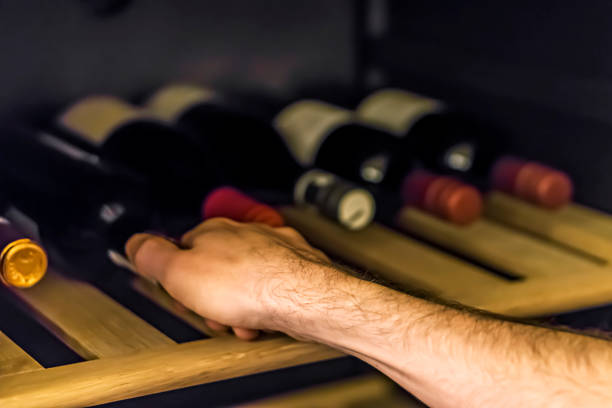
Crisp Whites: Ideal Cooling Range
For crisp white wines like Sauvignon Blanc, Pinot Grigio, and unoaked Chardonnay, the ideal wine cooler temp ranges between 45°F and 50°F (7°C–10°C)**. This temperature range preserves their bright acidity and enhances their refreshing, zesty character.
Serving these wines too cold—below 45°F—can mute their aromas and make them seem flat or overly astringent. Conversely, serving them too warm dulls their crispness and emphasizes alcohol.
Use your wine cooler’s precision settings to maintain consistency, and allow the bottle to sit at room temperature for 5–10 minutes if it feels excessively cold. This slight warming helps release the wine’s citrus, green fruit, and mineral notes.
For best results, store bottles upright to keep corks moist (if applicable) and minimize oxidation. Regularly calibrate your cooler to ensure accurate temps, as even slight deviations can impact flavor.
Chilling Aromatic Varietals Without Overcooling
Aromatic white wines such as Riesling, Gewürztraminer, and Viognier benefit from slightly warmer serving temperatures—ideally between 50°F and 55°F (10°C–13°C)—to fully express their complex floral, spice, and stone-fruit aromas. Overchilling dulls these delicate scents, making the wine seem less vibrant and one-dimensional.
While your wine cooler may default to lower settings, adjust it accordingly or transfer bottles to the main fridge 15–20 minutes before serving to fine-tune the temperature. These varietals often have residual sugar and balanced acidity, which shine best when not masked by extreme cold.
Avoid serving straight from a standard wine cooler set below 48°F, as it risks suppressing aromatic intensity. Instead, use a thermometer to verify the wine’s temp before pouring.
This small adjustment ensures a more aromatic, balanced, and enjoyable tasting experience, especially with food pairings like spicy Asian cuisine or rich cheeses.
Storing Sweet and Dessert Whites
Sweet and dessert whites—including Sauternes, late-harvest Riesling, and ice wine—should be stored consistently at 45°F (7°C) in your wine cooler to preserve their delicate balance of sugar and acidity. While they’re best served slightly warmer—at 50°F to 55°F (10°C–13°C)—long-term storage at a stable, cool temperature prevents spoilage and flavor degradation.
These wines are particularly sensitive to temperature fluctuations and light, so use a dual-zone cooler with UV-protected glass if possible. Avoid freezing temperatures, which can damage the wine’s structure. When ready to serve, remove the bottle 10–15 minutes early to allow gradual warming, enhancing honeyed, dried fruit, and spice notes.
Proper storage also prevents cork drying in natural cork-sealed bottles. Keep bottles horizontally to maintain cork moisture and airtight seals. With careful temp control, dessert wines can age gracefully and deliver a lush, harmonious sip every time.
How to Set Dual-Zone Wine Cooler Temperatures
Why Dual-Zone Coolers Offer Better Control
Dual-zone wine coolers provide independent temperature control for two separate compartments, making them ideal for storing both red and white wines under optimal conditions. Unlike single-zone models, dual-zone units allow you to maintain distinct climates in each section, preserving the flavor, aroma, and aging potential of different wine types.
Reds typically thrive at slightly cooler than room temperature (around 55–65°F), while whites prefer cooler settings (45–50°F). With dual zones, you avoid compromising one wine’s quality for another’s. This precision enhances longevity and taste, especially if you collect or age wines.
Additionally, dual-zone coolers reduce temperature fluctuations when the door opens, as only one zone is exposed at a time. For enthusiasts who enjoy both bold Cabernets and crisp Sauvignon Blancs, this separate yet integrated storage ensures every bottle is served at its peak.
Invest in dual-zone control to maximize wine quality and serving readiness.
Setting Upper and Lower Zones Correctly
To optimize your dual-zone wine cooler, assign the appropriate zone based on typical usage and wine type. Most models feature an upper compartment designed for white wines and a lower one for reds, though this can vary.
Set the upper zone between 45°F and 50°F to keep white, rosé, and sparkling wines crisp and refreshing. The lower zone should be set between 55°F and 65°F, ideal for reds like Merlot or Pinot Noir, preserving their complex bouquets without dulling tannins.
Always consult your cooler’s manual for specific airflow and sensor locations. Use the digital controls to adjust each zone independently, and allow 24 hours for temperatures to stabilize after loading new bottles. Avoid frequent door openings to maintain consistency.
For best results, use a standalone thermometer in each zone to verify accuracy, as built-in displays can sometimes vary. Proper setup ensures every wine is stored at its ideal wine cooler temp.
Balancing Red and White Storage in One Unit
Balancing red and white wine storage in a dual-zone cooler requires strategic organization and temperature discipline. Begin by assessing your consumption habits—store frequently enjoyed wines at readily accessible heights within their ideal zones.
Reserve the cooler’s upper zone for whites, sparkling, and lighter wines at 45–50°F, and the lower zone for reds at 55–65°F. Avoid overcrowding to ensure proper air circulation, which stabilizes temperature and humidity.
If you drink more reds, allocate extra space in the lower zone, but maintain a balanced inventory to prevent one section from being underused. Consider rotating bottles based on upcoming meals or events.
For long-term aging, place vintage reds in the most stable part of the lower zone, away from the door. This balanced approach ensures both types age properly and remain serving-ready. With mindful arrangement, your dual-zone cooler becomes a versatile, efficient wine preservation system.
Single-Zone Cooler: How to Find a Compromise Temperature
The 55°F Rule: Pros and Cons
The widely recommended 55°F (13°C) is often hailed as the ideal wine cooler temperature because it strikes a balance between preserving freshness and allowing complex aromas to develop.
This temperature is cool enough to slow oxidation and microbial activity, helping wines age gracefully, while still being warm enough to prevent cork drying in long-term storage. For many reds, 55°F enhances structure without muting fruit expression, and for fuller whites, it preserves acidity without numbing flavors.
However, the downside is that not all wines thrive equally at this midpoint. Lighter whites may taste dull, while robust reds might benefit from slightly warmer serving temps. Additionally, serving straight from a 55°F cooler often means red wines need warming and whites require further chilling.
While 55°F is a solid baseline for mixed collections, it’s not a one-size-fits-all solution—understanding your wine types and drinking habits is key to optimizing your single-zone setup.
Which Wines Tolerate Mid-Range Temps Best
When using a single-zone cooler set around 55°F, focus on storing wines that tolerate or even benefit from moderate temperatures. Medium-bodied reds like Pinot Noir, Grenache, and Chianti maintain excellent balance at this range, preserving their acidity and fruit character without excessive tannin harshness.
Similarly, fuller-bodied whites such as White Burgundy, Viognier, and aged Chardonnay thrive, as the temperature supports their structure without masking complexity. Rosés and amber wines also adapt well, retaining freshness while allowing subtle oxidation notes to shine.
Avoid storing delicate sparkling wines or very light whites like Muscadet at 55°F long-term, as they may lose vibrancy. Likewise, heavy tannic reds like young Cabernet Sauvignon or Barolo are best cellared here but should be warmed slightly before serving.
By curating your collection around temperature-resilient styles, you maximize enjoyment without needing multiple zones.
Tips for Rotating Bottles in Single Zones
Maximize your single-zone cooler by strategically rotating bottles based on drinking schedule and ideal serving temperature. Keep wines you plan to drink within a week in the cooler, and move others to long-term storage or a secondary location if possible.
For whites and sparklings, place them in the cooler 2–4 hours before serving to reach optimal chill, while pulling reds out 30–60 minutes prior to allow them to warm slightly. Use labeled racks or bins to track wine type and intended use, making rotation intuitive.
Consider a small insulated bag or wine thermoelectric warmer to fine-tune temps at serving time. If space allows, dedicate the front section for near-term bottles and the back for stable aging.
This dynamic approach ensures each wine is stored safely yet served closer to ideal, turning temperature compromise into practical, flexible stewardship of your collection.
How to Adjust Wine Temp Before Serving
Fine-Tuning Red Wine Temperature in the Fridge
To serve red wine at its ideal wine cooler temp, typically between 60–68°F (15–20°C), use your refrigerator strategically. If the bottle is stored at room temperature, place it in the fridge for 20–30 minutes before serving to gently cool it into the optimal range.
Over-chilling dulls the aromas and flavors of reds like Cabernet Sauvignon or Merlot, so avoid prolonged refrigeration. For more precision, use a wine thermometer or an app-connected smart fridge to monitor temperature. Lighter reds such as Pinot Noir benefit from being served slightly cooler—closer to 55–60°F—enhancing their bright acidity.
Remove the bottle in time to prevent it from getting too cold. Letting it sit for a few minutes at room temperature after refrigeration can fine-tune the final serving temp. This controlled approach ensures your red wine expresses its full bouquet and balance.
Chilling Whites to Perfect Serving Point
White wines shine when served within their ideal wine cooler temp range of 45–55°F (7–13°C), depending on body and sweetness. Full-bodied whites like Chardonnay taste best around 50–55°F, preserving richness while maintaining freshness. Lighter styles such as Sauvignon Blanc or Pinot Grigio are ideal at 45–50°F for vibrant acidity.
To achieve this, refrigerate whites for 1.5 to 2 hours before serving. Avoid the freezer for extended periods, as rapid cooling can shock the wine and mute flavors. For last-minute chilling, an ice bucket with water and salt lowers the temperature faster than ice alone.
Check the temp periodically—over-chilling masks delicate aromas. Remove the bottle 5–10 minutes before pouring to allow slight warming. This balance ensures crispness without numbing the palate, letting the wine’s true character emerge with every sip.
Using Ice Buckets vs. Coolers for Quick Adjustments
When you need to quickly reach the ideal wine cooler temp, an ice bucket is far more effective than a standard cooler. Fill the bucket with equal parts ice and water—this creates maximum contact and cools wine 3–4 times faster than ice alone.
Submerge the bottle for 15–20 minutes to chill whites or lightly cool reds. In contrast, coolers are better for maintaining temperature during transport, not rapid adjustments. For reds that are too warm, 10–15 minutes in an ice bucket brings them into the ideal 60–68°F range without over-chilling.
Always monitor the time to avoid dropping the temp too low. Use a floating thermometer for precision. Ice buckets also keep opened bottles cool during service. Speed, control, and consistency make ice buckets the go-to tool for last-minute fine-tuning, ensuring every pour hits the ideal serving temperature for maximum enjoyment.
Maintaining Consistent Wine Cooler Conditions
Avoiding Temperature Fluctuations
Maintaining a stable temperature is critical for preserving wine quality, as fluctuations can cause corks to expand and contract, potentially letting air seep in and spoil the wine.
The ideal wine cooler temp ranges between 55°F and 58°F (12.8°C to 14.4°C), a sweet spot that slows aging while preserving flavor complexity. Avoid placing your cooler near heat sources like ovens, direct sunlight, or drafty areas, as these can cause internal temperature swings.
Choose a wine cooler with dual-zone cooling if storing both reds and whites, allowing you to keep reds at the warmer end of the range and whites slightly cooler. Minimize door openings and ensure the seal is airtight to maintain consistency.
Use an independent thermometer to verify internal conditions, as built-in thermostats can sometimes be inaccurate. Consistent temps not only protect aroma and balance but also extend the shelf life of both aging and ready-to-drink bottles.
Ideal Humidity Levels for Wine Storage
Alongside temperature, maintaining proper humidity is essential for long-term wine storage. The ideal humidity level in a wine cooler is between 50% and 70%. Humidity in this range prevents corks from drying out, which could lead to oxidation and spoilage.
Dry corks shrink over time, breaking the airtight seal and allowing oxygen to degrade the wine’s flavor and aroma. Conversely, excessive humidity above 80% can promote mold growth on labels and shelving, damaging both appearance and structural integrity. To monitor levels, use a digital hygrometer inside the cooler.
If humidity is too low, place a small water tray inside to increase moisture. For high humidity, ensure proper ventilation and wipe down interior surfaces regularly. Wine coolers with built-in humidity control offer the best long-term solution.
Maintaining this balance protects both the cork and the wine’s aging potential, ensuring each bottle matures gracefully.
Cleaning and Monitoring Your Cooler for Peak Performance
Regular cleaning and monitoring are key to ensuring your wine cooler maintains ideal conditions over time. Dust, spills, and mold can compromise both temperature regulation and wine quality. Clean interior shelves and walls every three to six months using a mild vinegar-water solution to avoid chemical residue.
Always unplug the unit before cleaning. Check door seals frequently for cracks or debris that could break the airtight seal, leading to temperature fluctuations. Use independent digital thermometers and hygrometers to verify accuracy, as built-in sensors may drift. Monitor the cooler’s performance after power outages or seasonal changes.
Vacuum the condenser coils every six months to maintain cooling efficiency. Keep a log of temperature and humidity readings to identify trends or malfunctions early.
Proper maintenance not only preserves your wine but also extends the lifespan of the cooler, ensuring it consistently holds the ideal wine cooler temp and humidity for years to come.
Frequently Asked Questions
What is the ideal wine cooler temperature for storing red wine?
The ideal temperature for storing red wine is between 55°F and 65°F (13°C–18°C). Keeping reds in this range preserves their complex flavors and prevents premature aging.
What temperature should white wine be stored at in a wine cooler?
White wines should be stored between 45°F and 50°F (7°C–10°C) to maintain their freshness, acidity, and aromatic profile. This cooler range enhances their crisp character when served.
Can I store both red and white wines in the same wine cooler?
Yes, dual-zone wine coolers allow you to store both red and white wines at their ideal temperatures. One zone can be set for cooler whites, while the other maintains a warmer range for reds.
Is 50°F too cold for red wine storage?
While 50°F is slightly below the ideal range for long-term red wine storage, it’s acceptable for short-term. For optimal aging and flavor preservation, aim for 55°F–65°F.
What is the best overall temperature for a single-zone wine cooler?
The best compromise temperature for a single-zone wine cooler is around 55°F (13°C). This temperature safely accommodates both red and white wines, especially if whites are chilled briefly before serving.
How does temperature affect wine aging in a cooler?
Consistent, cool temperatures slow down chemical reactions, allowing wine to age gracefully. Fluctuations or excessive heat can accelerate aging and damage wine quality.
Conclusion
Maintaining the ideal wine cooler temperature enhances flavor and preserves quality. White wines thrive at 45–50°F, reds at 55–65°F, and sparkling wines are best near 43–47°F. Consistency matters more than exact numbers—avoid fluctuations. Store bottles horizontally to keep corks moist. By setting your cooler correctly, you protect your collection and elevate every pour. Cheers to perfectly chilled, well-preserved wine every time—your palate will thank you.