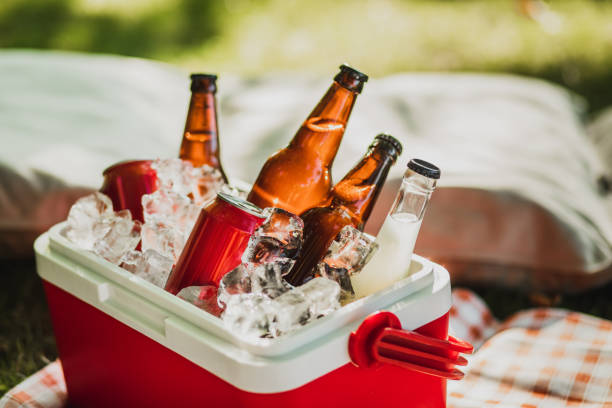
Beer In Wine Cooler
Wondering if you can use a wine cooler for beer? The short answer is yes—most wine coolers can safely store beer, especially if they offer temperature flexibility. While wine coolers are designed with specific humidity and temp ranges for wine, many models maintain the ideal 38–55°F range that beer also thrives in. Just make sure your cooler allows adjustment to colder settings for optimal beer storage. In this article, we’ll break down how to make it work, what to watch for, and which beers benefit most.
What Is a Wine Cooler and Can It Hold Beer?
Definition of a Wine Cooler
A wine cooler is a specialized appliance designed to store and preserve wine at optimal temperatures and humidity levels. Unlike regular refrigerators, wine coolers maintain a consistent, slightly warmer temperature range—typically between 45°F and 65°F—ideal for both red and white wines.
These units often feature UV-protected glass doors, vibration reduction, and adjustable shelving to protect wine from light and movement. While primarily intended for wine, many people wonder if they can store beer in a wine cooler.
The short answer is yes—wine coolers can safely hold beer, though it may not be the ideal temperature for certain beer styles. Understanding this distinction helps users make informed decisions about beverage storage.
How Wine Coolers Work
Wine coolers use thermoelectric or compressor-based cooling systems to maintain stable, humidity-controlled environments ideal for wine aging and storage. Thermoelectric coolers are quieter and vibration-free, making them great for small collections, while compressor models offer stronger cooling and can handle larger loads.
These units are calibrated to keep temperatures steady, usually above standard refrigerator levels, to preserve wine’s delicate flavors. Since beer doesn’t require the same aging conditions as wine, it can still be stored effectively in a wine cooler.
The consistent temperature and dark environment help maintain beer quality, especially for craft brews sensitive to heat and light. While not optimized for beer, wine coolers provide a safe, functional short-term storage option.
Temperature Differences Between Beer and Wine
Beer and wine thrive at different serving and storage temperatures, which is crucial when considering beer in a wine cooler. Most beers are best stored between 38°F and 55°F, with lagers preferring colder temps (38°F–45°F) and ales around 50°F–55°F.
In contrast, wine coolers typically maintain 45°F–65°F—perfect for reds and whites but potentially too warm for certain beers. Storing lagers in a wine cooler may result in reduced crispness and faster spoilage due to elevated temperatures. However, ales, stouts, and porters can fare well within this range.
For best results, adjust the wine cooler’s setting if possible, or reserve it for beer types that align with its temperature profile to maintain freshness and flavor integrity.
Common Misconceptions About Using Wine Coolers for Beer
Many believe wine coolers are exclusively for wine, but this is a common misconception. While designed with wine in mind, these units can safely store beer without damaging the beverages.
Another myth is that beer will spoil quickly in a wine cooler, but as long as temperatures are stable and UV exposure is limited, beer remains fresh.
Some also assume wine coolers are too warm for all beer types, but many craft beers, especially ales and sour varieties, are best served slightly warmer than lagers. The key is understanding your beer’s ideal storage needs.
With proper temperature management, a wine cooler can be a versatile, dual-purpose appliance—ideal for households enjoying both wine and select beer styles.
Ideal Temperature for Storing Beer
Recommended Serving Temperatures by Beer Type
Different beer styles taste best at specific temperature ranges, and storing them properly enhances flavor. Light lagers and pilsners are ideal at 38–45°F (3–7°C), preserving their crisp, refreshing character. Ales like IPAs and pale ales shine at 45–50°F (7–10°C), allowing hop aromas to express fully without bitterness overpowering.
Stouts, porters, and Belgian ales benefit from slightly warmer 50–55°F (10–13°C) storage, revealing complex malt and yeast notes. A wine cooler typically maintains 46–57°F (8–14°C), which suits many ales but may be too warm for lagers. Adjusting the cooler’s setting or using short-term chilling can help match ideal serving temps.
Always serve beer from cold storage to preserve carbonation and freshness.
How Beer Flavor Changes with Temperature
Temperature dramatically affects how we perceive beer’s taste and aroma. When beer is too cold, below 38°F (3°C), flavor compounds become muted, making it taste flat and overly crisp. As beer warms, volatile aromas like hops, malt, and yeast esters become more pronounced.
At optimal serving temperatures, IPAs reveal citrus and pine notes, while stouts develop chocolate and coffee tones. However, if stored above 60°F (15°C), beer risks oxidation and skunking, especially in light-exposed bottles. Warm temperatures also accelerate aging, leading to stale, cardboard-like flavors.
A wine cooler’s upper range may push some beers toward flavor degradation. Keeping beer within its ideal range preserves balance and complexity, ensuring each sip delivers the brewer’s intended experience.
Comparing Beer and Wine Storage Needs
While beer and wine both benefit from cool, stable storage, their ideal conditions differ. Wine thrives at 55°F (13°C) with high humidity to preserve corks, whereas beer prefers slightly cooler temperatures, typically 38–55°F (3–13°C), and doesn’t require humidity control.
Beer is more sensitive to light and oxygen, making dark bottles and sealed caps essential. Wine coolers often prioritize red wine storage, running warmer than ideal for many beers. Additionally, vibration from cooler compressors can disturb beer sediment and affect carbonation.
While a wine cooler can store certain ales and stouts safely, it may not suit lagers or hop-forward styles. Understanding these differences helps prevent flavor loss and ensures both beverages remain enjoyable over time.
Why Temperature Control Matters in a Cooler
Consistent temperature control is critical for preserving beer quality. Fluctuations cause condensation inside bottles, promoting oxidation and off-flavors. Beer stored too warm ages rapidly, while overly cold storage masks aroma and taste.
A wine cooler offers more stable temps than a refrigerator door or room-temperature shelf, but its default settings may not align with beer needs. Precise thermostats and dual-zone cooling in higher-end models allow better customization. For best results, place beer in the cooler’s coldest zone and avoid frequent door opening.
Monitoring with a separate thermometer ensures accuracy. Proper temperature control maintains carbonation, clarity, and flavor integrity, making even a wine cooler a viable short-term beer storage solution when adjusted thoughtfully.
How to Store Beer in a Wine Cooler
Checking Your Cooler’s Temperature Range
Before storing beer in a wine cooler, verify the unit’s temperature range to ensure it can accommodate beer’s ideal serving conditions. Most wine coolers maintain temperatures between 45°F and 65°F, which works well for certain beer styles like lagers, pilsners, and IPAs that taste best chilled between 45°F and 55°F.
Use a standalone thermometer to confirm the actual internal temperature, as built-in displays may not be accurate. If your cooler only reaches temperatures above 50°F, it’s better suited for storing ales or cellaring beer rather than serving it cold.
Avoid using the cooler if it cannot maintain a stable, cool environment, as fluctuating or warm temps can spoil beer flavor and accelerate oxidation. Always match your beer type with the cooler’s capabilities for best results.
Adjusting Settings for Beer Storage
To store beer effectively in a wine cooler, adjust the temperature settings to match beer’s ideal range of 38°F to 50°F, depending on the style. While many wine coolers are designed for warmer wine storage, some dual-zone or adjustable units can reach lower temps suitable for beer.
Set the cooler to its lowest possible setting and allow 24 hours to stabilize before adding beverages. Monitor the internal temperature with a separate thermometer to confirm consistency. For best flavor preservation, store lighter beers like lagers and pilsners at the cooler end (38°F–45°F) and ales slightly warmer (50°F–55°F).
Avoid frequent temperature changes by minimizing door openings. If your cooler cannot reach these ranges, consider using it only for short-term storage or beer styles that tolerate slightly warmer temps.
Organizing Space for Beer and Wine
When using a wine cooler for both beer and wine, maximize space efficiently by grouping bottles by type and temperature needs. If your cooler has adjustable shelves, reconfigure them to fit taller beer bottles or cans while preserving room for wine.
Place beer on lower shelves, where temperatures are typically more stable and slightly cooler, while reserving upper shelves for wine. Use clear bins or labeled dividers to separate beverages and prevent mix-ups.
For dual-zone coolers, dedicate one zone to beer and the other to wine to maintain ideal conditions for both. Avoid overcrowding to allow proper air circulation, which helps maintain consistent temperatures.
Regularly rotate stock using the ‘first in, first out’ method to ensure older beers are consumed first, preserving freshness and flavor.
Avoiding Odor Transfer Between Drinks
To prevent unwanted odor and flavor transfer between beer and wine in a shared cooler, store each beverage in sealed containers and keep them in separate sections. Beer, especially styles with light malt profiles, can easily absorb surrounding aromas, which may compromise taste.
Use airtight beer carriers or insulated sleeves for added protection. Consider placing activated charcoal deodorizers or baking soda boxes inside the cooler to absorb volatile compounds. Avoid storing strong-smelling foods or opened bottles for extended periods.
Clean the interior regularly with mild soap and water to eliminate residue and lingering scents. If possible, designate specific shelves or zones exclusively for beer or wine to minimize cross-contamination. This ensures both beverages retain their intended aromas and flavors until serving.
Best Types of Beer for Wine Coolers
Light Lagers and Pilsners
Light lagers and pilsners are ideal choices for wine coolers due to their crisp, clean profiles and low alcohol content. These beers thrive when served chilled, making them perfectly suited for the consistent, cool temperatures wine coolers provide.
Their subtle malt sweetness and mild hop bitterness remain balanced when stored correctly, preserving freshness and flavor over time. Since wine coolers typically maintain temperatures around 45–50°F (7–10°C), they prevent over-chilling, which can mute the delicate notes in lagers. Storing light lagers upright in the cooler also minimizes sediment disturbance.
For best results, keep them away from strong odors, as beer can absorb surrounding aromas. This makes light lagers a practical and flavorful option for wine cooler storage, especially for those who enjoy a refreshing, easy-drinking beer anytime.
Wheat Beers and Hefeweizens
Wheat beers and hefeweizens benefit significantly from wine cooler storage thanks to their aromatic complexity and sensitivity to temperature fluctuations. These unfiltered beers boast notes of banana, clove, and citrus, which are best preserved at slightly warmer temperatures than standard refrigeration—ideally between 45–50°F (7–10°C).
Wine coolers maintain this stable environment, enhancing the beer’s bouquet without numbing its flavors. Avoiding excessive cold preserves the smooth mouthfeel and effervescence crucial to wheat beers. Additionally, storing bottles upright prevents yeast sediment from becoming agitated.
Since hefeweizens are often bottle-conditioned, the consistent humidity and minimal vibration in wine coolers support long-term quality. For enthusiasts who appreciate nuanced, fruity profiles, using a wine cooler for wheat beers ensures every pour is as intended by the brewer.
Craft Beers with Lower ABV
Craft beers with lower alcohol by volume (ABV), such as session IPAs, blond ales, and milds, are excellent candidates for wine cooler storage. These brews are designed for drinkability and often feature balanced hoppy, malty, or fruity notes that shine at cooler serving temperatures.
Wine coolers provide a stable, moderate climate that protects delicate aromas and prevents oxidation, which is crucial for preserving freshness in lower-ABV craft beers. Unlike high-ABV stouts or barleywines, these lighter styles don’t require long aging and are best enjoyed within months.
Storing them in a wine cooler maintains optimal drinkability by avoiding temperature swings common in standard fridges. For craft beer lovers who prefer approachable flavors, using a wine cooler ensures consistent quality and enhanced tasting experience with every sip.
Beers That Benefit from Cool, Not Cold, Serving
Certain beer styles, like amber ales, bocks, and Belgian saisons, are best enjoyed cool but not ice-cold, making wine coolers an ideal storage solution. Serving these beers at 45–55°F (7–13°C) unlocks their full flavor potential, allowing complex malt and yeast characteristics to emerge.
Wine coolers naturally maintain this range, unlike standard refrigerators that often dip below 40°F (4°C), which can dull nuanced profiles. These styles often have layered notes of caramel, spice, or fruit that become muted when over-chilled. By using a wine cooler, you enhance aroma and mouthfeel while avoiding thermal shock.
Additionally, the consistent humidity and low light exposure protect beer quality over time. For beer enthusiasts who appreciate depth and balance, storing these varieties in a wine cooler ensures every pour delivers a rich, well-rounded experience.
Potential Risks of Storing Beer in a Wine Cooler
Temperature Too High for Certain Beers
Storing beer in a wine cooler can be problematic because wine coolers typically operate at 50–65°F (10–18°C), which is too warm for many beer styles. Lagers, pilsners, and hop-forward IPAs require colder temperatures—ideally 35–45°F (2–7°C)—to preserve freshness and flavor.
At higher temperatures, chemical reactions accelerate, leading to faster staling and loss of hop aroma. Warm storage also promotes the growth of spoilage microbes, which can alter taste. While some ales tolerate slightly warmer conditions, extended storage above recommended ranges compromises crispness and drinkability.
For optimal beer quality, use a dedicated beer fridge or adjust cooler settings if possible, ensuring temperature aligns with the specific beer style being stored.
Impact on Carbonation and Foam
Improper temperature in a wine cooler can significantly affect beer carbonation levels and foam stability. When stored too warm, CO₂ escapes more readily from beer, leading to flattened, less effervescent results upon opening. This loss of carbonation diminishes mouthfeel and reduces the aromatic release that enhances flavor.
Additionally, inconsistent temperatures cause pressure fluctuations inside bottles or cans, increasing the risk of gushing or weak head formation. Cold, stable storage preserves carbonation, ensuring proper bubble formation and a satisfying pour.
To maintain ideal fizz and creamy head, avoid wine coolers that can’t maintain temperatures below 45°F (7°C), especially for highly carbonated styles like Belgian ales or German wheat beers.
Risk of Light Exposure in Glass Doors
Many wine coolers feature glass doors that, while aesthetically pleasing, expose beer to ambient light—a major threat to quality. UV and fluorescent light trigger chemical reactions in hops, producing ‘skunky’ off-flavors (known as lightstruck beer). This degradation can occur in minutes under direct light.
Beers in clear, green, or lightweight brown bottles are especially vulnerable. Even indirect sunlight through a kitchen or living room window can compromise flavor over time. To prevent this, store beer in dark, opaque containers or UV-protected cabinets.
If using a glass-door wine cooler, keep it away from direct light and consider covering bottles with opaque wraps. For long-term storage, darkness is essential to preserve beer’s intended taste and aroma.
Long-Term Storage Effects on Beer Quality
Using a wine cooler for long-term beer storage risks accelerated aging and flavor deterioration due to suboptimal conditions. Beer stored above 45°F (7°C) ages faster, leading to oxidized flavors resembling cardboard or sherry, especially in hoppy or light beers. Warm temps also degrade delicate aromatic compounds, muting the beer’s complexity.
While certain high-alcohol styles like stouts or barleywines benefit from aging, they require stable, cool, dark environments—not the fluctuating warmth of most wine coolers. Extended exposure to vibration from the cooler’s compressor can further disturb sediment and affect clarity.
For best results, reserve wine coolers for short-term storage and use a temperature-controlled beer fridge for aging or preserving freshness over weeks or months.
Alternatives to Using a Wine Cooler for Beer
Dedicated Beer Refrigerators
A dedicated beer refrigerator is one of the best alternatives to using a wine cooler for storing and serving beer. These units are specifically designed to maintain the ideal temperature range for beer, typically between 38°F and 55°F, depending on the beer type.
Unlike wine coolers, which often run warmer, beer fridges provide consistent cooling perfect for lagers, ales, and stouts. Many models also feature adjustable shelves and UV-protected glass doors to preserve beer quality. For enthusiasts with a growing collection, these refrigerators offer greater capacity and precise humidity control, reducing spoilage.
Investing in a beer-specific fridge ensures your brews stay fresh, carbonated, and optimally chilled, enhancing both flavor and longevity without compromising storage conditions.
Dual-Zone Wine Coolers with Adjustable Settings
If you already own a dual-zone wine cooler with adjustable temperature settings, it can effectively store beer alongside wine. These units allow you to set one zone to the cooler range preferred by beer, usually around 38°F to 45°F, while keeping the other zone warmer for wine.
This versatility makes dual-zone coolers a smart choice for mixed beverage collections. Ensure your cooler can reach lower temperatures suitable for lagers and pilsners, as not all models go below 50°F. Proper organization—placing beers in the colder zone—maximizes performance.
With precise digital controls and humidity management, dual-zone coolers offer a balanced environment, letting you enjoy both beverages at their best without needing separate appliances.
Portable Coolers and Ice Buckets
For short-term storage or serving, portable coolers and ice buckets are practical alternatives to wine coolers for beer. These solutions are ideal for parties, outdoor events, or temporary chilling needs.
Fill a well-insulated cooler with ice and a small amount of water to rapidly cool beer to serving temperature—typically within 15 to 30 minutes. Rotating bottles or cans ensures even cooling. For longer events, replenish ice as needed to maintain cold temps.
Ice buckets work well at the table or bar, keeping a few beers chilled and accessible. While not suitable for long-term storage, these methods offer immediate, effective cooling without relying on electrical appliances, making them affordable and convenient for casual use.
Using a Regular Fridge with Temperature Control
A standard kitchen refrigerator is often the most accessible and effective alternative to a wine cooler for storing beer. Most fridges maintain a temperature of around 37°F to 40°F, which is ideal for preserving carbonation and flavor in most beer styles.
To optimize storage, designate a specific shelf or bin for beer to avoid temperature fluctuations from frequent door opening. Use beer-specific organizers or bins to keep bottles upright and prevent light exposure, which can cause skunking.
For better control, consider using a fridge thermometer to monitor actual temps, as settings can vary. This method provides consistent cooling, ample space, and easy access, making it a reliable, everyday solution for beer storage without specialized equipment.
Tips for Serving Beer Stored in a Wine Cooler
Chilling Glasses Before Pouring
To enhance the drinking experience, chill your beer glasses before pouring, especially when serving beer stored in a wine cooler. While wine coolers typically maintain temperatures ideal for white wines and lighter beers, pre-chilled glasses help maintain the optimal serving temperature longer.
Place glasses in the freezer for 10–15 minutes before use, but avoid extended storage to prevent condensation or glass damage. This step is particularly useful for crisp lagers, pilsners, and wheat beers. Avoid rinsing chilled glasses with water right before use, as moisture can diminish head retention and flavor intensity.
By keeping the glass cold, you preserve the beer’s carbonation and aroma, delivering a more refreshing and flavor-balanced pour every time.
Pouring Techniques to Maximize Flavor
The way you pour beer from a wine cooler significantly impacts its aroma, head formation, and overall taste. Start by tilting the glass at a 45-degree angle and pour steadily down the side to minimize excessive foam.
As the glass fills halfway, slowly upright it and pour more directly into the center to build a proper one-finger foam head, which traps volatile aromas and enhances mouthfeel. Avoid shaking or agitating the bottle or can before opening, especially if the beer is bottle-conditioned.
Use clean, residue-free glassware to prevent rapid bubble collapse. This controlled pour ensures the beer expresses its full flavor profile, making the most of its time in the wine cooler’s stable, cool environment.
Pairing Beer from a Wine Cooler with Food
Beer stored in a wine cooler often includes styles like pilsners, saisons, and sour ales that pair exceptionally well with a variety of dishes. Use the cooler’s consistent temperature to serve lighter, crisp beers that complement seafood, salads, and soft cheeses.
For example, a chilled wheat beer pairs beautifully with lemon-herb grilled chicken or goat cheese crostini. Match intensity with intensity: delicate beers with lighter fare, and fuller-flavored ales with spiced or roasted foods.
Since wine coolers maintain temperatures slightly warmer than standard beer fridges, allow slightly warmer pours for aromatic complexity in Belgian or fruit-forward beers. This nuanced serving temperature enhances both the beer’s character and the meal’s flavors, creating a harmonious dining experience.
Rotating Stock to Ensure Freshness
Even when stored in a wine cooler, beer has a limited shelf life, so rotating your stock is essential for peak flavor. Use the ‘first in, first out’ (FIFO) method to ensure older beers are consumed before newer ones.
Light, hop-forward styles like IPAs degrade faster, losing aroma and bitterness within weeks, so prioritize their consumption. Check bottling or ‘best by’ dates regularly. Store beers upright to minimize oxidation and keep them away from light, even in a cooler.
While wine coolers offer stable temperatures, they may not be cold enough for long-term beer storage, so avoid prolonged storage beyond a few weeks. Regular rotation ensures every pour is fresh, vibrant, and true to style.
Frequently Asked Questions
Can I store beer in a wine cooler?
Yes, you can store beer in a wine cooler, as long as the temperature settings are appropriate. Beer is best stored between 38°F and 55°F, which overlaps with the typical wine cooler range, especially for lagers and ales.
What temperature should a wine cooler be set to for beer?
Set the wine cooler to between 38°F and 50°F for optimal beer storage. Lighter beers like lagers do best at the colder end, while ales can handle slightly warmer temperatures.
Is it safe to chill beer quickly in a wine cooler?
Wine coolers are designed for gradual cooling and long-term storage, not rapid chilling. For best results, allow beer to chill slowly over several hours rather than expecting fast cooling.
Will storing beer in a wine cooler affect its taste?
If the temperature is stable and within the proper range, storing beer in a wine cooler will preserve its taste. Fluctuating temperatures or excessive warmth can degrade beer quality over time.
Can a dual-zone wine cooler hold both beer and wine?
Yes, a dual-zone wine cooler allows you to set different temperatures in each compartment, making it ideal for storing both wine and beer at their respective ideal temperatures.
How long can beer be stored in a wine cooler?
Most beers can be stored in a wine cooler for several months if kept at a consistent, cool temperature. However, hop-forward beers like IPAs are best consumed within a few weeks for peak flavor.
Conclusion
Beer in a wine cooler offers a refreshing twist that combines the best of both worlds—crisp beer flavor with the elegant chill of a wine cooler. This hybrid drink is perfect for those seeking variety and a lighter, fruit-infused option. Easy to make and highly customizable, it encourages experimentation. Give it a try at your next gathering and surprise your taste buds with this innovative, refreshing blend that’s redefining summer sipping.
