What Is Asti Spumante
Wondering what Asti Spumante is? It’s a sweet, fizzy Italian white wine from the Piedmont region, made entirely from Moscato Bianco grapes. Known for its light bubbles, fruity aroma, and low alcohol content, it’s perfect for celebrations or a refreshing treat. In this article, we’ll break down its taste, production, and best ways to enjoy it—giving you everything you need to know about this beloved sparkling wine in just a few quick reads.
What Is Asti Spumante?
Definition and Origin of Asti Spumante
Asti Spumante is a sweet, sparkling white wine produced in the Piedmont region of northwest Italy, primarily from the Moscato Bianco grape. Recognized for its aromatic profile and gentle effervescence, it has been crafted for centuries in the hills around the towns of Asti and Alba.
The wine holds Denominazione di Origine Controllata e Garantita (DOCG) status, ensuring strict production standards and regional authenticity. Unlike champagne or other traditional method sparkling wines, Asti Spumante undergoes a single fermentation process in pressurized tanks, preserving its natural sweetness and fruity character.
This method, known as the Martinotti-Charmat process, allows the wine to capture carbonation early, resulting in a fresh, floral, and approachable beverage ideal for celebrations or dessert pairings.
How It Differs From Other Sparkling Wines
Asti Spumante stands apart from other sparkling wines like Champagne, Prosecco, or Cava due to its production method, sweetness level, and grape variety. While Champagne uses the traditional method with secondary fermentation in the bottle, Asti Spumante uses the Charmat method, fermenting once in large tanks to retain natural sugars.
It is made exclusively from Moscato Bianco grapes, giving it a distinctly floral and fruity aroma with notes of peach, apricot, and orange blossom. Unlike dry sparkling wines, Asti Spumante is inherently sweet, making it a popular choice for dessert pairings or casual sipping.
Additionally, it typically has lower alcohol content (around 7-9%), offering a lighter alternative to more robust sparkling wines. This combination of sweetness, aroma, and gentle bubbles makes it unique in the sparkling wine category.
Key Characteristics of the Wine
Asti Spumante is known for its vibrant aromas, soft bubbles, and balanced sweetness. The wine exhibits pronounced floral and fruit-forward notes, including peach, pear, honey, and rose petals, making it highly aromatic and inviting. Its light to medium body and moderate effervescence create a smooth, refreshing mouthfeel without overwhelming acidity.
The low alcohol content enhances its drinkability, especially when served chilled. It typically has a golden-straw color and a clean finish that avoids cloying sweetness due to its natural acidity.
Best enjoyed young and fresh, Asti Spumante is ideal as an aperitif or paired with desserts like fruit tarts, light pastries, or creamy cheeses. Its approachable flavor profile makes it a favorite for both casual drinkers and wine enthusiasts seeking a delightfully sweet sparkling option.
Common Misconceptions About Asti Spumante
A common misconception is that Asti Spumante is low-quality or overly sweet like a dessert liqueur, but this overlooks its DOCG designation and artisanal production. While it is sweet, its natural sugars are balanced by bright acidity, preventing it from being cloying.
Another myth is that it’s the same as regular Prosecco or Champagne, but it differs fundamentally in grapes, method, and style. Some also confuse it with ‘Asti’—a related but distinct wine; since 1993, ‘Asti Spumante’ has been officially renamed simply ‘Asti’, though many still use the original name.
Lastly, people often assume it’s only for toasting, but its versatility with spicy cuisine, fruit-based dishes, or blue cheeses makes it a dynamic pairing choice. Understanding these distinctions helps appreciate Asti Spumante as a crafted, authentic Italian sparkling wine with unique charm.
How Is Asti Spumante Made?
The Role of Moscato Bianco Grapes
Asti Spumante is made exclusively from Moscato Bianco grapes, which are essential to its signature aroma and sweetness. These grapes are harvested early in the morning to preserve their delicate fragrance and high sugar content.
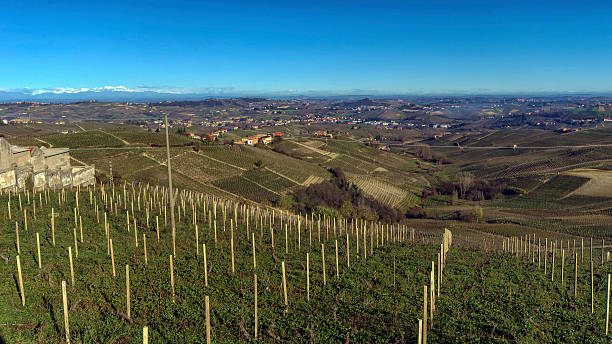
Grown primarily in Italy’s Piedmont region, Moscato Bianco thrives in the hilly terrain and favorable climate, producing fruit with floral notes, peach, and apricot flavors. The grapes are gently pressed soon after picking to extract juice without bitterness from skins or seeds.
This fresh, aromatic must is then used immediately in production to maintain its vibrant character. The natural sugars and acidity in Moscato Bianco are critical for achieving the wine’s balance, making it the ideal variety for crafting the light, fragrant profile of Asti Spumante.
Fermentation Process Explained
The fermentation of Asti Spumante is unique because it occurs only once and in a pressurized tank, preserving natural sweetness and effervescence. Unlike traditional sparkling wines, the process begins by chilling the grape must and storing it until ready for fermentation.
Once started, yeast is added to convert sugars into alcohol and carbon dioxide, but the fermentation is stopped early through cooling, retaining residual sugar. This single fermentation under pressure ensures the bubbles remain dissolved in the wine.
The entire process is closely monitored to achieve the desired balance of sweetness, alcohol (typically around 7-9% ABV), and sparkle. This method preserves the wine’s fresh, fruity profile and avoids dryness, making it distinct from other sparkling wines.
The Charmat Method Step by Step
Asti Spumante is produced using the Charmat Method, a technique ideal for aromatic white wines. First, Moscato Bianco juice is filtered and placed in a large, sealed, pressurized tank called an autoclave. Yeast is introduced, initiating fermentation under pressure, which traps carbon dioxide and creates natural bubbles.
As sugar converts to alcohol, the process is halted mid-fermentation by cooling, preserving sweetness. The wine is then filtered to remove yeast and bottled under pressure to maintain effervescence. This method ensures consistent flavor, freshness, and a soft mousse.
Unlike the traditional method used for Champagne, the Charmat process is faster and better suited to highlighting the grape’s aromatic qualities, making it perfect for crafting approachable, fruity sparkling wines like Asti Spumante.
Why It’s Lightly Sparkling and Sweet
Asti Spumante is lightly sparkling (frizzante) and sweet due to its unique production approach. The early halt in fermentation preserves natural grape sugars, resulting in a residual sugar content of around 3-5%, giving it a distinctly sweet taste.
The carbonation level is lower than fully sparkling (spumante) wines, creating a gentle fizz that enhances its refreshing quality. Because fermentation occurs under pressure in tanks, the bubbles are softer and less persistent than those in Champagne.
This combination of low alcohol, delicate effervescence, and fruity sweetness makes Asti Spumante highly approachable and ideal for pairing with desserts or enjoying as a celebratory drink. Its sensory profile is carefully crafted to deliver consistent, pleasurable drinking experiences.
Taste Profile and Serving Suggestions

Flavor Notes and Aromas to Expect
Asti Spumante is a sweet, aromatic sparkling wine from Italy’s Piedmont region, known for its vibrant fruit-forward profile. Expect intense notes of ripe peach, apricot, and green apple, along with floral hints of acacia and honeysuckle.
The wine’s natural sweetness is balanced by bright acidity, which prevents it from tasting cloying. Its light to medium body and gently effervescent texture make it refreshingly easy to drink. Low alcohol content (typically around 5-7%) enhances its appeal as a dessert or aperitif wine.
When tasting, swirl the glass gently to release its fragrant bouquet, and enjoy it chilled to fully appreciate the harmonious blend of sweetness and freshness that defines this beloved Italian sparkling wine.
Best Serving Temperature
To fully enjoy Asti Spumante, serve it well-chilled between 45°F and 50°F (7°C to 10°C). This temperature range preserves the delicate bubbles and enhances the wine’s refreshing sweetness and aromatics.
Serving it too warm can make the wine taste overly sweet and flat, while serving it too cold can mute its vibrant fruit and floral notes.
Chill the bottle in the refrigerator for at least 2–3 hours before serving, or use an ice bucket with equal parts ice and water for faster cooling. Avoid freezing, as it may damage the bottle or dull the flavors.
Once opened, keep the bottle upright in the fridge with a sparkling wine stopper to maintain effervescence for any leftovers, ideally consumed within 1–2 days.
Ideal Glassware for Asti Spumante
Choose a tulip-shaped wine glass or a sparkling wine flute to best showcase Asti Spumante’s qualities. These glasses narrow at the top, which helps preserve carbonation and concentrate the wine’s floral and fruity aromas.
A flute also enhances the visual appeal by showcasing the steady stream of fine bubbles rising through the pale golden liquid. Avoid wide-bowled glasses like coupes, as they allow bubbles and aromas to dissipate too quickly.
The tapered design of the ideal glass ensures each sip delivers a balanced sensation of sweetness, acidity, and effervescence. For formal tastings or dessert pairings, a tulip glass offers a slight advantage in aroma development, making it a versatile and elegant choice.
Food Pairings That Work Well
Asti Spumante’s sweetness and acidity make it a versatile companion to a variety of dishes, especially desserts and spicy cuisine. It pairs beautifully with fruit-based desserts like peach cobbler, lemon tart, or fresh berries with cream, where its fruit notes echo the flavors on the plate.
The wine’s effervescence and lightness also cut through rich, creamy desserts like panna cotta or cheesecake. For savory options, try it with spicy Asian dishes such as Thai curry or sushi with spicy mayo, as the sweetness cools the heat.
It also complements mild cheeses like mascarpone or mozzarella and light pastries. Avoid pairing with overly chocolate-heavy desserts, which can overpower the wine—balance is key.
Where Is Asti Spumante Produced?
The Asti Region in Piedmont, Italy
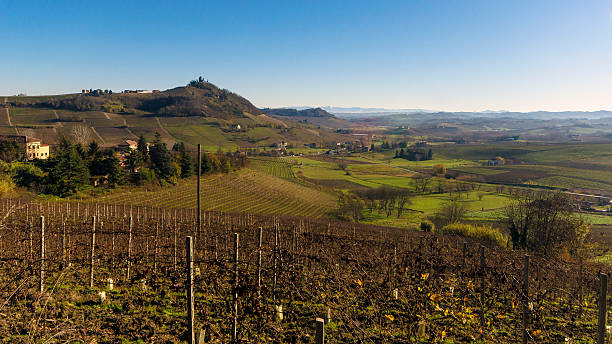
Asti Spumante is produced in the Asti region of Piedmont, Italy, a picturesque wine-growing area in the northwest part of the country. This region is renowned for its rolling hills, vineyard-covered landscapes, and centuries-old winemaking traditions.
The heart of production lies within the provinces of Asti, Alessandria, and Cuneo, where the Moscato Bianco grape thrives. The hilly terrain and microclimates contribute to the grape’s high aromatic intensity and balanced acidity, essential for crafting this sweet, sparkling wine.
The region’s cultural heritage and dedication to quality ensure that Asti Spumante remains a symbol of Italian winemaking excellence, enjoyed globally for its approachable flavor and festive character. This localized production preserves authenticity and regional pride.
Geographical Indications and DOCG Status
Asti Spumante holds DOCG (Denominazione di Origine Controllata e Garantita) status, Italy’s highest classification for wine quality and authenticity. This strict certification ensures that only wines produced in the designated areas of Piedmont, using specific methods and grape varieties, can be labeled as Asti Spumante.
The DOCG regulations mandate the exclusive use of Moscato Bianco grapes, hand-harvesting in select zones, and a controlled fermentation process to preserve natural sweetness and effervescence. These rules protect the wine’s regional identity and quality standards, preventing imitation and ensuring consumers receive an authentic product.
The geographical indication also highlights the unique terroir and tradition behind every bottle, reinforcing Asti Spumante’s reputation as a premium Italian sparkling wine with protected origin status.
Top Producers and Brands
Several renowned producers in Piedmont are celebrated for crafting high-quality Asti Spumante. Leading brands like Martini & Rossi, Cinzano, and Contratto have long-standing reputations for consistency and excellence.
Smaller, family-run wineries such as Coppo, Saracco, and Paolo Saracco also stand out for their artisanal approach and premium expressions of the wine. These producers combine traditional techniques with modern innovation to highlight the delicate floral and fruity notes of Moscato Bianco.
Many top brands offer different tiers, from affordable, easy-drinking versions to limited-edition bottles aged for complexity. By supporting both large and boutique producers, consumers can explore the full spectrum of Asti Spumante’s character while contributing to the sustainability of local winemaking communities in Piedmont.
Climate and Soil Impact on Quality
The climate and soil of the Asti region play a vital role in shaping the quality and flavor of Asti Spumante. The area enjoys a temperate continental climate with warm summers and cold winters, while the hills provide ideal sun exposure and drainage.
Marl and limestone-rich soils retain heat and stress the vines just enough to concentrate sugars and aromatics in the Moscato Bianco grapes. These conditions result in wines with bright acidity, floral aromas, and sweet stone fruit flavors balanced by freshness.
The diurnal temperature shifts help preserve acidity during ripening, crucial for maintaining the wine’s signature sparkle and drinkability. This harmonious interaction between terroir and grape variety ensures that Asti Spumante maintains its distinctive profile and high quality year after year.
How to Choose the Best Asti Spumante
Reading the Label for Quality Clues
When choosing the best Asti Spumante, reading the label carefully is essential to ensure quality. Look for the DOCG designation—’Asti Spumante DOCG’—which guarantees the wine is produced in the Piedmont region of Italy using traditional methods. Moscato Bianco grapes should be the sole varietal used, indicating authenticity.
Avoid bottles labeled simply as ‘sparkling wine’ or those with added flavors, as they may lack the genuine character of true Asti. Check for clarity in the producer’s name and origin—reputable brands like Martini & Rossi, La Spinetta, or Contratto often deliver consistency.
Additionally, a light golden hue described on the label suggests proper ripeness and balance. These label indicators help distinguish premium bottles from mass-produced alternatives, ensuring a more enjoyable, aromatic, and well-crafted sparkling wine experience.
Vintage vs Non-Vintage Differences
Understanding the difference between vintage and non-vintage Asti Spumante can guide your selection based on taste and occasion. Vintage Asti is made from grapes harvested in a single year and often offers more complexity, reflecting that year’s growing conditions.
These bottles are typically best consumed within 1–2 years of release to enjoy their fresh, floral character. In contrast, non-vintage (NV) Asti blends wines from multiple harvests to achieve a consistent house style, making it a reliable choice for everyday enjoyment.
While vintage versions may appeal to collectors or those seeking a unique profile, non-vintage tends to offer better availability and value. For most consumers, NV Asti Spumante delivers the classic sweet, fruity profile—think peach, apricot, and orange blossom—without the premium price tag.
Price Range and Value Tips
Asti Spumante is generally an affordable sparkling wine, with most quality bottles ranging from $12 to $25. Staying within this sweet spot ensures good value without sacrificing taste. Wines under $10 may use inferior grapes or artificial flavors, resulting in a cloying or flat profile.
Conversely, prices above $30 rarely offer proportional quality gains, as Asti is meant to be fresh, fruity, and approachable, not aged or complex like Champagne. Look for mid-range options from respected producers, who balance cost and craftsmanship.
Buying in stores with frequent discounts or during holiday promotions can also stretch your budget. Value is maximized when the wine delivers vibrant aromatics, balanced sweetness, and lively bubbles—hallmarks of a well-made Asti Spumante that doesn’t break the bank.
Organic and Sustainable Options
An increasing number of producers offer organic and sustainably made Asti Spumante, appealing to eco-conscious consumers. These wines come from vineyards that avoid synthetic pesticides and fertilizers, often carrying certifications like EU Organic or ICEA.
Organic Moscato Bianco grapes can result in a purer expression of fruit and terroir, with fewer additives and preservatives. Beyond organic labels, look for brands committed to sustainable practices, such as water conservation, solar energy use, and biodiversity preservation.
While these bottles may cost slightly more, they support environmentally responsible winemaking. Brands like Vietti and G.D. Vajra are known for their sustainable approaches. Choosing organic or eco-friendly Asti Spumante not only enhances your tasting experience but also contributes to healthier ecosystems and ethical production standards.
When to Drink Asti Spumante
Best Occasions for Serving
Asti Spumante is a sweet, lightly sparkling white wine made from Moscato Bianco grapes, originating from Italy’s Piedmont region. It’s perfect for celebratory moments like birthdays, anniversaries, or holiday gatherings due to its festive bubbles and fruity aroma.
Serve it as a welcome drink at dinner parties to uplift guests’ spirits. It also pairs beautifully with desserts, especially fruit-based ones like peach cobbler or lemon tart, thanks to its balanced sweetness and acidity.
Because of its lower alcohol content (around 5–7%), it’s a lighter alternative to Champagne, making it ideal for daytime events like brunches or garden parties. Avoid pairing with savory or spicy dishes, as the sweetness may clash.
For maximum enjoyment, serve chilled in flute glasses to preserve effervescence and enhance aroma.
Shelf Life and Storage Tips
An unopened bottle of Asti Spumante can last 1–2 years if stored properly, though it’s best enjoyed within a year for optimal freshness. Store bottles upright in a cool, dark place away from direct sunlight and temperature fluctuations to preserve the seal and prevent premature aging.
Unlike still wines, sparkling wines like Asti don’t benefit from long-term aging and are meant to be consumed young. Once opened, use a sparkling wine stopper to seal the bottle and keep it refrigerated—this can preserve its bubbles for up to 2–3 days.
Avoid storing in the freezer, as extreme cold can damage the bottle and alter flavor. Check the vintage date if available, and aim to drink non-vintage bottles sooner rather than later for the best taste experience.
Signs It’s Gone Bad
If your Asti Spumante has gone bad, you’ll notice visible and sensory changes. Flat or weak bubbles indicate loss of carbonation, a key trait of its appeal. The color may turn deep yellow or brownish, signaling oxidation.
Smell the wine—if it has vinegar-like, musty, or wet cardboard aromas, it’s likely spoiled. On tasting, flat sweetness without refreshing acidity or a sour, off-putting flavor confirms it’s past its prime. While drinking slightly flat Asti isn’t harmful, it won’t deliver the vibrant, fruity experience expected.
Trust your senses—if something seems off, it’s better to pour it out. Exposure to heat, light, or prolonged air contact are common causes, so proper storage is essential to prevent spoilage and maintain quality from first pour to last.
Chilling and Opening the Bottle Properly
To fully enjoy Asti Spumante, chill it thoroughly for at least 2–3 hours in the refrigerator or 30 minutes in an ice bucket before serving. The ideal serving temperature is 4–7°C (39–45°F)—cold enough to enhance its crispness and preserve bubbles.
When opening, hold the cork firmly and twist the bottle, not the cork, to release pressure slowly. Point the bottle away from people and fragile objects. Avoid shaking the bottle to prevent overflow. Use a towel to grip the base for better control.
Once opened, pour gently down the side of a tilted flute to minimize foam. Serve immediately for the best texture and aroma. Proper chilling and opening ensure a safe, elegant pour that highlights the wine’s fruity notes and delicate effervescence.
Asti Spumante in Cocktails and Recipes
Simple Cocktails Using Asti Spumante
Asti Spumante is a sweet, sparkling white wine from Italy’s Piedmont region, made from Moscato Bianco grapes. Its light effervescence and fruity notes of peach, apricot, and citrus make it ideal for easy, refreshing cocktails.
For a classic Spumante Spritz, mix 3 oz of Asti Spumante with 1 oz of orange liqueur and a splash of soda water over ice. Garnish with an orange slice.
Try a Berry Spumante Fizz by muddling fresh raspberries and mint, adding ice, and topping with 4 oz of Asti Spumante. The wine’s natural sweetness eliminates the need for added sugar.
These cocktails are perfect for brunches or celebrations, offering a low-alcohol, crowd-pleasing option that highlights the wine’s aromatic profile without overpowering other ingredients.
Dessert Pairings and Wine-Based Desserts
Asti Spumante’s natural sweetness and floral aroma make it a versatile partner for desserts and a key ingredient in wine-infused treats. Pair it with fruit tarts, lemon cakes, or light panna cotta to complement its citrus and stone fruit notes.
Use it in poaching liquid for pears or peaches, simmering the fruit in Asti Spumante with a bit of sugar and vanilla until tender. The result is an elegant, wine-soaked dessert that impresses guests.
You can also reduce Asti Spumante into a glossy syrup to drizzle over ice cream or pound cake. Its low alcohol content and vibrant flavor enhance desserts without overwhelming them, making it a must-have in any dessert lover’s pantry for both pairing and cooking.
Non-Alcoholic Substitutes in Recipes
When a recipe calls for Asti Spumante but you need a non-alcoholic alternative, choose substitutes that mimic its sweetness and fizz. Use sparkling grape juice (white or moscato-flavored) as a 1:1 replacement in cocktails or poaching liquids.
For cooking, combine white grape juice with a splash of lemon juice and sparkling water to replicate acidity and effervescence. Flavored sparkling waters with hints of peach or pear also work well in fruit-based dishes. These substitutes maintain the bright, fruity character of Asti Spumante without alcohol.
They’re ideal for family-friendly versions of sangria, mocktails, or poached fruits. Always add the substitute just before serving to preserve carbonation and freshness, ensuring your dish retains the light, celebratory feel of the original wine.
Creative Ways to Use Leftover Wine
Don’t let leftover Asti Spumante go to waste—transform it into flavorful additions for meals and treats. Freeze it in ice cube trays to use later in sparkling cocktails or smoothies, preventing dilution while adding flavor.
Use it to deglaze pans after sautéing fruit or poultry, creating a sweet glaze with depth. Incorporate it into batters for pancakes or fritters for a delicate aroma and slight lift.
Make a quick fruit salad dressing by reducing Asti Spumante by half and whisking in a bit of honey and lemon zest. Store leftover wine in an airtight bottle in the fridge for up to 5 days to preserve its fizz.
These practical reuse ideas ensure you enjoy every drop while adding elegance to everyday dishes.
Frequently Asked Questions
What is Asti Spumante?
Asti Spumante is a sweet, sparkling white wine from the Piedmont region of Italy, made from Moscato Bianco grapes. It is known for its light alcohol content, fruity aroma, and effervescent character.
How is Asti Spumante made?
Asti Spumante is produced using the Martinotti-Charmat method, where the wine undergoes a single fermentation in pressurized tanks to preserve sweetness and bubbles. This process differs from traditional method sparkling wines like Champagne.
What does Asti Spumante taste like?
Asti Spumante has a sweet, aromatic profile with notes of peach, apricot, pear, and orange blossom. Its light body and refreshing fizz make it a popular dessert wine.
What’s the difference between Asti and Asti Spumante?
Asti and Asti Spumante are the same wine; the name was shortened to just ‘Asti’ in 1993 when it received DOCG status. Both refer to the same sweet sparkling wine from Italy.
How should I serve Asti Spumante?
Serve Asti Spumante well-chilled, between 6–8°C (43–46°F), in a tulip or flute glass to preserve its bubbles and enhance its aromas. It’s best enjoyed young and fresh.
Is Asti Spumante a good wine for desserts?
Yes, Asti Spumante pairs exceptionally well with light desserts like fruit tarts, cakes, and pastries due to its sweetness and acidity. It also complements spicy Asian dishes and soft cheeses.
What is the alcohol content of Asti Spumante?
Asti Spumante typically has a low to moderate alcohol content, ranging from 5% to 7% ABV, making it a lighter option compared to most wines.
Conclusion
Asti Spumante is a sweet, sparkling white wine from Italy’s Piedmont region, made exclusively from Moscato Bianco grapes. Known for its fruity aromas, low alcohol content, and effervescent charm, it’s a delightful choice for celebrations or casual sipping. Produced using the Martinotti method, it retains natural sweetness and vibrant flavors. Whether enjoyed on its own or paired with desserts, Asti Spumante offers a refreshing and joyful wine experience worth exploring.