What Is Tempranillo
Wondering what Tempranillo is? You’re not alone—this popular red wine grape often flies under the radar despite being Spain’s most celebrated variety. Think rich, smooth reds with flavors of cherry, leather, and a hint of spice. Grown mainly in Rioja and Ribera del Duero, Tempranillo produces age-worthy wines loved worldwide. Whether you’re a wine newbie or a curious sipper, we’ll break down everything you need to know—quickly and clearly—so you can appreciate every glass.
What Is Tempranillo Wine?
Definition and Origin of Tempranillo
Tempranillo is a red wine grape variety native to Spain, where it thrives in regions like Rioja and Ribera del Duero.
Known for producing medium- to full-bodied red wines, Tempranillo is prized for its balanced acidity, moderate tannins, and flavor profile of red and black fruits like cherry, plum, and raspberry.
The grape’s name likely comes from the Spanish word *temprano*, meaning ‘early,’ as it ripens earlier than most other red varieties. Ideal growing conditions include continental climates with warm days and cool nights, which help preserve acidity.
Tempranillo is often aged in oak barrels, contributing notes of vanilla, leather, and tobacco. This aging process enhances complexity and structure, making it a favorite for long-term cellaring.
Because of its adaptability, Tempranillo has spread to other wine-producing countries, including Portugal, where it’s known as *Tinta Roriz* or *Aragonez*, but Spain remains its spiritual home and largest producer.
How Tempranillo Differs From Other Red Grapes
Tempranillo stands out from other red wine grapes due to its balanced structure and earlier ripening cycle. Unlike bold varieties like Cabernet Sauvignon or Syrah, Tempranillo offers moderate tannins and acidity, resulting in a smoother, more approachable profile.
It lacks the intense spice of Zinfandel or the floral notes of Pinot Noir, instead showcasing earthy, savory characteristics when aged. A key differentiator is its adaptability to oak aging, which imparts subtle vanilla and cedar notes without overpowering the fruit.
While many reds rely on high alcohol or intense color, Tempranillo achieves depth through complexity over power. It also performs well in blends, often combined with Garnacha, Graciano, or Mazuelo in Rioja to enhance body and aroma.
This blending versatility, combined with its age-worthiness, sets it apart from more fruit-forward or single-varietal-focused grapes. Overall, Tempranillo offers a harmonious middle ground between boldness and elegance.
Common Names and Regional Variants
Tempranillo is known by various names across different regions, reflecting its widespread cultivation and adaptability. In Spain, it’s most commonly called Tempranillo, but in Portugal, it appears as *Tinta Roriz* in the Douro Valley and *Aragonez* in Alentejo, where it contributes to Port and dry red blends.
In Argentina and Mexico, the grape retains the Tempranillo name and produces fruit-forward, accessible wines. Regional expressions vary: Rioja’s Tempranillo is often oak-aged, yielding wines with leather and vanilla notes, while Ribera del Duero versions are more concentrated and structured due to higher elevation.
In Penedès and Navarra, it may be blended or used in rosé production. Climate and soil influence these stylistic differences—cooler areas produce brighter acidity, while warmer zones yield riper, fuller-bodied wines.
Recognizing these regional variants helps wine lovers select bottles based on preferred style, whether seeking traditional, aged examples or modern, fruit-driven expressions. Understanding these aliases and terroir-driven profiles enhances appreciation of Tempranillo’s global reach and versatility.
Tempranillo Grape Characteristics

Climate and Growing Conditions
Tempranillo thrives in continental climates with hot, dry summers and significant diurnal temperature shifts, which help preserve acidity while achieving full phenolic ripeness. This grape variety is particularly well-suited to regions like Spain’s Rioja and Ribera del Duero, where scorching daytime heat is balanced by cool nights.
Optimal temperature ranges between 15–20°C (59–68°F) during the growing season allow gradual sugar development without losing aromatic complexity. Tempranillo is sensitive to excessive humidity and prone to fungal diseases, making low-vigor, well-ventilated sites essential. It performs poorly in overly wet or maritime climates, where prolonged moisture increases disease pressure.
Sun exposure must be carefully managed—while the vines need ample sunlight for ripening, excessive heat can lead to overripe, jammy flavors. In warmer regions, canopy management techniques such as leaf thinning help regulate temperature and sunlight penetration.
Choosing elevated vineyard sites further enhances airflow and temperature variation, ensuring balanced grape development and structure.
Soil Preferences for Tempranillo Vines
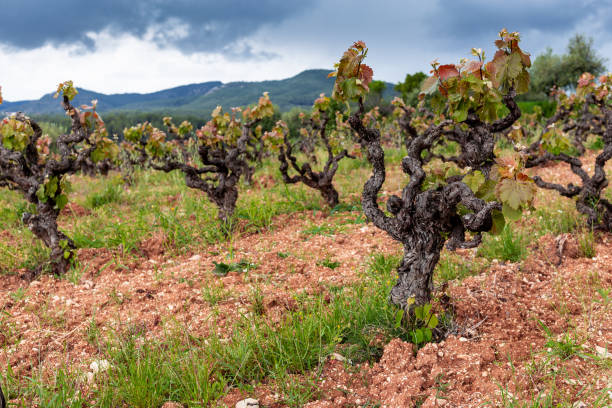
Tempranillo performs best in well-drained, poor-quality soils that naturally limit vine vigor and promote concentrated fruit expression. Limestone-rich clay soils, common in Ribera del Duero, provide water retention during dry periods while encouraging deep root development.
In Rioja, alluvial and ferrous clay soils contribute to structured, age-worthy wines with nuanced mineral notes. The grape also adapts well to sandy and gravelly soils, which enhance drainage and reduce disease risk, though these may yield lighter-bodied wines.
Soil pH between 6.5 and 8.0 supports optimal nutrient uptake, particularly potassium and magnesium, which influence acidity and tannin structure. Vineyards planted on shallow, rocky substrates further stress vines, resulting in smaller berries with thicker skins—ideal for color and tannin extraction.
Avoid heavy, water-retentive soils that encourage excessive canopy growth and dilute flavor. Strategic rootstock selection can help tailor vine performance to specific soil types, maximizing Tempranillo’s potential for balance and complexity.
Harvest Timing and Ripening Traits
Tempranillo is an early-ripening variety, typically harvested in late September to early October in the Northern Hemisphere, depending on climate and desired wine style. Despite its name—derived from *temprano*, meaning “early”—achieving balanced ripeness requires careful monitoring, as sugar levels can rise quickly while acidity drops.
Ideal harvest timing captures full phenolic maturity—ripe tannins and deep color—without excessive alcohol or loss of freshness. In warmer regions, early picking preserves acidity and avoids over-extraction of harsh tannins. Conversely, in cooler areas, extended hang time enhances flavor development.
Berry size and skin thickness directly influence concentration and aging potential, with smaller berries preferred for premium wines. Growers often use selective harvesting or multiple passes through the vineyard to ensure only optimally ripe clusters are picked.
Monitoring Brix, pH, and tannin ripeness—not just sugar—is key to crafting structured, harmonious Tempranillo wines ready for aging or early enjoyment.
Top Regions Where Tempranillo Is Grown
Ribera del Duero, Spain
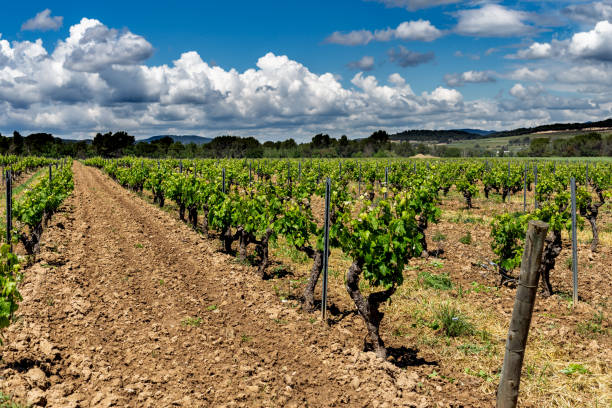
Ribera del Duero is one of Spain’s most prestigious wine regions and a global epicenter for high-quality Tempranillo. Located along the Duero River in northern Spain, this region’s extreme continental climate—with hot days and cool nights—allows Tempranillo grapes to develop deep color, concentrated flavors, and balanced acidity.
The resulting wines are often full-bodied, age-worthy, and rich in dark fruit, spice, and oak-derived notes from extended barrel aging. Winemakers here typically use the local clone called Tinto Fino or Tinta del País, which is a hardier, earlier-ripening version of Tempranillo.
For wine lovers seeking powerful, structured reds, Ribera del Duero offers some of the finest expressions of the varietal, often compared to top-tier Bordeaux or Napa Cabernets.
Rioja, Spain
Rioja is Spain’s most famous wine region and the historic home of Tempranillo, where it thrives in three distinct subzones: Rioja Alta, Rioja Alavesa, and Rioja Baja.
The region’s moderate climate and diverse soils contribute to Tempranillo’s balanced structure, producing wines that range from fruity and approachable to complex and long-aging. Traditional Rioja wines are aged extensively in American oak barrels, imparting flavors of vanilla, coconut, and spice.
Modern styles focus more on fruit purity and French oak influence. Tempranillo, often blended with Garnacha, Graciano, and Mazuelo, forms the backbone of Rioja’s red wines. For those discovering Tempranillo, Rioja offers an ideal starting point to explore its versatility and aging potential.
Other Spanish Regions Producing Tempranillo
Beyond Rioja and Ribera del Duero, Tempranillo is widely cultivated across Spain, adapting impressively to diverse climates and terroirs. In Castilla-La Mancha, it’s known as Cencibel and produces lighter, fruit-forward wines ideal for early consumption. Navarra blends Tempranillo with international varieties for modern, approachable reds.
In Penedès, it’s used in both still and sparkling red Cava. Valdepeñas, another key region, crafts robust, oaked Tempranillos with good value and aging potential. These regions showcase the grape’s remarkable adaptability and broad appeal across Spain.
For wine enthusiasts, exploring Tempranillo from lesser-known areas offers affordable, high-quality alternatives to the more famous regions while still delivering classic characteristics like red fruit, earthiness, and smooth tannins.
Tempranillo Production Outside of Spain
Tempranillo is gaining global recognition, with successful plantings in Portugal, the United States, Argentina, Mexico, and Australia. In Portugal, it’s known as Tinta Roriz or Aragonês and plays a key role in Port wine and Douro red blends.
California and Oregon have embraced the grape, producing softer, fruit-driven styles with earlier ripening than in Spain. Argentine producers in Mendoza craft ripe, full-bodied versions benefiting from high-altitude vineyards. Mexican winemakers in Baja California are also achieving acclaim for balanced, expressive Tempranillos.
These international expressions offer new interpretations of the varietal, often with bolder fruit profiles and less oak influence. For adventurous drinkers, non-Spanish Tempranillo provides exciting, accessible alternatives that highlight the grape’s global potential.
How Tempranillo Wine Tastes
Flavor Profile and Aroma Notes
Tempranillo is a medium- to full-bodied red wine known for its balanced acidity and soft tannins, making it smooth and approachable. On the nose, it offers vibrant aromas of red and black fruits like cherry, plum, raspberry, and blackberry.
Depending on the region and climate, you may also detect earthy undertones, leather, tobacco, and subtle spice notes such as clove or cinnamon. Cooler climate expressions can highlight brighter fruit and higher acidity, while warmer regions bring out riper, jammy characteristics.
Oak aging often adds layers of vanilla, cedar, and dill. These aromatic and flavor elements combine to create a complex yet harmonious profile that appeals to both new and experienced wine drinkers. Understanding these traits helps in selecting food pairings and identifying quality bottles.
Aging Effects on Tempranillo Flavor
Aging significantly transforms Tempranillo’s flavor profile, especially when matured in oak barrels. During aging, the wine develops deeper complexity, with primary fruit notes evolving into dried fruit, fig, leather, and tobacco. Oak imparts vanilla, coconut, and baking spice characteristics, while extended aging softens tannins and integrates acidity.
In Spain, aging classifications like Crianza, Reserva, and Gran Reserva indicate time spent in barrel and bottle, directly influencing flavor development.
Crianza wines (aged at least one year in oak) show early oak influence, while Gran Reserva bottles (aged up to three years in oak and several more in bottle) offer profound depth and elegance.
These aging processes create a sophisticated, layered wine ideal for sipping slowly and appreciating its evolution in the glass.
Young vs Aged Tempranillo Comparison
Young Tempranillo, often labeled as Joven, showcases bright fruit flavors, crisp acidity, and minimal oak influence, delivering a fresh, vibrant drinking experience. These wines emphasize cherry, strawberry, and red plum, with a lighter body and lively mouthfeel.
In contrast, aged Tempranillo develops greater structure, complexity, and smoother texture due to extended time in oak and bottle. Flavors shift toward dried fruit, leather, tobacco, and spice, with integrated tannins and a longer finish.
While young versions are best enjoyed within a few years of release, aged Tempranillos can evolve for decades. Choosing between young and aged depends on preference—opt for youthful bottles for casual enjoyment and aged expressions for contemplative sipping or special occasions. Both styles reflect the grape’s remarkable versatility.
Food Pairing Suggestions
Tempranillo’s balanced acidity, moderate tannins, and savory notes make it a versatile companion to a wide range of dishes. It pairs exceptionally well with grilled meats like lamb, beef, and chorizo, where its structure stands up to rich, smoky flavors.
The wine’s earthy and spicy nuances complement Spanish tapas, including patatas bravas, Manchego cheese, and stuffed olives. For pasta or roasted vegetables, choose a younger Tempranillo to match brighter acidity with tomato-based sauces. Aged Tempranillo excels with slow-cooked stews, mushroom risotto, or game meats, enhancing umami and depth.
Avoid overly spicy or sweet dishes, which can overpower the wine. Vegetarian options like grilled portobello mushrooms or lentil stew also work well. Ultimately, Tempranillo’s harmonious profile makes it a go-to choice for diverse cuisines and shared meals.
Tempranillo in Winemaking
Fermentation and Maceration Techniques
During fermentation, Tempranillo grapes are typically processed at controlled temperatures between 26–30°C (79–86°F) to preserve fruit character while extracting color and tannins. Punching down or pump-overs are commonly used to enhance skin contact, promoting structure and depth.
Extended maceration—allowing the wine to remain in contact with skins post-fermentation—can add complexity and soften tannins. Winemakers often adjust techniques based on the desired wine style: cooler fermentations highlight red fruit notes like cherry and raspberry, while longer macerations build body for age-worthy wines.
Careful temperature control and timing are critical for balancing acidity and alcohol, ensuring Tempranillo expresses its signature elegance and structure without overpowering the palate.
Use of Oak Aging in Tempranillo Wines
Oak aging plays a defining role in shaping Tempranillo’s profile, especially in Spanish regions like Rioja and Ribera del Duero. Wines are often aged in American or French oak barrels, each imparting distinct characteristics—American oak adds vanilla and coconut notes, while French oak contributes subtler spice and silkier tannins.
Crianza, Reserva, and Gran Reserva classifications reflect mandatory aging periods, with Gran Reserva requiring at least two years in oak. This aging softens tannins, integrates flavors, and develops complex aromas of tobacco, leather, and dried fruit. Micro-oxygenation during barrel aging further refines texture.
The choice of oak type, toast level, and aging duration allows winemakers to tailor Tempranillo’s balance between fruit expression and savory, earthy complexity.
Blending Practices with Other Grapes
While Tempranillo often shines as a standalone varietal, it is frequently blended to enhance structure, aroma, and aging potential. In Rioja, it’s commonly paired with Garnacha (Grenache), which adds body and red fruit intensity, and Mazuelo (Carignan) or Graciano, which contribute tannin, acidity, and aromatic lift.
In Ribera del Duero, it may be blended with Cabernet Sauvignon or Merlot to deepen color and add structure. These complementary varieties help balance Tempranillo’s moderate acidity and alcohol. Blending ratios are carefully calibrated—often with Tempranillo as the dominant grape—to achieve harmony.
This synergistic approach allows winemakers to craft more complex, layered wines that maintain regional authenticity while appealing to diverse palates.
Modern vs Traditional Winemaking Styles
The winemaking of Tempranillo reflects a dynamic contrast between traditional and modern approaches. Traditional methods emphasize long oak aging in large, older American barrels, producing wines with earthy, leathery notes and soft tannins—exemplified by classic Rioja.
In contrast, modern winemakers favor temperature-controlled fermentation, shorter maceration, and aging in smaller French oak barrels, highlighting fresh fruit, color intensity, and structured tannins, as seen in Ribera del Duero. Some producers now blend both styles, using modern techniques for vibrancy and traditional aging for complexity.
This evolution allows greater stylistic diversity, appealing to both classic and contemporary wine drinkers. The choice between styles ultimately depends on terroir expression, market preference, and aging goals, showcasing Tempranillo’s remarkable adaptability.
How to Buy and Store Tempranillo
Reading Spanish Wine Labels for Tempranillo
Understanding Spanish wine labels is key to identifying quality Tempranillo. Look for the word ‘Tempranillo’ on the label, though it may also be called ‘Tinto Fino’ or ‘Tinta del País’ in certain regions. Denominación de Origen (DO) or DOCa (like Rioja or Ribera del Duero) indicates regulated quality and origin.
Wines labeled Crianza, Reserva, or Gran Reserva denote aging requirements—Crianza means at least two years aging with one in oak, Reserva requires three years with one in oak, and Gran Reserva means five years with two in oak. These classifications help assess depth and complexity.
Check the vintage year to determine age-worthiness. Familiarity with regional terms ensures you select authentic, well-made Tempranillo.
Best Price Ranges for Quality Tempranillo
You can find excellent Tempranillo across several price points, but $15–$25 offers the best value for everyday quality. At this range, expect well-balanced wines from reputable DO regions like Rioja or Navarra. Crianza-level Tempranillos often deliver great flavor and structure without breaking the bank.
For Reserva and Gran Reserva wines, expect to pay $30–$60, where extended aging enhances complexity and smoothness. Entry-level bottles under $15 can be enjoyable but may lack depth. Avoid ultra-cheap bulk wines, as they often compromise on grape quality. Investing slightly more ensures better winemaking practices and aging.
Look for high ratings or trusted producers to maximize value within these price ranges.
Proper Storage Conditions
To preserve Tempranillo’s quality, store bottles horizontally in a cool, dark place to keep the cork moist and prevent oxidation. Ideal storage temperature is 55°F (13°C) with consistent humidity around 70%. Avoid temperature fluctuations, direct sunlight, and strong odors, which can degrade wine over time.
Younger Crianza or Reserva Tempranillos benefit from short-term aging (1–5 years), while Gran Reserva bottles can improve for 10+ years under proper conditions. Use a wine fridge or cellar if available. Even short-term storage should avoid heat sources like kitchens or garages.
Proper storage ensures the wine maintains its aromas of red fruit, vanilla, and spice developed during oak aging.
When to Drink Tempranillo Wines
The ideal time to drink Tempranillo depends on its aging classification. Crianza wines are ready to enjoy upon release and best consumed within 3–5 years for vibrant fruit flavors. Reserva Tempranillos, with more structure and oak influence, peak between 5–10 years and benefit from decanting before serving.
Gran Reserva wines, built for aging, reach their prime at 10–20 years and develop complex notes of leather, tobacco, and dried fruit. Younger, unoaked styles should be enjoyed early for freshness. Check the vintage and producer recommendations for guidance. Serving at slightly below room temperature (60–65°F) enhances balance.
Drinking at the right time ensures the best expression of this iconic Spanish grape.
Popular Tempranillo Wine Brands and Bottles
Top Rioja Producers and Their Flagship Wines
Rioja is the heartland of Tempranillo, and several iconic producers craft some of the most celebrated expressions of this Spanish grape.
Bodegas Marqués de Murrieta and CVNE (Compañía Vinícola del Norte de España) are renowned for their long-aged Reserva and Gran Reserva wines, offering rich layers of red fruit, vanilla, and spice from extended oak aging.
López de Heredia stands out for its traditional methods, producing structured, age-worthy wines like Viña Tondonia. These flagship bottles highlight Tempranillo’s elegance and aging potential. When exploring Rioja, look for classification terms like Crianza, Reserva, and Gran Reserva, which indicate minimum aging periods.
Choosing from these top producers ensures a consistent, high-quality experience rooted in centuries of winemaking tradition.
Leading Ribera del Duero Brands
Ribera del Duero has emerged as a powerhouse for bold, structured Tempranillo wines, often labeled as Tinto Fino or Tinta del País locally. Vega Sicilia leads the region, producing legendary wines like Único, which blend power and finesse with decades of aging potential.
Alejandro Fernández’s Pesquera is another benchmark, offering concentrated dark fruit, firm tannins, and excellent balance. Dominio de Pingus commands attention with its ultra-premium, limited-production wines that showcase the grape’s intensity and complexity. These premium brands emphasize terroir, altitude, and meticulous vineyard management.
For wine lovers seeking full-bodied, age-worthy reds, Ribera del Duero’s top producers deliver exceptional quality and depth, making them must-try expressions of Tempranillo.
Value Picks Under $20
You don’t need to splurge to enjoy high-quality Tempranillo—several excellent value-driven options deliver authentic Spanish character under $20. Campo Viejo Crianza offers vibrant cherry and vanilla notes with smooth tannins, perfect for everyday enjoyment. Montecillo Crianza delivers classic Rioja charm with balanced oak and red fruit.
From Ribera del Duero, Protos Roble provides a fruit-forward, youthful expression with subtle wood influence. These budget-friendly bottles are ideal for casual dinners or introducing newcomers to the varietal. Look for Crianza-level wines, which offer a sweet spot between aging and affordability.
With reliable quality and wide availability, these picks prove that great Tempranillo doesn’t have to be expensive—making them smart staples for any wine collection.
Awards and Recognition for Spanish Tempranillo
Tempranillo has earned global acclaim through prestigious awards and high scores from top wine critics. Wines like Vega Sicilia Único and Dominio de Pingus regularly receive 95+ points from Robert Parker and Wine Spectator, cementing their status as world-class reds.
Spanish Denominaciones de Origen (DOs) such as Rioja and Ribera del Duero have also gained international recognition for quality control and tradition. Competitions like the Decanter World Wine Awards and Mundus Vini frequently honor Tempranillo-based wines for their complexity, balance, and aging potential.
These accolades validate Spain’s mastery of the varietal and help elevate its reputation beyond borders. For consumers, award-winning bottles serve as trusted indicators of excellence, making it easier to discover outstanding Tempranillo with confidence and consistency.
Frequently Asked Questions
What is Tempranillo?
Tempranillo is a black grape variety widely grown in Spain and used primarily in the production of red wine. It is known for producing medium- to full-bodied wines with flavors of red and black fruits, leather, and tobacco.
Where does Tempranillo originate?
Tempranillo originates from Spain and is the country’s most prominent red grape variety. It thrives in regions like Rioja and Ribera del Duero, where it produces some of Spain’s most celebrated wines.
What does Tempranillo wine taste like?
Tempranillo wines typically feature flavors of cherry, plum, tomato, vanilla, and spice, especially when aged in oak. As the wine ages, it can develop more complex notes of leather, tobacco, and dried fruit.
Is Tempranillo a sweet or dry wine?
Tempranillo is typically made in a dry style, with moderate to high tannins and balanced acidity. It is not considered a sweet wine, though some younger versions may have ripe fruit flavors that give a perception of sweetness.
How should Tempranillo be served?
Serve Tempranillo slightly below room temperature, around 60–65°F (15–18°C), to bring out its full range of flavors and soften its tannins. Use a red wine glass with a broad bowl for best results.
What foods pair well with Tempranillo?
Tempranillo pairs well with grilled meats, roasted lamb, chorizo, paella, and aged cheeses. Its balanced acidity and tannin structure make it versatile with savory, moderately rich dishes.
How does aging affect Tempranillo?
Aging, especially in oak barrels, adds complexity to Tempranillo, introducing notes of vanilla, spice, and cedar. Wines labeled as Crianza, Reserva, or Gran Reserva indicate increasing levels of aging and depth of flavor.
Conclusion
Tempranillo is a renowned red wine grape originating from Spain, celebrated for its rich flavor profile of cherry, plum, and subtle earthy notes. It thrives in diverse climates, producing wines that range from youthful and fruity to complex and aged. Often the backbone of Rioja and Ribera del Duero wines, Tempranillo pairs beautifully with a variety of foods. Discovering Tempranillo offers wine lovers a taste of Spanish tradition and versatility—explore a bottle today and savor its timeless appeal.