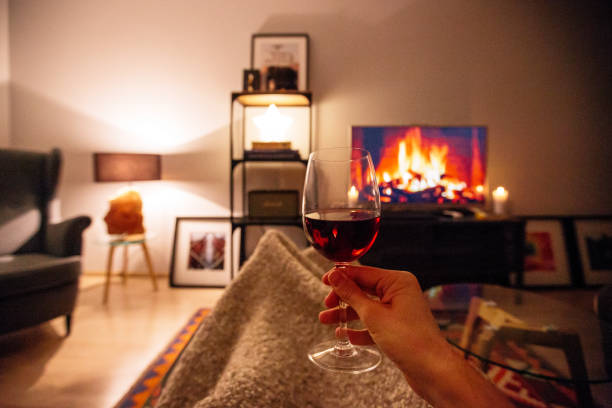
Wine Temperature For Red Wine
Wondering what the perfect wine temperature for red wine is? You’re not alone—many people serve reds too warm, dulling their flavor. The sweet spot? Most red wines shine between 60–68°F (15–20°C). Lighter reds like Pinot Noir love the cooler end, while bold types like Cabernet Sauvignon prefer it slightly warmer. Serving at the right temp enhances aroma, balance, and enjoyment. Keep reading—we’ll break down ideal temps for popular reds and share easy chilling tips.
What Is the Ideal Serving Temperature for Red Wine
How Temperature Affects Red Wine Flavor
The serving temperature of red wine significantly influences its aroma, flavor, and mouthfeel. When served too warm, alcohol becomes more pronounced, overpowering delicate notes and making the wine taste unbalanced. Conversely, if served too cold, the wine’s aromas and flavors remain muted, and tannins can feel harsher.
The ideal temperature unlocks the wine’s full sensory profile, allowing fruit, spice, and earthy notes to express themselves harmoniously. Cooling red wine slightly enhances its freshness and structure, especially in fuller-bodied varieties. Temperature acts as a balancing tool, softening high alcohol and taming aggressive tannins.
For most reds, a range between 55°F and 65°F (13°C–18°C) brings out complexity without dulling character. Serving at the right temperature ensures a smoother, more nuanced drinking experience, making it easier to appreciate the craftsmanship behind the bottle. Always adjust based on the specific wine style for best results.
Common Myths About Red Wine Serving Temperature
One widespread myth is that all red wines should be served at ‘room temperature’—a notion rooted in pre-central heating European homes, where rooms were around 60–65°F (15–18°C), not today’s warmer indoor environments. Serving modern reds at 70°F+ dulls their complexity and amplifies alcohol heat.
Another misconception is that chilling red wine is wrong, but brief refrigeration can enhance lighter reds like Pinot Noir or Gamay. Some believe temperature only matters for white wines, but red wine benefits equally from proper chilling.
Additionally, taking a red straight from a warm room or cellar isn’t ideal—small adjustments make a big difference. Lastly, the idea that temperature doesn’t affect aging potential is false; consistent, cool storage preserves quality.
Debunking these myths helps wine lovers enjoy reds as intended by winemakers, with vibrant aromas and balanced structure.
Red Wine Types and Their Ideal Temperature Ranges
Different red wines shine at specific temperatures. Light-bodied reds like Pinot Noir and Beaujolais taste best at 55–60°F (13–15°C), preserving their bright acidity and red fruit notes. Medium-bodied wines such as Merlot, Sangiovese, and Tempranillo perform well at 60–65°F (15–18°C), balancing fruit expression with soft tannins.
For full-bodied reds like Cabernet Sauvignon, Syrah, and Malbec, aim for 62–65°F (17–18°C) to tame alcohol heat and highlight depth without overwhelming the palate. Over-chilling heavy reds masks complexity, while serving light reds too warm makes them flabby.
Use a refrigerator to cool wines for 15–30 minutes before serving, or an ice bucket for quicker adjustment. Temperature precision elevates enjoyment, letting each varietal express its true character. When in doubt, start cooler—wine warms in the glass—but avoid overheating to maintain balance and freshness.
How to Chill Red Wine to the Right Temperature
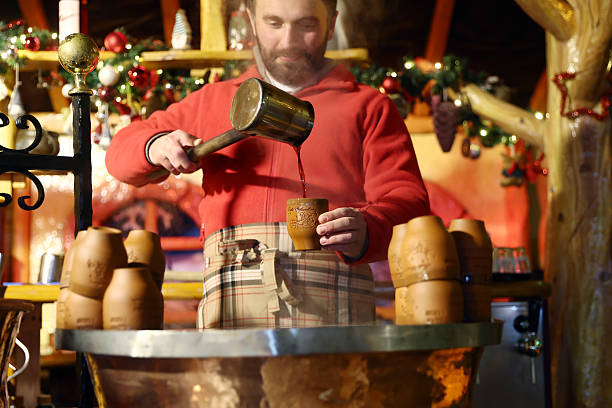
Using a Refrigerator to Cool Red Wine
To properly chill red wine using a refrigerator, start with room-temperature wine and place it in the main compartment (not the freezer) for 1.5 to 2.5 hours, depending on the varietal.
Lighter reds like Pinot Noir benefit from cooler temps around 55°F (13°C), while fuller-bodied reds like Cabernet Sauvignon are best at 60–65°F (15–18°C). Use a wine thermometer for accuracy, or rely on time-based estimates. Avoid over-chilling, as excessively cold temperatures mute aromas and flatten flavors.
If your wine gets too cold, let it sit at room temperature for 10–15 minutes before serving. Refrigeration offers consistent, gentle cooling without shocking the wine.
For frequent red wine drinkers, consider dedicating a lower shelf to wine storage to maintain a slightly warmer, more consistent zone than the back of the fridge.
Quick Methods to Chill Red Wine Fast
When you need to chill red wine quickly, the ice bucket method is your best bet. Fill a bucket with equal parts ice and water, then submerge the bottle for 15 to 20 minutes—the water conducts cold more efficiently than ice alone.
For even faster results, wrap the bottle in a damp towel and place it in the freezer for 10–15 minutes, checking frequently to prevent freezing. Another fast technique is pouring a glass and adding a wine-safe ice cube made from frozen red wine to avoid dilution.
Never leave wine in the freezer longer than 20 minutes, as pressure from freezing can push the cork or crack the bottle. These methods are ideal for last-minute guests or forgotten bottles, delivering rapid, controlled cooling while preserving flavor integrity. Always monitor the temperature closely.
How Long to Chill Red Wine Before Serving
The ideal chilling time for red wine depends on the starting temperature and the method used. If pulling a bottle from room temperature (around 70°F), refrigerate for 90 minutes to reach 55–60°F, perfect for lighter reds. Fuller reds may only need 45–60 minutes to hit the 60–65°F sweet spot.
For quick chilling, 15 minutes in an ice-water bath is sufficient. If the wine was stored in a cool cellar or wine fridge, it may only need 10–15 minutes at room temp to warm slightly into the ideal range.
Use a wine thermometer to verify—this small tool prevents under- or over-chilling. Serving red wine too warm emphasizes alcohol and dulls fruit notes, while too cold masks aroma and body. Adjust timing based on wine style and ambient temperature, ensuring optimal balance and enjoyment.
Best Ways to Store Red Wine Before Serving
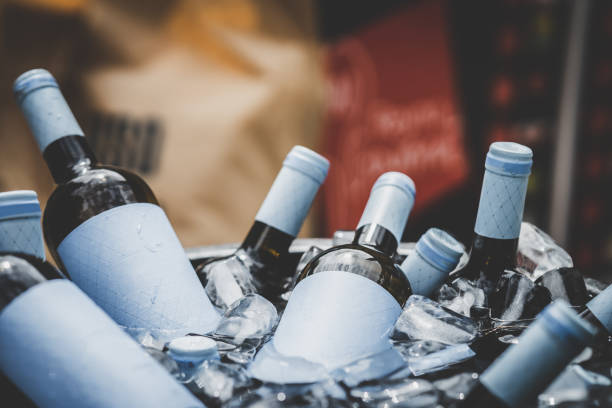
Ideal Room Temperature for Red Wine Storage
The ideal room temperature for storing red wine before serving is between 55°F and 65°F (13°C–18°C). This range helps preserve the wine’s flavor, aroma, and balance, preventing it from aging too quickly or becoming flat.
Avoid storing red wine at typical room temperatures above 70°F, as excessive warmth accelerates oxidation and can damage delicate compounds. For short-term storage—up to a few days—keeping the bottle in a cool, dark place like a closet or pantry is sufficient.
Always store bottles horizontally to keep the cork moist and maintain a tight seal, preventing air from spoiling the wine. If your home tends to be warm, consider chilling the wine slightly before serving to bring it back into the ideal range.
Serving temperature matters, and starting with proper storage ensures your red wine expresses its full character when opened.
Using a Wine Fridge for Consistent Results
A wine fridge or wine cooler is one of the best tools for maintaining optimal storage conditions for red wine. Unlike regular refrigerators, wine fridges maintain a consistent temperature between 55°F and 65°F, ideal for reds, while also controlling humidity to prevent corks from drying out.
These units offer stable, vibration-free environments that protect wine from temperature fluctuations and agitation, both of which can disrupt aging and degrade quality. Dual-zone wine fridges allow you to store reds and whites at their respective ideal temperatures.
For long-term storage or frequent wine enjoyment, investing in a wine fridge ensures every bottle is perfectly conditioned before serving. Set the unit to 60°F for versatile red wine storage, and allow bottles to sit for at least 24 hours after placement to stabilize.
This method delivers reliable, restaurant-quality results every time.
Avoiding Heat and Light Damage to Red Wine
Protecting red wine from heat and light exposure is essential for preserving its quality before serving. Prolonged exposure to temperatures above 70°F can cause wine to expand, push out the cork, and lead to oxidation or ‘cooked’ flavors.
Similarly, UV rays from sunlight or fluorescent lighting can degrade organic compounds in wine, resulting in off-flavors and premature aging. Always store red wine in a cool, dark place—such as a basement, closet, or wine cabinet—away from windows, stoves, or heating vents. Use opaque or wooden storage containers if necessary.
Even short-term exposure to heat and light can impact delicate reds like Pinot Noir or aged Bordeaux. By minimizing these risks, you maintain the wine’s aromatic complexity and structural integrity. Remember: consistency and protection are key to serving red wine at its best.
Serving Red Wine at Home: Practical Tips
Choosing the Right Glassware for Red Wine
Selecting the appropriate glassware enhances the red wine experience by directing the wine to the right part of your palate and allowing proper aeration. Use a large-bowled glass for full-bodied reds like Cabernet Sauvignon or Syrah, as the wide bowl promotes oxidation, softening tannins and releasing complex aromas.
For lighter reds such as Pinot Noir, opt for a slightly tapered bowl to concentrate delicate floral and fruit notes. Ensure the glass has a stem to prevent your hand from warming the wine, which can disrupt the ideal serving temperature between 60–65°F (15–18°C).
Crystal glasses are preferable over regular glass due to their thin rim and enhanced aroma diffusion. Avoid overfilling—pour only one-third full—to allow swirling without spills. Proper glassware not only elevates flavor and aroma but also adds elegance to your home wine service, making every pour feel intentional and enjoyable.
Decanting Red Wine at the Correct Temperature
Decanting red wine properly begins with serving at the ideal temperature range of 60–65°F (15–18°C), which preserves balance and prevents alcohol from overpowering the palate. Before decanting, chill fuller-bodied reds slightly if they’ve been stored at room temperature, as many homes exceed the ideal range.
Pour slowly into the decanter to separate sediment and initiate aeration. Young, tannic wines benefit most from decanting, as exposure to air softens harsh edges and opens up aromas. For older vintages, decant just before serving to avoid losing delicate nuances.
Use a candle or light source beneath the bottle neck to spot sediment during pouring. Avoid decanting too early—timing matters. Most reds improve within 30 minutes to two hours of aeration. This process not only enhances flavor but ensures the wine’s character shines through at its best temperature and clarity.
How Long Red Wine Stays Good After Opening
Once opened, red wine typically stays fresh for 3 to 5 days when stored properly, though this varies by body and tannin level. Fuller-bodied reds like Malbec or Nebbiolo last longer due to higher tannin and acidity, which act as natural preservatives.
To maximize longevity, recork the bottle or use a wine stopper and store it in the refrigerator—this slows oxidation and preserves the ideal flavor profile. Remove the wine 30 minutes before serving to bring it back to the optimal 60–65°F (15–18°C) range.
Lighter reds, such as Beaujolais, degrade faster and should be consumed within 2–3 days. For extended freshness, consider a vacuum pump or inert gas preserver to minimize air exposure. Avoid leaving open bottles at room temperature, especially in warm environments, as heat accelerates spoilage.
Monitoring aroma and taste daily helps determine freshness.
Temperature Guidelines for Different Red Wine Varietals
Serving Temperature for Cabernet Sauvignon
Cabernet Sauvignon, known for its bold structure and rich tannins, performs best when served slightly below room temperature. The ideal range is 60–65°F (15–18°C), which allows the wine’s complex layers of dark fruit, spice, and oak to express fully without amplifying alcohol heat.
Serving too warm can make the tannins feel harsh and the finish overly alcoholic, while too cold mutes its aromatic profile. To achieve this temperature, refrigerate the bottle for 30–45 minutes before serving if stored at room temperature.
For long-term cellaring, keep bottles at a consistent 55°F (13°C) with moderate humidity. When in doubt, err on the cooler side—warmer wine can always warm in the glass, but over-chilled wine takes time to recover. Using a wine thermometer ensures precision, especially for high-quality vintages where balance is critical.
Best Temperature for Merlot and Pinot Noir
Merlot and Pinot Noir benefit from slightly cooler serving temperatures to highlight their fruit-forward profiles and smooth textures. Aim for 60–64°F (15–18°C) for Merlot and 55–60°F (13–15°C) for Pinot Noir.
These ranges preserve freshness and acidity while softening Merlot’s moderate tannins and enhancing Pinot Noir’s delicate red fruit and earthy notes. Over-chilling can suppress aroma, while excessive warmth brings out alcohol and dulls vibrancy.
For Pinot Noir, especially from cooler climates, a quick 15–20 minute chill in the fridge is often sufficient. Merlot may need only 10–15 minutes if stored at room temperature. Decanting at proper temperature helps open up aromas without thermal shock.
These nuanced reds shine when served cool enough to refresh but warm enough to express their elegance—temperature control is key to unlocking their full potential.
Cooler Temps for Lighter Reds Like Gamay
Light-bodied reds like Gamay, especially Beaujolais, thrive when served cooler than traditional reds, ideally between 50–55°F (10–13°C). This temperature range enhances their bright acidity, vibrant red fruit flavors, and crisp finish, mimicking the refreshing quality of chilled rosé. Serving Gamay too warm emphasizes alcohol and flattens its lively character.
A 20–30 minute refrigeration period before serving brings it to optimal chill—no need for room temperature storage. These wines are best enjoyed young and fresh, so avoid over-decanting or prolonged aeration. The cooler serve makes Gamay a versatile choice for warm weather or lighter dishes like charcuterie, poultry, or salads.
Think of it as a ‘chillable red’—a category gaining popularity for its approachability and food-friendliness. Precision in temperature ensures maximum enjoyment of its juicy, low-tannin profile.
Common Mistakes When Serving Red Wine
Serving Red Wine Too Warm
One of the most common mistakes is serving red wine too warm, which can make the alcohol taste overpowering and mask the wine’s nuanced flavors. Ideal serving temperatures for most red wines range between 60°F and 68°F (15°C–20°C), cooler than typical room temperature in many homes.
When reds are too warm, the balance between fruit, tannin, and acidity shifts, resulting in a flat or overly alcoholic taste. Lighter reds like Pinot Noir or Gamay should be served at the cooler end of the spectrum, around 55°F–60°F, to preserve their freshness.
To avoid this mistake, refrigerate the bottle for 15–20 minutes before serving if it’s been stored at room temperature. This small adjustment enhances aroma and structure, delivering a more enjoyable tasting experience. Never assume room temperature is correct—adjust based on the wine style and ambient conditions.
Over-Chilling Full-Bodied Reds
While chilling red wine can improve balance, over-chilling full-bodied reds like Cabernet Sauvignon or Syrah can suppress their complex aromas and make tannins feel harsher. These robust wines perform best between 62°F and 68°F (16°C–20°C), allowing their rich flavors and structure to express fully.
When served too cold, the wine’s bouquet becomes muted, and the mouthfeel turns overly astringent. Avoid placing full-bodied reds in the freezer or ice bucket for extended periods—even 10–15 minutes can drop the temperature too far.
Instead, use a wine thermometer to monitor the temperature and remove the bottle from cold environments promptly. If the wine is too cold, let it sit at room temperature for 10–15 minutes to warm slightly. Proper temperature preserves the wine’s depth and ensures a smooth, layered tasting experience.
Using the Wrong Tools to Measure Temperature
Many wine lovers rely on guesswork or ambient conditions to judge red wine temperature, leading to inconsistent results. A dedicated wine thermometer is the most accurate tool for ensuring your reds are served at their ideal range.
Without precise measurement, it’s easy to misjudge, especially when transitioning from cellar to table. Digital probe thermometers or infrared devices offer quick, reliable readings without disturbing the wine. Avoid relying solely on touch or time in the fridge—these methods lack precision.
Investing in a simple, affordable thermometer helps maintain consistency across different wine styles and serving environments. For best results, insert the thermometer into the wine briefly just before serving.
This small step ensures you’re not masking delicate notes or amplifying alcohol due to incorrect temperature, ultimately enhancing every glass with professional-level care and attention.
Tools and Gadgets for Perfect Red Wine Temperature
Best Wine Thermometers for Accurate Readings
Achieving the ideal red wine temperature—typically between 60°F and 68°F—starts with precise measurement, and a reliable wine thermometer is essential. Digital instant-read thermometers offer fast, accurate results within seconds, ensuring your wine isn’t over- or under-chilled. Infrared models allow non-contact temperature checks, perfect for monitoring bottles during decanting.
Look for models with high-contrast displays and waterproof designs for easy cleaning. Some advanced thermometers even sync with smartphone apps to log serving temperatures over time, helping you refine your preferences. For frequent entertainers, a laser-guided thermometer provides pinpoint accuracy without touching the bottle.
Avoid traditional analog thermometers, as they’re slower and less precise. By investing in a quality digital wine thermometer, you gain full control over your serving conditions, unlocking the full aroma and flavor profile of bold Cabernets or delicate Pinot Noirs. Precision starts with the right tool.
Wine Coolers vs. Regular Refrigerators
Storing and serving red wine at the optimal temperature range of 60–68°F requires more than a standard refrigerator, which typically runs at 35–40°F—too cold for most reds. Wine coolers, on the other hand, are designed specifically for wine storage, offering precise temperature control and stable humidity levels.
Dual-zone models allow you to chill whites in one compartment while keeping reds at their ideal warmth. Unlike regular fridges that cause temperature fluctuations every time the door opens, wine coolers maintain consistent conditions, preserving flavor integrity.
They also protect bottles from light and vibration, two factors that can degrade wine quality over time. For serious enthusiasts, a dedicated wine cooler ensures every bottle is served at its peak.
While regular refrigerators are suitable for short-term chilling, they should only be used to slightly cool an over-warm red for 15–20 minutes before serving. For long-term storage and perfect serving temps, a wine cooler is the superior choice.
Smart Decanters That Monitor Temperature
Smart decanters are revolutionizing how we serve red wine by combining aeration with real-time temperature monitoring. These high-tech gadgets feature built-in sensors that display the wine’s current temperature on an LED screen or via a companion app, ensuring it stays within the ideal 60–68°F range.
Some models even alert you when the wine reaches its perfect serving point. Advanced versions regulate temperature using insulated walls or cooling elements, preventing the wine from warming too quickly during service.
This is especially useful for full-bodied reds like Syrah or Malbec, which can lose complexity if served too warm. Automatic pour control and sediment detection add extra convenience, enhancing both taste and presentation. While traditional decanting improves flavor through aeration, smart decanters elevate the experience with precision and consistency.
They’re ideal for hosting, eliminating guesswork and impressing guests with perfectly tempered wine every time. For tech-savvy wine lovers, a smart decanter is a game-changer.
Frequently Asked Questions
What is the ideal serving temperature for red wine?
The ideal serving temperature for most red wines is between 60°F and 68°F (15°C to 20°C). Lighter reds like Pinot Noir are best at the cooler end of this range, while fuller-bodied reds like Cabernet Sauvignon can be served slightly warmer.
Can I serve red wine at room temperature?
Traditional ‘room temperature’ (around 70°F/21°C or higher) is often too warm for red wine, causing alcohol to overpower the flavor. It’s better to slightly chill most reds to enhance their balance and aroma.
How do I chill red wine properly?
To chill red wine, place it in the refrigerator for about 15–20 minutes before serving. For quicker cooling, use an ice bucket with water and ice for 5–10 minutes, checking frequently to avoid over-chilling.
What happens if red wine is served too warm?
If red wine is served too warm, the alcohol becomes more pronounced, and the flavors can taste unbalanced and flat. This diminishes the wine’s complexity and overall enjoyment.
Should all red wines be served at the same temperature?
No, different red wines have optimal serving temperatures. Lighter reds like Beaujolais do best at 55–60°F (13–15°C), while robust reds like Syrah or Malbec are ideal at 65–68°F (18–20°C).
How can I tell if my red wine is at the right temperature?
Use a wine thermometer for accuracy, or aim for the feel: the bottle should feel cool but not cold. If the wine smells overly alcoholic or tastes dull, it may be too warm.
Conclusion
Serving red wine at the right temperature enhances its flavor and aroma. Most reds taste best slightly below room temperature, between 60–68°F (15–20°C). Lighter reds like Pinot Noir shine cooler, while fuller-bodied wines like Cabernet Sauvignon prefer the warmer end of the range. Avoid serving too warm, which accentuates alcohol, or too cold, which dulls flavors. Use a refrigerator or ice bucket to fine-tune. Experiment and enjoy the fuller, more balanced experience proper temperature brings.
