How To Make Sparkling Wine At Home
Want to know how to make sparkling wine at home? It’s easier than you think—and way more fun than buying a bottle. With just a few basic ingredients like wine, sugar, and a clean glass bottle, you can create your own bubbly masterpiece in weeks. No fancy equipment needed—just curiosity and a little patience. Let’s get those bubbles flowing!
What Is Sparkling Wine and How It’s Made
Definition of Sparkling Wine
Sparkling wine is any wine that contains significant amounts of carbon dioxide, giving it a bubbly, effervescent quality. This carbonation can occur naturally through fermentation or be added artificially.
The most famous example is Champagne, which comes exclusively from the Champagne region of France and is made using the traditional method. However, sparkling wines are produced worldwide using various techniques and grape varieties, including Chardonnay, Pinot Noir, and local hybrids.
Effervescence is the defining characteristic, contributing to the wine’s lively mouthfeel and celebratory appeal. Sparkling wines range from very dry (brut) to sweet (doux), allowing for diverse palates and pairing options. While commercial production follows strict regulations, home winemakers can craft their own versions using accessible methods.
Understanding the basics of what makes a wine ‘sparkling’ is the first step toward successful home production, emphasizing the importance of controlled fermentation and proper sealing to retain carbonation safely.
The Science Behind Carbonation in Wine
Carbonation in wine results from alcoholic fermentation, where yeast converts sugar into alcohol and carbon dioxide (CO₂). In still wines, CO₂ escapes into the air, but in sparkling wine, it’s trapped under pressure, dissolving into the liquid.
When the bottle is opened, the pressure drops, and CO₂ forms bubbles—a process called nucleation. The key to successful carbonation is ensuring a secondary fermentation occurs in a sealed environment, such as a bottle or pressure-rated container.
Temperature and yeast health are critical: too cold, and fermentation stalls; too warm, and off-flavors develop. Champagne yeast is often preferred at home for its tolerance to high pressure and low temperatures. Monitoring sugar levels is essential to achieve the right pressure (typically 5–6 atmospheres) without risking bottle explosion.
Using proper equipment like pressure-safe bottles and airlocks ensures safety and consistency during this delicate process.
Traditional vs. Home Methods of Production
The traditional method (Méthode Champenoise) involves secondary fermentation in individual bottles, aging on lees for complexity, and labor-intensive riddling and disgorgement. While this produces high-quality sparkling wine, it’s time-consuming and costly. For home winemakers, the Charmat (tank) method or bottle conditioning are more practical.
Bottle conditioning mimics the traditional method on a small scale: after primary fermentation, a dosage of sugar and yeast is added to still wine before bottling. The sealed bottles ferment again, trapping CO₂. After several weeks, the wine is chilled, sediment is removed, and it’s recorked.
The Charmat method uses a pressurized tank for secondary fermentation, then bottling under pressure—ideal for larger batches. Home kits simplify the process with pre-measured ingredients and clear instructions. Regardless of method, sanitation, precise sugar measurement, and pressure-safe containers are vital for success and safety.
Essential Equipment for Homemade Sparkling Wine
Fermentation Vessels and Airlocks
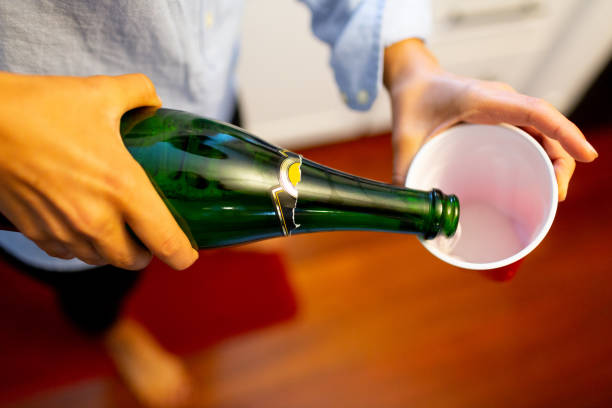
To begin making sparkling wine at home, you need a food-grade fermentation vessel such as a glass carboy or food-safe plastic bucket with a 5–6 gallon capacity. This container holds the primary fermentation where yeast converts sugar into alcohol and CO₂.
A tightly fitted airlock and stopper are essential to allow gases to escape without letting contaminants enter, preventing spoilage. Choose a vessel with a narrow neck for carboys or a lid with a grommet hole for buckets to securely fit the airlock.
Ensure all surfaces are thoroughly sanitized before use to eliminate bacteria and wild yeast. During fermentation, keep the vessel in a cool, dark place with a stable temperature between 60–75°F (15–24°C). The airlock should bubble steadily, indicating active fermentation, which typically lasts 1–2 weeks.
Once bubbling slows, your base wine is ready for the next stage. Using proper fermentation equipment ensures a clean, consistent foundation for your sparkling wine.
Bottling Supplies: Glass Bottles and Closures
After primary fermentation, transfer your wine to strong, pressure-resistant glass bottles designed for sparkling wines, such as champagne or beer bottles. Regular wine bottles may not withstand carbonation pressure and could shatter.
Crown caps are the most reliable closure for home sparkling wine, providing an airtight seal during the secondary fermentation that creates bubbles. Use a handheld bottle capper to securely apply the caps. Before bottling, ensure bottles are meticulously cleaned and sanitized to avoid contamination.
When transferring the wine, add a precise amount of priming sugar (typically 6–8 grams per liter) to each bottle to fuel carbonation. Fill bottles to within an inch of the top and cap immediately.
Store bottles upright in a dark, temperature-stable area (ideally 55–65°F or 13–18°C) for 6–8 weeks to allow carbonation to develop. Proper bottling equipment ensures safety and consistent fizz.
Hydrometer, Thermometer, and Sanitizing Tools
Accurate measurement tools are vital for consistent results in homemade sparkling wine. A hydrometer measures the specific gravity of your wine, helping you track sugar conversion during fermentation and determine when it’s time to bottle. Take readings at the start and end of primary fermentation to confirm fermentation completion.
A fermentation-safe thermometer ensures your wine stays within the ideal temperature range, preventing sluggish or stuck fermentation. Temperature swings can stress yeast, so monitoring is key. Equally important is a no-rinse sanitizer like Star San or iodophor, which eliminates microbes without leaving harmful residues.
Use it on all equipment—vessels, airlocks, siphons, bottles, and utensils—before contact with wine. Never skip sanitation, as even minor contamination can spoil your batch. Keeping these tools on hand and using them correctly ensures a safe, predictable process and high-quality sparkling wine with reliable carbonation and flavor.
Choosing the Right Ingredients
Best Grape Varieties for Sparkling Wine
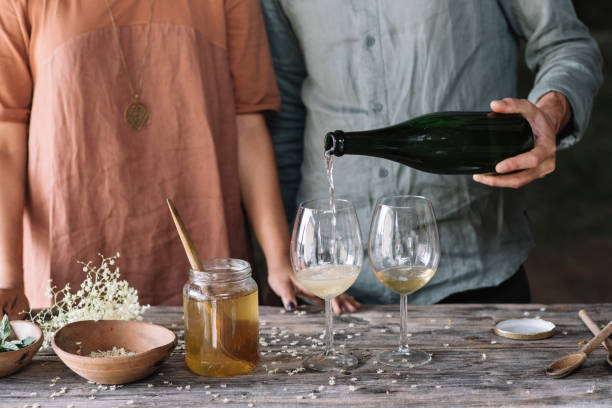
Choosing the right grape varieties is crucial for crafting high-quality sparkling wine at home. Varietals like Chardonnay, Pinot Noir, and Pinot Meunier are traditional choices, prized for their crisp acidity and fine bubbles.
Chardonnay adds elegance and citrus notes, while Pinot Noir contributes body and red fruit character—ideal for blanc de noirs. For home winemakers in cooler climates, hybrid grapes like Seyval Blanc or Vidal Blanc can also perform well, offering balanced acidity and early ripening.
Harvest timing is key: pick grapes slightly early to preserve acidity, which balances sweetness and supports carbonation. Always inspect grapes for ripeness, flavor concentration, and absence of mold. Crushing and pressing gently helps avoid tannin extraction, ensuring a clean base wine.
By selecting sparkling wine-suited varieties and handling them carefully, you lay the foundation for a vibrant, effervescent final product.
Using Juice vs. Fresh Grapes
Home winemakers can choose between fresh grapes and pre-pressed juice, each with distinct advantages. Fresh grapes offer full control over quality, pressing, and fermentation start, allowing for nuanced flavor development. However, they require more equipment, time, and sanitation effort.
On the other hand, sterile, frozen grape juice from reputable suppliers provides a convenient, consistent base—perfect for beginners. Look for 100% grape juice without preservatives like sulfites, which can inhibit fermentation. Juice simplifies the process, eliminating the need for crushing and pressing.
Regardless of your choice, maintaining sanitation is non-negotiable to prevent contamination. Acidity and sugar levels should be tested and adjusted using a hydrometer and acid test kit.
While fresh grapes yield more complexity, quality juice can still produce excellent sparkling wine with less labor—making it a practical, reliable option for consistent results.
Types of Yeast and Sugar for Fermentation
Selecting the appropriate yeast strain and fermentation sugar is essential for successful sparkling wine production. For the initial fermentation, use wine yeast like EC-1118 or Premier Cuvee, known for clean fermentation and high alcohol tolerance. These strains preserve delicate aromas and support secondary fermentation in the bottle.
For the prise de mousse (bottle fermentation), the same yeast can often be used if healthy, but adding a fresh dose ensures reliable carbonation. The dosage—a mixture of sugar and wine added before bottling—triggers the second fermentation. Use dextrose (corn sugar) because it ferments cleanly without off-flavors.
Avoid table sugar, which can produce undesirable byproducts. Typical dosage is 18–24 grams per liter, depending on desired sparkle. Temperature control (12–18°C) during fermentation ensures steady CO2 development. Proper yeast nutrition and avoiding oxygen exposure are vital for clarity and stability.
With the right yeast and sugar, you’ll achieve consistent effervescence and balance in your homemade sparkling wine.
Step-by-Step Guide to Making Sparkling Wine at Home
Preparing the Must and Adding Yeast
Begin by selecting high-quality base wine or fresh grape juice with balanced acidity and sugar levels—this forms the foundation of your sparkling wine. Pour the juice into a sanitized fermenter and measure the specific gravity using a hydrometer; aim for a reading between 1.070 and 1.090 for proper alcohol development.
Adjust sugar if needed using chaptalization, but avoid over-sweetening. Next, add potassium metabisulfite to eliminate wild yeasts, then rehydrate a champagne or sparkling wine yeast strain according to package instructions before pitching. Stir gently to aerate the must, which helps yeast thrive.
Seal the fermenter with an airlock and store in a cool, dark place. Sanitation is critical—any contamination can ruin the batch. Allow 12–24 hours for yeast activation before fermentation begins.
Primary Fermentation: What to Expect
During primary fermentation, the yeast converts sugars into alcohol and carbon dioxide, typically lasting 7 to 14 days. Keep the fermenter at a stable temperature between 60–68°F (15–20°C) to ensure a clean, consistent fermentation.
Monitor activity through bubbling in the airlock; when it slows significantly, take gravity readings on consecutive days. When readings stabilize near 0.990–1.000, primary fermentation is complete. At this stage, the wine will be dry and still—no sparkle yet.
Rack the wine into a sanitized carboy using a siphon, leaving sediment behind. Top up to minimize headspace and fit another airlock. This new vessel prepares the wine for stabilization and the next fermentation phase. Avoid exposure to oxygen to preserve freshness and aroma.
Bottling for Secondary Fermentation
Transfer the wine to a bottling bucket and add a precise dosage of priming sugar—typically 4 to 8 grams per liter—calculated to produce 3–4 volumes of CO₂. Dissolve the sugar in a small amount of boiled, cooled water and mix gently to avoid oxidation.
Use a bottle filler and siphon to fill thick-walled wine or champagne bottles, leaving about 1–2 inches of headspace. Immediately cap with crown caps or secure with proper sparkling wine closures. This step initiates secondary fermentation in the bottle, where trapped CO₂ creates natural carbonation.
Store bottles horizontally in a dark, temperature-stable area around 55°F (13°C). Check occasionally for leaks or pressure buildup. This process takes 4 to 8 weeks, depending on yeast strain and temperature.
Aging and Conditioning the Wine
After secondary fermentation completes, allow the wine to age on the lees for 6 to 12 months to develop complexity, creaminess, and fine bubbles. Store bottles horizontally to keep corks moist and maintain seal integrity.
Over time, yeast cells break down in a process called autolysis, contributing bready, toasty notes characteristic of quality sparkling wine. After aging, riddle the bottles (turn and tilt gradually) to collect sediment in the neck, or skip to disgorging if using a home setup.
Freeze the neck, remove the cap, and let pressure eject the ice plug containing sediment. Top up quickly with dosage liquor (wine + sugar), then cork and wire securely. Let the finished wine rest for 1–3 months before enjoying for optimal integration and sparkle.
Managing Carbonation Safely
How Carbonation Builds in the Bottle
Carbonation in homemade sparkling wine occurs through a process called bottle conditioning, where residual yeast consumes added sugar after the initial fermentation. This secondary fermentation produces carbon dioxide, which dissolves into the wine under pressure, creating bubbles.
To initiate this, use wine-grade yeast that remains active in low-nutrient environments and add a precise amount of priming sugar—typically 1.5 to 2 ounces per gallon—dissolved in boiled water and mixed evenly into the wine before bottling.
The bottles must be sealed airtight with heavy-duty champagne-style bottles and secure closures to withstand internal pressure. Store the bottles at a consistent temperature between 68–72°F (20–22°C) for 1–3 weeks to allow proper carbonation. Avoid fluctuations in temperature, as they can cause uneven fermentation or unpredictable pressure buildup.
Patience is key—rushing this phase increases the risk of bottle bombs or flat wine.
Preventing Over-Pressurization
Over-pressurization is a serious hazard when making sparkling wine at home, potentially leading to bottle explosions that can cause injury or property damage. To prevent this, accurately measure priming sugar using a scale for consistency—too much sugar leads to excessive CO₂ production.
Always use pressure-rated glass bottles designed for sparkling wines, such as thick-walled champagne bottles, and avoid recycled or flawed containers. Store bottles in a cool, dark place away from foot traffic, ideally in a protective container like a plastic bin or wine bag to contain any breakage.
Limit fermentation time during bottle conditioning; most wines carbonate fully within 2–3 weeks. After this period, refrigerate bottles for at least 48 hours before opening to reduce internal pressure. Never shake or agitate bottles during conditioning, and keep them upright to minimize yeast disturbance.
Following these steps ensures safer carbonation with minimal risk.
Testing Carbonation Levels Before Opening
Before opening any bottle of homemade sparkling wine, it’s essential to assess carbonation levels safely to avoid gushers or explosions. One reliable method is the twist test: gently twist the cap of a chilled bottle—if resistance increases and you feel pressure building, carbonation is likely adequate.
For a non-invasive check, use a carbonation gauge designed for homebrewing, which briefly releases a small amount of gas to measure pressure without fully opening the bottle. Alternatively, carefully open one test bottle over a sink, pointing it away from people and using a towel to cover the cap.
Always chill bottles thoroughly before opening, as cold temperatures reduce CO₂ release speed. If the wine foams excessively, refrigerate the remaining bottles longer. If flat, allow more conditioning time. Document your sugar amounts and timelines to refine future batches. Safety first—never open warm or unchilled bottles.
Troubleshooting Common Problems
Dealing with Flat or Low-Bubble Wine
If your homemade sparkling wine lacks fizz, the most likely cause is insufficient sugar at bottling or inadequate fermentation temperature.
To ensure proper carbonation, add the correct amount of priming sugar—typically 1.5 to 2 ounces per gallon—dissolved in a small amount of water and mixed evenly into the wine before bottling.
Use champagne yeast or another strain known for high CO2 production, as some yeasts are not suited for secondary fermentation. Maintain a consistent bottling temperature between 68–75°F (20–24°C) to support active fermentation.
Allow at least 2–3 weeks for carbonation to develop, and store bottles upright initially, then on their side to keep the cork moist. If still flat, carefully open one bottle, add a pinch of fresh yeast with a bit of sugar, and re-seal—though this carries risk of over-carbonation.
Fixing Cloudiness or Sediment Issues
Cloudy wine or excessive sediment often results from incomplete clarification before bottling or yeast autolysis during extended aging. To prevent this, rack the wine carefully multiple times during fermentation to separate it from lees. Use fining agents like bentonite or isinglass to help particles settle.
Cold-stabilize the wine by chilling it for several days before bottling, which encourages tartrate crystals to precipitate out. If cloudiness persists, avoid filtering at bottling unless you have sterile filtration equipment, as it can introduce oxygen.
For sediment in finished bottles, store bottles upright for a few days before opening and pour slowly, leaving the last ounce in the bottle. Using high-quality, sediment-resistant yeast strains and minimizing oxygen exposure also improves clarity and stability over time.
Avoiding Bottle Explosions and Safety Tips
Bottle explosions are dangerous and usually caused by excessive pressure from over-fermentation or weak bottles. Always use thick, pressure-rated glass bottles, such as commercial champagne or beer bottles, and avoid reused grocery store wine bottles. Ensure precise priming sugar measurements to prevent over-carbonation—too much sugar leads to dangerous CO2 buildup.
Use proper crown caps or wired corks designed for sparkling wine. Store bottles in a cool, dark place with protective containment, like a cardboard box or fermentation bucket, to contain any breakage. Never shake bottles during aging, and monitor pressure weekly by gently squeezing plastic test bottles if used.
Wear safety goggles when handling bottles, especially during opening. If you detect bulging caps or hissing upon opening, proceed with extreme caution—these are signs of over-pressurization.
Serving and Storing Your Homemade Sparkling Wine
Best Temperature for Serving
To fully enjoy your homemade sparkling wine, serve it well-chilled between 45°F and 50°F (7°C–10°C). This temperature range preserves the carbonation and enhances the wine’s aromatics while balancing acidity and sweetness.
If the wine is too cold, subtle flavors may be muted; if too warm, bubbles dissipate quickly and the wine tastes flat. To achieve the ideal temperature, refrigerate bottles for at least 4–6 hours before serving.
For faster chilling, use an ice-water bath for 20–30 minutes—this method cools more evenly than a freezer. Avoid prolonged freezing, as it can damage the bottle or alter the wine’s structure.
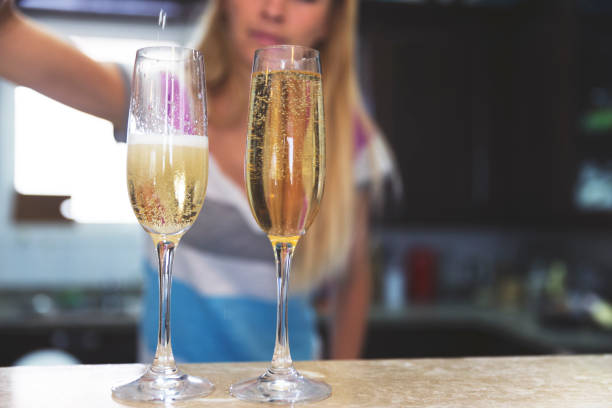
When pouring, tilt the glass at an angle and pour slowly down the side to minimize foam and preserve effervescence. Serving at the right temperature not only improves taste but also showcases the craftsmanship behind your homemade sparkling wine, delivering a crisp, refreshing experience with every sip.
Choosing the Right Glassware
Use tulip-shaped or fluted champagne glasses to enhance the sensory experience of your homemade sparkling wine. These glasses are designed to preserve bubbles by minimizing surface area at the rim, allowing effervescence to rise steadily and aromas to concentrate.
Avoid wide-bowled glasses like coupes, which release carbonation too quickly and diminish the wine’s freshness. A tall, narrow flute also showcases the elegant stream of bubbles, adding visual appeal. For more aromatic complexity, consider a white wine glass with a slightly wider bowl—ideal for complex, aged sparkling wines.
Ensure glasses are clean and free of soap residue, which can destabilize bubbles and create excessive foam. Rinse thoroughly and air-dry. Chilling the glassware briefly before serving helps maintain the wine’s ideal temperature.
The right glassware not only elevates presentation but also enhances flavor, aroma, and mouthfeel, making each serving of your homemade sparkling wine a refined and enjoyable experience.
Long-Term Storage and Shelf Life
Store homemade sparkling wine upright in a cool, dark, and humid environment to preserve quality and prevent cork drying. Ideal storage conditions include a consistent temperature of around 55°F (13°C), away from vibrations and light, which can degrade delicate flavors and cause premature aging.
Most homemade sparkling wines are best consumed within 1–2 years, as they lack commercial stabilizers and are more prone to oxidation. Bottles sealed with crown caps (like those used in home brewing) offer better long-term protection than corks. Monitor stored bottles periodically for signs of leakage or pressure loss.
If using cork, ensure a humidity level of 60–70% to keep the cork supple. Avoid temperature fluctuations, which can push corks out or allow air intrusion. While some traditional method sparkling wines improve with age, most homemade versions are crafted for early enjoyment.
Proper storage extends shelf life and maintains effervescence, ensuring your sparkling wine remains vibrant and safe to drink.
Frequently Asked Questions
What equipment do I need to make sparkling wine at home?
You’ll need a large pot, fermenting bucket or carboy, airlock, siphon, bottles designed for sparkling wine (champagne-style), bottle corks, a corker, and sanitizing solution. Proper sanitation is crucial to prevent contamination during fermentation.
What type of base wine should I use for sparkling wine?
Use a dry, high-acid white wine such as Chardonnay, Sauvignon Blanc, or a blend. The base wine should be fully fermented, clear, and free of residual sugar before beginning the sparkling process.
How do I add carbonation to homemade sparkling wine?
Carbonation is achieved through a secondary fermentation in the bottle. Add a measured amount of sugar (typically 1.5–2 teaspoons per liter) to the wine before bottling, which reacts with remaining yeast to produce CO2.
How long does it take to make sparkling wine at home?
The entire process takes 4–8 weeks: 1–2 weeks for secondary fermentation in bottles, followed by 3–6 weeks of aging to develop bubbles and flavor. Longer aging improves quality.
Can I use regular wine bottles for homemade sparkling wine?
No, regular wine bottles aren’t designed to handle the pressure from carbonation and may explode. Always use thick, pressure-rated champagne-style bottles to ensure safety.
How do I prevent over-pressurization and bottle explosions?
Accurately measure the priming sugar and maintain fermentation temperature between 68–72°F (20–22°C). Store bottles in a cool, dark place away from direct light and disturbance.
Do I need to refrigerate the bottles before opening?
Yes, chill the sparkling wine thoroughly in a refrigerator for at least 24 hours before opening. Cold temperatures reduce pressure and help prevent gushing or cork accidents.
Conclusion
Making sparkling wine at home is a rewarding and creative process that anyone can enjoy with patience and attention to detail. By selecting quality ingredients, maintaining proper sanitation, and carefully managing fermentation, you can craft delicious, bubbly wine in your kitchen. While it takes time, the results are well worth the effort. With practice, you’ll gain confidence and refine your technique—so don’t hesitate to start your sparkling wine journey today and toast to your homemade success.