How Long Does Box Wine Last Opened
Wondering how long your box wine stays good after opening? You’re not alone—and the good news is, it lasts longer than you might think. Thanks to its vacuum-sealed bag-in-box design, most opened box wines stay fresh for 4 to 6 weeks, far outlasting bottled wine. In this article, we’ll break down exactly what affects shelf life, how to store it properly, and signs it’s time to pour it out—so you can enjoy every glass without waste.
How Long Does Box Wine Last After Opening
Typical Shelf Life of Opened Box Wine
Opened box wine typically lasts 4 to 6 weeks when stored properly, significantly longer than bottled wine. This extended shelf life is due to the airtight bladder system inside the box, which prevents oxygen from reaching the wine after each pour.
Unlike traditional bottles with corks that allow gradual oxidation, the bag-in-box design collapses as wine is dispensed, minimizing air exposure. To maximize freshness, always keep the spout closed after use and store the box upright in a cool, dark place.
Refrigeration is recommended for white and rosé varieties, while reds can be kept in a pantry if consumed within the timeframe. Avoid temperature fluctuations and direct sunlight, as these can degrade quality. Most manufacturers print a ‘best by’ date, but the 4–6 week window applies from the first opening, regardless.
Following these steps ensures you enjoy the wine at its best flavor and aroma for weeks.
Factors That Affect Longevity
Several factors influence how long opened box wine stays fresh. The most critical is oxygen exposure—even with a sealed bladder, a faulty spout or improper closure can let air in, accelerating spoilage.
Storage temperature also plays a major role; warmer environments speed up chemical reactions that degrade wine, so refrigeration helps preserve quality, especially for whites and rosés. The type of wine matters too—higher acidity and preservatives in some varieties can extend shelf life.
Additionally, hygiene is key; touching the spout or introducing contaminants can introduce bacteria or mold. Even infrequent use isn’t a problem as long as the system remains sealed. Finally, light exposure can negatively affect wine over time, so storing the box in a dark cupboard or pantry is ideal.
Controlling these variables ensures your box wine remains enjoyable for the full 4 to 6 weeks.
Signs Your Box Wine Has Gone Bad
Knowing when opened box wine has spoiled ensures you don’t consume an off-tasting or potentially harmful product. The first clue is often a change in smell—if the wine has a vinegar-like, sour, or musty odor, oxidation or bacterial growth has likely occurred.
Flavor deterioration is another red flag; flat, dull, or sharp-tasting wine indicates it’s past its prime. Visually, cloudiness or discoloration may appear, especially if mold or sediment forms. While small particles aren’t always dangerous, they suggest degradation.
The spout or bladder might also show signs of mold or leakage, which compromises the seal and wine safety. If the wine fizzes unexpectedly (and it’s not a sparkling variety), refermentation may have occurred. When in doubt, taste a small amount first.
If any off-notes are present, it’s best to discard the wine. Trust your senses—fresh box wine should smell and taste balanced and pleasant.
How Box Wine Packaging Preserves Freshness
What Is a Bag-in-Box System
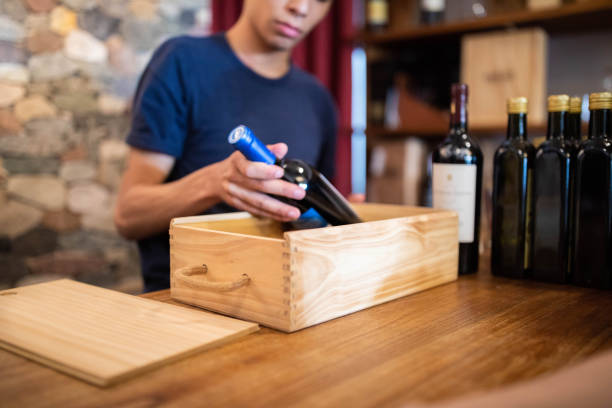
The bag-in-box system is a smart design that keeps wine fresh long after opening. Inside the cardboard exterior is a flexible, airtight plastic bladder that holds the wine.
This inner bag collapses as wine is dispensed, which prevents air from entering and contacting the remaining liquid—a major factor in oxidation and spoilage. Unlike traditional glass bottles, where air fills the headspace after pouring, the bag-in-box eliminates this exposure.
The materials used are specifically chosen for their low oxygen permeability, ensuring the wine maintains its flavor, aroma, and quality over time. This system is not only practical for storage but also highly effective at preserving freshness.
Because the wine never comes into contact with oxygen after sealing, opened box wine can stay enjoyable for several weeks—far longer than bottled wine exposed to air.
How the Dispenser Valve Works
The dispenser valve is a crucial component in maintaining wine quality after opening. Located on the side of the box, this one-way valve allows wine to flow out when pressed, but seals tightly afterward to block air from entering.
As wine is poured, the inner bag shrinks, adapting to the reduced volume and eliminating empty space where oxygen could accumulate. This mechanism ensures that each pour is as fresh as the first. Because the valve is designed for repeated use and minimal leakage, it supports long-term storage without degradation.
Users should keep the valve clean and closed when not in use to maximize effectiveness. The system’s simplicity and reliability mean that even after weeks of use, the wine remains protected from contaminants and oxidation.
This is why a properly used dispenser valve can help extend freshness for up to six weeks after opening.
Why Box Wine Lasts Longer Than Bottles
Box wine lasts significantly longer than bottled wine after opening—often up to 4 to 6 weeks versus just 3 to 5 days for an opened bottle. The key difference lies in exposure to oxygen.
Once a wine bottle is uncorked, air enters and begins degrading the wine through oxidation, dulling flavors and aromas. In contrast, the bag-in-box system uses an airtight bladder and one-way valve to eliminate oxygen contact entirely. As wine is poured, the bag collapses, ensuring no air replaces the volume lost.
This preservation method maintains the wine’s integrity over time. Additionally, the opaque box shields the wine from light, another factor that can degrade quality. Combined, these features make box wine a smarter choice for those who enjoy wine occasionally.
With proper storage in a cool, dark place, box wine delivers consistent freshness and flavor far beyond traditional bottles.
Tips for Storing Opened Box Wine
Keep It Sealed and Cool
To maximize the shelf life of opened box wine, it’s essential to keep the spout sealed tightly after each use. Most boxed wines come with a built-in tap that creates an airtight seal, which helps prevent oxidation—the main factor that degrades wine quality.
Always close the tap firmly and avoid leaving it open, even briefly. In addition, store the box in a cool place, ideally between 50°F and 65°F (10°C–18°C). Cooler temperatures slow down chemical reactions that can spoil the wine.
Unlike bottled wine, boxed wine’s bag-in-box design limits air exposure with each pour, helping it last longer—typically 4 to 6 weeks after opening when stored properly. Avoid temperature fluctuations, which can compromise the integrity of the wine and the packaging.
By maintaining a sealed, cool environment, you preserve the wine’s intended taste and aroma well beyond the first pour.
Store Upright to Prevent Leaks
Always store your opened box wine upright to maintain the integrity of the internal bladder and prevent leaks. When placed on its side or upside down, the liquid can pool around the spout, increasing pressure on the seal and potentially causing drips or spills.
An upright position ensures the bag collapses evenly as wine is dispensed, maintaining a consistent vacuum that limits air contact. This also helps preserve freshness and prevents contamination from external sources. Additionally, an upright stance makes the box more stable and easier to handle during storage and pouring.
Avoid stacking heavy items on top of the box, as this can damage the bag or spout mechanism. Proper orientation not only protects against messes but also contributes to the wine’s longevity.
By respecting the design of the packaging, you extend the usability of your wine and enjoy better quality with each glass.
Avoid Sunlight and Heat Sources
Protect your opened box wine by keeping it away from direct sunlight and heat sources such as stoves, radiators, or sunny windowsills. UV rays and high temperatures accelerate oxidation and can alter the wine’s flavor, leading to flat or cooked tastes.
The cardboard exterior offers some protection, but it’s not fully UV-resistant, so prolonged exposure can still damage the inner bag and its contents. Store the box in a dark, stable environment like a pantry or cupboard to maintain optimal conditions.
Heat not only affects taste but can also cause the bag to expand or leak over time. Consistent, cool, dark storage is key to preserving quality. By minimizing light and thermal exposure, you help ensure your boxed wine remains fresh and enjoyable for up to six weeks after opening.
This simple step makes a significant difference in maintaining the wine’s character and drinkability.
How to Tell If Box Wine Is Still Good
Check the Smell and Color
To determine if opened box wine is still good, start by checking its smell and color, as these are early indicators of spoilage. Pour a small amount into a glass and observe any drastic changes from its original appearance.
Red wines may fade to a brownish hue, while whites may darken or appear cloudy—both signs of oxidation. A sour, vinegar-like, or musty odor is a strong signal the wine has gone bad. Fresh box wine should retain its fruity, aromatic profile.
If it smells flat, stale, or like wet cardboard, it’s likely past its prime. The bag-in-box design helps preserve wine longer than bottles by limiting air exposure, but after 4 to 6 weeks, degradation becomes more likely. Always store the box upright in a cool, dark place to extend freshness.
If in doubt, proceed to a taste test, but discard the wine if the smell alone is unpleasant.
Taste Test for Off Flavors
If the smell seems acceptable, perform a small taste test to confirm the wine’s quality. Swirl the wine in your mouth and note any unusual or unpleasant flavors. Fresh box wine should taste balanced, with expected notes of fruit, acidity, and sweetness depending on the varietal.
Sour, metallic, or overly sharp tastes often mean the wine has oxidized or turned to vinegar. A flat or lifeless flavor, lacking its original vibrancy, suggests it’s no longer at its best. While not harmful, drinking spoiled wine can be unpleasant and diminish the experience.
Most opened box wines remain drinkable for 4 to 6 weeks, thanks to the sealed bladder that limits air contact. If the taste is off, even slightly, it’s best to discard it. Trust your palate—your senses are the most reliable tools for judging freshness and safety.
Common Spoilage Indicators
Recognizing common spoilage indicators helps prevent consuming compromised box wine. Beyond smell and taste, look for visible signs like leaks, bloating, or damage to the bag inside the box—these can introduce air or bacteria.
Cloudiness, fizziness in non-sparkling wine, or the presence of particles or film in the liquid are red flags. These issues suggest microbial growth or chemical breakdown. While box wine typically lasts 4 to 6 weeks after opening when stored properly, exceeding this window increases spoilage risk.
Exposure to heat, light, or temperature fluctuations accelerates degradation. Always check the ‘best by’ date on the box, but remember that this applies to unopened wine. Once opened, time and storage matter most.
If any spoilage signs appear, err on the side of caution and discard the wine to ensure a safe, enjoyable experience.
Best Ways to Extend the Life of Opened Box Wine
Refrigerate After Each Use
To maximize the shelf life of opened box wine, refrigeration is essential. Once opened, box wine begins to degrade due to temperature fluctuations and exposure to air. Storing the box in the refrigerator slows oxidation and microbial growth, helping preserve the wine’s flavor and aroma.
Unlike bottled wine, boxed wine contains a bladder system that limits air contact, but it’s still vulnerable when not stored properly. Always keep the box upright in the fridge to maintain internal seal integrity.
The ideal temperature range is between 45°F and 55°F (7°C–13°C), which helps maintain freshness for up to 6 weeks. Avoid placing the box near the door where temperatures fluctuate. Refrigeration is especially important for white, rosé, and sparkling varieties, which are more sensitive to heat.
By making refrigeration a consistent habit after each pour, you significantly extend the wine’s drinkability and enjoy a fresher taste every time.
Minimize Air Exposure
One of the most effective ways to extend the life of opened box wine is to minimize air exposure with every use. Box wine systems are designed with airtight bags inside the outer cardboard, which collapse as wine is dispensed, reducing oxygen contact.
However, repeatedly leaving the spigot open or storing the box at room temperature can compromise this system. Always ensure the tap is fully closed after each pour and avoid leaving it open for extended periods. Additionally, store the box upright to prevent leaks and maintain the internal bag’s seal.
Avoid transferring the wine to another container, as this introduces more air and contaminants. The less oxygen the wine encounters, the longer it retains its original taste and quality.
By respecting the design of the packaging and being diligent about sealing, you can preserve the wine’s integrity for several weeks beyond opening, far longer than traditional bottled wine.
Use Within Recommended Time Frame
While box wine lasts longer than bottled wine after opening, it’s crucial to consume it within the recommended time frame—typically 4 to 6 weeks. Even with proper storage, the wine gradually loses its freshness, aroma, and flavor profile over time.
After six weeks, oxidation and microbial activity can cause noticeable off-tastes or a flat character. To ensure optimal quality, mark the opening date on the box with a permanent marker. This simple habit helps track freshness and prevents consuming spoiled wine.
Lighter wines like Sauvignon Blanc or Pinot Grigio should be consumed closer to the 4-week mark, while bolder reds may last the full 6 weeks. If the wine smells vinegary, tastes sour, or appears cloudy, discard it.
Adhering to this timeframe ensures you enjoy the wine at its best and reduces waste. Consistent monitoring and timely consumption are key to getting the most from your box wine.
Comparing Shelf Life: Box Wine vs. Bottled Wine
How Long Bottled Wine Lasts Opened
Once opened, bottled wine typically stays fresh for 3 to 5 days when stored properly. Red wines usually last slightly longer than whites due to higher tannin levels, which act as natural preservatives. To maximize freshness, re-cork the bottle and store it in the refrigerator, even for reds—this slows oxidation.
Using a wine preserver, such as an inert gas spray or vacuum pump, can extend the life by a few extra days. However, after about a week, most bottled wines begin to degrade, losing aroma and flavor as they turn vinegary.
Light and heat accelerate spoilage, so keep opened bottles away from sunlight and warm areas. While some premium wines with higher acidity or sugar content may last longer, the general rule remains: consume within five days for best quality.
Monitoring the smell and taste is a reliable way to assess freshness.
Why Box Wine Has a Longer Freshness Window
Box wine stays fresh significantly longer than bottled wine—typically 4 to 6 weeks after opening—thanks to its innovative packaging. Inside the box is a collapsible plastic bladder that prevents air from contacting the wine. Each time you pour, the bladder shrinks, eliminating oxygen exposure, the primary cause of spoilage.
In contrast, open bottled wine is constantly exposed to air in the headspace, accelerating oxidation. This design makes box wine ideal for those who enjoy a glass occasionally without wasting the rest. Storing the box at a cool room temperature or in the fridge further preserves quality.
The multi-layered bag also blocks light, another factor that degrades wine. While flavor complexity may diminish slightly over time, box wine maintains drinkability far longer than traditional bottles, offering a practical solution for moderate consumption.
Cost and Convenience Comparison
Box wine offers better value and convenience for regular, casual drinkers. A typical 3-liter box contains the equivalent of four standard bottles, often costing less per liter than bottled wine—even mid-range varieties. This makes it an economical choice for households that consume wine gradually.
The spigot design allows for easy, mess-free pouring and immediate resealing, eliminating the need for corkscrews or stoppers. Since it stays fresh for weeks, there’s less pressure to finish it quickly, reducing waste.
Bottled wine, while preferred for aging and premium experiences, is less practical for everyday use due to shorter shelf life and higher cost per serving. For those prioritizing longevity, ease of use, and budget-friendliness, box wine is the superior option.
Ultimately, the choice depends on drinking habits, but for consistent freshness and savings, boxed wins.
Common Myths About Box Wine Quality and Storage
Myth: Box Wine Is Lower Quality
Many people believe that box wine is inherently lower in quality than bottled wine, but this is a misconception. Modern box wines are often made by reputable winemakers using the same quality grapes and production techniques as bottled varieties. The key difference lies in packaging, not content.
Box wine is protected from light and air by its internal bladder, which helps preserve freshness and flavor over time. In fact, many sommeliers and wine experts now recommend high-quality boxed options for their consistency and value.
The shift toward premium box wines has led to better aging potential and improved taste profiles. Consumers are increasingly recognizing that sustainability, convenience, and quality can coexist in a box.
Choosing a box wine from a trusted brand with transparent sourcing ensures you’re getting a product that rivals, or even surpasses, many bottled alternatives—especially when stored properly.
Myth: It Goes Bad Immediately After Opening
Contrary to popular belief, box wine does not spoil as quickly as bottled wine once opened. Thanks to its unique packaging, the bag inside the box collapses as wine is dispensed, minimizing air exposure—the main culprit in oxidation.
Most box wines stay fresh for 4 to 6 weeks after opening, far longer than a traditional bottle, which typically lasts only 3 to 5 days. To maximize shelf life, store the box in a cool, dark place and keep the spout closed tightly after each use.
Avoid leaving it at room temperature for extended periods. Refrigeration is ideal, especially for white and rosé varieties. This extended freshness makes box wine a practical, waste-reducing option for casual drinkers and households that don’t consume wine quickly. With proper storage, you can enjoy consistent flavor throughout the entire box.
Myth: All Wines Last the Same in Boxes
It’s incorrect to assume that all boxed wines have identical shelf lives after opening. While the packaging helps preserve freshness, the wine’s varietal, acidity, and added preservatives influence how long it stays enjoyable.
For example, higher-acid wines like Sauvignon Blanc or Pinot Grigio tend to last longer in a box than delicate rosés or low-acid reds. Tannic reds such as Cabernet Sauvignon may retain structure for several weeks, but fruit-forward reds might fade faster.
Additionally, organic or low-sulfite boxed wines may degrade more quickly due to fewer preservatives. Always check the manufacturer’s recommended consumption window, typically listed on the packaging. To get the best experience, taste the wine periodically after opening—freshness is key.
Understanding these differences helps you choose the right box wine for your drinking habits and storage capabilities.
Frequently Asked Questions
How long does boxed wine last after opening?
Boxed wine typically lasts 4 to 6 weeks after opening if stored properly. The key is the bag-in-box design, which limits oxidation by preventing air from entering the bladder.
Does boxed wine go bad after opening?
Yes, boxed wine can eventually go bad, but it lasts longer than bottled wine due to its vacuum-sealed bag. Signs it has spoiled include off smells, sour taste, or discoloration.
Should I refrigerate boxed wine after opening?
While not required, refrigerating boxed wine after opening helps preserve its freshness and flavor longer. Store it in a cool, dark place if refrigeration isn’t available.
Can you drink boxed wine after 2 months?
It’s not recommended to drink boxed wine after 2 months, even if stored properly. Most boxed wines begin to degrade in quality after 6 weeks, affecting taste and aroma.
What factors affect how long boxed wine stays fresh?
Temperature, light exposure, and how well the spout is sealed after each use all impact shelf life. Keeping the box closed and stored in a cool, dark place maximizes freshness.
Conclusion
An opened box of wine typically lasts 4 to 6 weeks when stored properly in a cool, dark place with the spout closed tightly. Unlike bottled wine, boxed wine’s vacuum-sealed bag helps preserve freshness longer. Always check for off smells or flavors before drinking. With its convenience and extended shelf life, boxed wine is a practical choice for casual sipping. Enjoy your wine with confidence, knowing you have weeks to savor every glass.