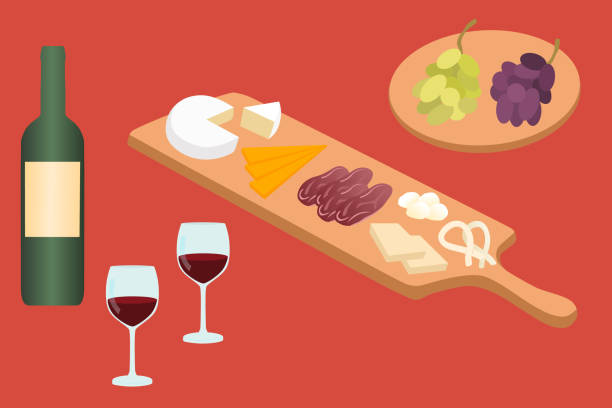
Food Wine Pairing Guide
Wondering what wine goes with your favorite meals? You’re not alone—finding the perfect food and wine pairing can feel overwhelming. But it doesn’t have to be. This simple, practical guide cuts through the confusion and gives you clear, delicious matches you can trust—whether you’re grilling steak, serving pasta, or enjoying a cheese board. From bold reds to crisp whites, we’ll help you choose the right bottle every time. Let’s make your next meal unforgettable with pairings that truly shine.
How to Match Wine with Food Flavors
Match Intensity of Food and Wine
To create a harmonious pairing, match the intensity of your food with that of your wine—this ensures neither overpowers the other. A rich, hearty dish like braised short ribs calls for a full-bodied red wine like Cabernet Sauvignon, which can stand up to the robust flavors.
Conversely, delicate foods such as steamed fish or fresh salads pair best with light, crisp wines like Pinot Grigio or Sauvignon Blanc. Think of it as a flavor balance scale: bold with bold, subtle with subtle.
Ignoring this principle can result in a wine that’s lost in the background or one that overwhelms the dish. When in doubt, taste both separately first to gauge their weight and intensity, then bring them together for a more enjoyable, balanced dining experience.
Balance Sweet and Acidic Tastes
A successful pairing hinges on balancing sweetness and acidity between food and wine. If a dish is slightly sweet—like glazed carrots or a teriyaki marinade—opt for a wine with a touch of residual sugar, such as Riesling or Gewürztraminer, to match that sweetness and prevent the wine from tasting flat.
On the other hand, high-acid foods like tomato-based sauces or citrusy dressings need equally high-acid wines like Chianti or Sauvignon Blanc to refresh the palate. The key is ensuring the wine is at least as acidic or sweet as the food, never less.
This balance keeps each bite and sip vibrant and complementary, enhancing both elements rather than clashing or dulling the flavors.
Pair Salt and Umami with the Right Wine
Salty and umami-rich foods—like aged cheeses, cured meats, or mushrooms—call for wines that can complement their savory depth and cut through the richness. Sparkling wines and high-acid whites, such as Champagne or Albariño, work exceptionally well because their effervescence and acidity cleanse the palate.
For red wine lovers, a fruity Pinot Noir or Gamay can balance umami without overwhelming it. Salt also softens tannins, making bold reds like Syrah more approachable with dishes like grilled lamb or charcuterie. The contrast between saltiness and acidity or fruitiness creates a dynamic, mouthwatering experience.
Always consider how the wine’s structure interacts with salt and savoriness to elevate the overall taste.
Adjust for Spicy and Sour Dishes
Spicy and sour dishes, like Thai curries or ceviche, require wines that soothe heat and complement tanginess without amplifying it. High-alcohol or overly tannic wines can intensify spice, leading to an unpleasant burn. Instead, choose low-alcohol, slightly sweet, and aromatic whites like off-dry Riesling, Moscato, or Gewürztraminer.
Their subtle sweetness cools the palate and balances fiery chilies. For sour or citrus-driven dishes, a crisp, high-acid white such as Verdejo or unoaked Chardonnay enhances brightness without clashing. Serving these wines well-chilled also adds a refreshing contrast.
The goal is to create harmony, not competition, so prioritize wines that offer a cooling, balancing effect against intense heat or acidity.
Best Wine Pairings for Common Dishes

Wine with Grilled Steak and Red Meat
When pairing wine with grilled steak and other red meats, opt for full-bodied reds that can stand up to the rich, robust flavors. Cabernet Sauvignon is a classic choice, offering firm tannins and dark fruit notes that complement charred crusts and juicy interiors.
Syrah and Malbec also excel, with their bold spice and plum characteristics enhancing the meat’s natural umami. For a more peppery cut like ribeye or hanger steak, Zinfandel adds a fruit-forward kick that balances the fat. Avoid light reds or whites, as they may be overwhelmed.
Serve slightly below room temperature to allow the wine to open up. Decanting for 30 minutes can soften tannins and elevate the pairing, creating a harmonious dining experience.
Pairing Wine with Chicken and Poultry
Chicken and poultry are versatile, so wine pairings depend on preparation. For grilled or roasted chicken, a medium-bodied Pinot Noir is ideal—its bright acidity and red berry notes enhance the meat without overpowering it. If the dish includes creamy sauces or mushrooms, the earthy tones of Pinot Noir align beautifully.
Chardonnay, especially an oaked version, pairs well with buttery or herb-crusted poultry, adding richness and vanilla depth. For spiced or Asian-inspired chicken, consider an off-dry Riesling or Gewürztraminer to counter heat with a touch of sweetness. Avoid overly tannic reds, which can clash with lighter poultry flavors.
Chilling the wine slightly enhances freshness, making each sip refreshing and complementary to the meal.
Best Wines for Seafood and Shellfish
Seafood demands crisp, clean wines that enhance its delicate nature. For oysters, clams, and raw bar selections, a briny, mineral-driven Sauvignon Blanc or Champagne cuts through richness and amplifies oceanic freshness.
Unoaked Chardonnay works well with grilled fish like halibut or sea bass, offering citrus and apple notes without masking subtle flavors. For richer seafood like salmon or tuna, a light red such as Pinot Noir can be surprisingly effective, especially when the fish is seared or served with earthy accompaniments.
Avoid heavy, oaky whites or bold reds, which overwhelm delicate textures. Serving temperature is crucial—chill whites and sparkling wines to 45–50°F for maximum crispness and balance.
Wine Choices for Pasta and Cream Sauces
Pasta dishes with creamy sauces require wines with enough acidity to cut through richness. Oaked Chardonnay is a top choice—its buttery texture and citrus backbone mirror and balance Alfredo or carbonara sauces.
For tomato-based pastas, Chianti or Sangiovese shine with their bright acidity and herbal notes, complementing garlic, basil, and ripe tomatoes. If the dish includes mushrooms or sausage, a light to medium-bodied red like Barbera or Grenache enhances depth without overwhelming.
Avoid sweet or overly tannic wines, which clash with savory elements. For vegetarian pasta, consider a rosé with structure—it bridges the gap between red and white profiles. Always match wine weight to sauce intensity for a seamless pairing.
Wine Pairing Tips for Vegetarian and Vegan Meals
Matching Wine with Roasted Vegetables
Roasted vegetables like carrots, bell peppers, and zucchini develop deep, caramelized flavors that pair beautifully with medium-bodied reds such as Pinot Noir or Grenache. These wines have enough acidity to cut through the natural sweetness of roasted produce without overwhelming delicate textures.
For earthier vegetables like beets or mushrooms, opt for earthy, structured reds like Syrah or a mature Merlot. If your dish includes herbs like rosemary or thyme, consider a herbal Sauvignon Blanc from the Loire Valley, which mirrors the aromatic profile of the seasoning.
Roasting intensifies flavors, so avoid overly tannic wines that can clash. A chilled, slightly fruity Gamay also works well for lighter roasted vegetable platters. The key is balancing the richness of the char with a wine that complements, not competes.
Pairing Wine with Legumes and Beans
Legumes and beans—such as lentils, chickpeas, and black beans—offer earthy, nutty flavors and hearty textures that call for wines with bright acidity and moderate tannins. A Sangiovese or Chianti complements tomato-based bean stews by mirroring their tangy, savory notes.
For spiced lentil dishes or Indian dals, choose an off-dry Riesling or Gewürztraminer, whose hint of sweetness balances heat and spices. Creamy bean purées pair well with unoaked Chardonnay or a crisp white from Northern Italy, as they enhance creaminess without heaviness. Avoid high-alcohol wines, which can amplify the earthiness.
For cold bean salads with vinaigrette, a light red like Beaujolais or a dry rosé provides refreshing contrast. Matching wine to the dish’s seasoning is just as important as the bean itself.
Best Wines for Vegan Cheese Alternatives
Vegan cheeses vary widely in flavor and texture, so matching wine to the style is essential. Nut-based cheeses with creamy, tangy profiles—like almond feta or cashew mozzarella—pair well with crisp, high-acid whites such as Pinot Grigio or Albariño, which cut through richness.
For fermented, aged vegan cheeses with umami depth, try a light red like Valpolicella or a sparkling Lambrusco, whose bubbles and acidity cleanse the palate. If the cheese has a sharp, cultured taste, an oaked Chardonnay can mirror its buttery notes.
Avoid overly tannic reds, which may clash with the absence of dairy fat. For herb-coated or smoked plant-based cheeses, a rosé with floral and mineral notes enhances complexity. Always taste the cheese first to guide your wine selection accurately.
Wine and Plant-Based Protein Dishes
Plant-based proteins like tofu, tempeh, seitan, and textured vegetable protein absorb bold flavors, making them versatile partners for diverse wines. Grilled or marinated tofu with Asian spices pairs beautifully with an aromatic Grüner Veltliner or off-dry Riesling, which balances umami and spice.
Hearty tempeh stews or mushroom-lentil burgers shine with medium-bodied reds like Merlot or a fruity Zinfandel, offering structure without overpowering. For smoky, barbecued plant proteins, try a Syrah with peppery, dark fruit notes that echo the char.
Crispy seitan or falafel dishes go well with a dry rosé or Vermentino, which refresh the palate between bites. The key is matching the sauce and seasoning—a tomato-based dish calls for acidic wines, while creamy sauces pair better with rounder whites. Experiment to find your ideal harmony.
How to Pair Wine with Cheese
Soft Cheeses and Light White Wines
When pairing soft cheeses like Brie, Camembert, or fresh mozzarella with wine, opt for light-bodied white wines such as Pinot Grigio, Chardonnay, or Champagne. These wines complement the creamy texture without overwhelming the delicate flavors. The high acidity in these whites cuts through the richness, creating a balanced palate experience.
For example, a chilled glass of unoaked Chardonnay enhances the buttery notes in Brie while refreshing the mouth between bites. Champagne or sparkling wines add a celebratory touch and their effervescence lifts the creaminess, making each bite feel lighter.
Avoid heavy, tannic reds as they clash with the mildness of soft cheeses. Chill both the cheese and wine slightly before serving to maximize freshness and harmony in every pairing.
Hard Cheeses with Bold Reds
Pairing hard cheeses such as aged Cheddar, Manchego, or Parmesan with bold red wines like Cabernet Sauvignon, Syrah, or Malbec creates a powerful flavor match. The intense, nutty, and often crystalline textures of aged cheeses stand up to the robust tannins and dark fruit profiles of full-bodied reds.
For instance, the sharpness of aged Cheddar is beautifully balanced by the blackberry and vanilla notes in a well-aged Cabernet. Tannins in red wine bind with the fat in cheese, softening the wine’s astringency and enhancing the cheese’s richness. Choose wines with good acidity to cleanse the palate.
Serve slightly below room temperature for optimal balance. This pairing is ideal for charcuterie boards or post-dinner indulgences where depth and complexity are desired.
Blue Cheese and Sweet Dessert Wines
The bold, pungent flavors of blue cheeses like Gorgonzola, Roquefort, or Stilton find their perfect match in sweet dessert wines such as Sauternes, Port, or late-harvest Riesling. The intense saltiness and creaminess of blue cheese are beautifully offset by the wine’s concentrated sweetness, creating a harmonious contrast.
A classic example is Roquefort paired with Sauternes, where honeyed apricot notes meet tangy blue mold in a legendary combination. The residual sugar in dessert wines tempers the sharpness of the cheese, while the wine’s acidity prevents the pairing from feeling cloying. Serve in small portions to appreciate the intensity.
This duo makes an excellent dessert course or sophisticated finish to a meal, delighting adventurous palates.
Goat Cheese with Crisp Sauvignon Blanc
The bright, tangy flavor of goat cheese—such as Chèvre—pairs exceptionally well with crisp, acidic white wines like Sauvignon Blanc. The wine’s zesty citrus, green apple, and herbaceous notes mirror and enhance the cheese’s natural tartness, creating a refreshing synergy.
A classic Loire Valley Sancerre complements fresh goat cheese with its flinty minerality and vibrant acidity. This pairing works beautifully in salads, on crostini, or as part of a light appetizer spread. The high acidity in Sauvignon Blanc cuts through the cheese’s richness, cleansing the palate with each sip.
Avoid oaky or heavy wines, which can dull the delicate flavors. Serve well-chilled to highlight the crisp, lively character of both components, making it ideal for warm-weather entertaining or spring gatherings.
Wine and Regional Cuisine Matches
Italian Food with Italian Wines
Pairing Italian food with its native wines enhances both flavor and authenticity. Match regional dishes with local varietals for the most harmonious experience—for example, pair a rich Bolognese from Emilia-Romagna with a medium-bodied Sangiovese from Chianti, which cuts through the dish’s richness with bright acidity.
Tomato-based sauces go exceptionally well with high-acid reds or crisp whites like Vermentino. For creamy risottos from the north, try a buttery white such as Gavi or a lightly oaked Pinot Bianco. Seafood pasta dishes from coastal regions shine with crisp, mineral-driven whites like Verdicchio or Falanghina.
Even desserts have pairings—serve Tiramisu with Vin Santo, whose nutty sweetness complements the coffee and mascarpone. Always consider the dish’s dominant flavor—herbs, fat, or acidity—to guide your wine choice.
French Dishes Paired with French Varietals
French cuisine’s elegance is best mirrored by its regional wines. Bordeaux reds, with their structured tannins, are ideal for lamb or duck confit from the southwest.
For buttery, cream-laden dishes like Coq au Vin or Chicken Normandy, opt for a white Burgundy (Chardonnay) that balances richness with crisp apple and citrus notes. Provençal seafood stews like bouillabaisse pair beautifully with a dry Rosé from Provence, enhancing herbal and briny flavors.
In Alsace, aromatic whites like Riesling or Gewürztraminer complement spicy sausages or pork due to their slight sweetness and floral intensity. Goat cheese from the Loire Valley finds its match in a zesty Sancerre. Always align the wine’s body with the dish’s weight—light dishes with light wines, bold with bold.
This regional synergy ensures a refined, balanced dining experience.
Wine Pairings for Mexican and Latin Flavors
The bold spices and vibrant ingredients in Mexican and Latin American dishes call for wines that balance heat and enhance freshness. Opt for off-dry whites like Riesling or Torrontés to cool the burn of spicy salsas and chilies while complementing citrus and tropical fruit notes.
Crisp, unoaked whites such as Albariño or Sauvignon Blanc pair well with ceviche and seafood tacos, enhancing briny and herbal flavors. For heartier dishes like carnitas or mole, light to medium-bodied reds like Gamay or Garnacha offer fruitiness without overwhelming spice.
Avoid high-alcohol or heavily oaked wines, as they can intensify heat. Rosé wines with bright acidity work across a range of dishes, from grilled vegetables to spicy chorizo. Emphasize freshness and fruit-forward profiles to match the cuisine’s lively character and create a refreshing, balanced pairing.
Asian Cuisine and Suitable Wine Choices
Pairing wine with Asian cuisine requires balancing umami, spice, and diverse cooking techniques. For sushi and sashimi, choose a clean, crisp white like dry Riesling or Champagne, whose acidity and bubbles refresh the palate.
Spicy Thai or Indian curries benefit from slightly sweet wines such as off-dry Gewürztraminer or Kabinett-level German Riesling, which tame heat and match aromatic herbs. Soy-based and umami-rich dishes like ramen or stir-fries pair well with earthy Pinot Noir, whose red fruit and subtle spice complement savory depth.
Fermented flavors in Korean cuisine, like kimchi, are balanced by vibrant, high-acid wines like Grüner Veltliner. Avoid tannic reds with spicy or sweet dishes, as they can clash.
Focus on aromatic whites and light, fruity reds to harmonize with the complexity and layered flavors of Asian cooking, ensuring each bite and sip enhance the other.
Pairing Wine with Desserts and Sweets
Chocolate and Full-Bodied Red Wines
Pairing chocolate desserts with full-bodied red wines creates a luxurious balance that enhances both the food and the wine. Opt for bold reds like Cabernet Sauvignon, Syrah, or Zinfandel, which have the tannin structure and dark fruit intensity to stand up to rich, bittersweet chocolate.
The key is matching the sweetness level—darker chocolate works best with dry, robust wines, while milk chocolate may require a slightly sweeter red like a Port. Avoid pairing sweet milk chocolate with dry wines, as it can make the wine taste sour.
For chocolate truffles or flourless cakes, a well-aged red with notes of blackberry, plum, and spice will elevate the experience. Always serve slightly below room temperature to preserve balance and aroma.
Fruit-Based Desserts with Sweet Whites
Fruit-based desserts like berry tarts, peach cobbler, or apple pie pair beautifully with aromatic, sweet white wines that mirror the dessert’s natural acidity and freshness. Choose Riesling, Moscato, or Gewürztraminer, which offer vibrant fruit notes and a touch of sweetness without overwhelming the palate.
The wine should be as sweet as or slightly sweeter than the dessert to avoid a flat taste. For citrus-forward desserts, a late-harvest Riesling with bright acidity cuts through richness and enhances flavor. Lightly chilled serving temperatures (45–50°F) help maintain crispness.
Avoid oaky whites, as they can clash with delicate fruit flavors. This pairing brings out the best in both components, creating a refreshing and harmonious finish.
Cheesecake and Sparkling Wine
Cheesecake’s creamy texture and subtle sweetness make it an ideal match for sparkling wines, especially Prosecco, Champagne, or sparkling rosé. The effervescence and acidity in sparkling wines cut through the richness of the cheese, cleansing the palate with each sip.
A brut or extra brut style works best, as overly sweet sparklers can make the cheesecake taste heavier. For fruit-topped cheesecakes, choose a sparkling wine with complementary fruit notes—strawberry or cherry hints in a rosé sparkler enhance berry toppings. Serve well-chilled (around 40–45°F) to maximize refreshment.
This pairing adds elegance and lightness, turning a dense dessert into a balanced, celebratory experience perfect for special occasions.
Avoiding Overly Sweet Wine Mistakes
A common pitfall in dessert pairings is choosing a wine sweeter than the dessert, which can make the wine taste flat or cloying. Always ensure the wine matches or slightly exceeds the dessert’s sweetness level—this preserves balance and enhances flavor perception.
For example, a moderately sweet crème brûlée pairs better with a late-harvest Viognier than a syrupy dessert wine. High acidity in the wine also helps counteract sweetness and refresh the palate.
When in doubt, opt for wines with bright acidity and concentrated fruit, like Sauternes or ice wine, which complement without overwhelming. Tasting both components together before serving ensures harmony. Avoid mass-market ‘dessert wines’ with artificial sweetness; instead, choose authentic, well-crafted options for a refined finish.
Common Wine Pairing Mistakes and How to Avoid Them
Don’t Let One Ingredient Overpower the Pairing
A single bold ingredient—like blue cheese, capers, or spicy chilies—can dominate both the dish and the wine, ruining an otherwise thoughtful pairing. To avoid this, identify the most intense flavor in your meal and choose a wine that can stand up to it.
For example, a sweet Riesling balances spicy Thai food, while a bold Cabernet Sauvignon matches the richness of blue cheese. Balance is key: if one element overwhelms, consider adjusting the seasoning or selecting a more robust wine. Pre-tasting components together helps anticipate clashes.
By focusing on the dominant flavor, you ensure the wine enhances, rather than competes with, your dish.
Avoid Mismatched Weight and Texture
Pairing a delicate wine with a heavy dish—or vice versa—creates an unbalanced experience.
Match the body of the wine to the richness of the food: light dishes like grilled fish or salads go best with crisp whites like Pinot Grigio, while hearty meals such as steak or lamb demand full-bodied reds like Malbec or Syrah.
Consider texture and cooking method—grilled, creamy, or fried foods need wines with enough acidity or tannin to cut through richness. A creamy pasta with Chardonnay works because both share a similar weight. By aligning intensity, you create harmony on the palate, making each bite and sip more enjoyable and cohesive.
Temperature Matters for Food and Wine
Serving wine at the wrong temperature can drastically affect its flavor and pairing potential. Over-chilled reds lose their aroma and taste flat, while warm whites become flabby and overly alcoholic. Serve light whites at 45–50°F, full-bodied whites at 50–55°F, and reds at 60–65°F for optimal balance.
Similarly, food temperature impacts perception—hot dishes amplify alcohol heat, while cold dishes mute wine flavors. Always chill wines properly and serve food at ideal temperatures to preserve harmony. A properly chilled rosé with a warm goat cheese salad, for example, highlights freshness and complements richness without overwhelming the palate.
Use Personal Taste as Your Guide
While traditional rules offer a starting point, your personal preference should guide your pairing choices. If you dislike tannic wines, a bold Cabernet with steak might not be enjoyable, even if it’s ‘correct.’ Trust your palate and experiment—pairing is subjective. Love buttery Chardonnay with spicy food? Go for it.
Prefer light reds with poultry? That’s valid too. The best pairing is one that brings you pleasure, not one that follows rigid guidelines. Keep a journal of combinations you enjoy, and use it to refine future choices.
Ultimately, wine and food are meant to be savored together, so prioritize enjoyment over perfection.
Frequently Asked Questions
What is a food wine pairing guide?
A food wine pairing guide is a resource that helps you select the right wine to complement specific dishes based on flavor profiles, acidity, sweetness, and intensity. It aims to enhance both the food and wine experience by balancing tastes and avoiding clashes.
How do I pair wine with meat dishes?
Pair red wines like Cabernet Sauvignon or Merlot with red meats due to their tannins and bold flavors. Lighter meats such as pork or chicken go well with medium-bodied reds or full-bodied whites like Chardonnay.
What wine goes well with seafood?
Light, crisp white wines such as Sauvignon Blanc, Pinot Grigio, or Chablis pair beautifully with most seafood. For richer seafood like salmon, consider a light red like Pinot Noir.
Can I pair white wine with red meat?
While red wine is traditional, some white wines like oaked Chardonnay can pair with lighter red meats or dishes in creamy sauces. The key is matching the wine’s body and richness to the dish.
How does acidity affect food and wine pairing?
High-acid wines like Riesling or Champagne cut through rich, fatty foods and refresh the palate. They also complement dishes with citrus or tomato-based sauces.
Should dessert wines be sweeter than the dish?
Yes, dessert wines should generally be as sweet as or sweeter than the dish to avoid tasting flat. Pair sweet wines like Sauternes or Port with desserts like cheesecake or fruit tarts.
What are some classic food and wine pairings?
Classic pairings include Cabernet Sauvignon with steak, Chardonnay with roasted chicken, Pinot Noir with duck, and Prosecco with light appetizers. These combinations balance flavors and elevate the dining experience.
Conclusion
A successful food and wine pairing enhances both the meal and the drinking experience. Remember the basic principles: match intensity with intensity, balance acidity, and consider sweetness and texture. Classic combinations like red wine with red meat or white wine with seafood remain reliable, but don’t be afraid to experiment. Trust your palate and explore new pairings. With practice, you’ll discover delightful combinations that elevate your dining moments. Cheers to your next perfect pairing!


