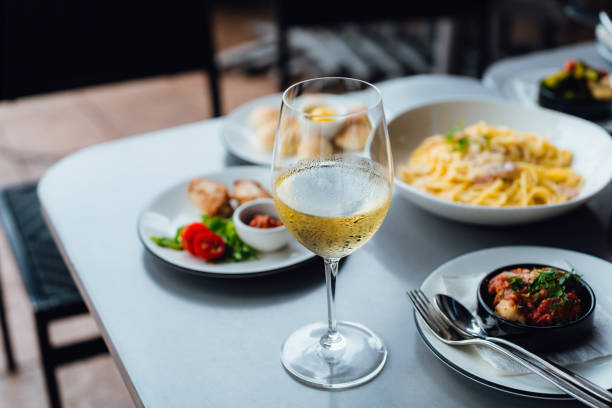
What Food Pairs With Chardonnay
Wondering what food pairs with chardonnay? You’re not alone—and you’re in the right place. Whether your Chardonnay is buttery and rich or crisp and citrusy, there’s a perfect dish to match. From grilled salmon and roasted chicken to creamy pastas and garlic butter lobster, we’ll break down the best pairings that elevate both the wine and the meal. No guesswork needed—just delicious combinations that work every time. Let’s find your next perfect match.
Best Types of Chardonnay for Food Pairing
How climate affects Chardonnay flavor
The climate where Chardonnay is grown significantly influences its flavor profile, which in turn affects food pairing options. In cooler climates like Chablis, France, or Sonoma Coast, USA, Chardonnay tends to be lighter-bodied with high acidity and notes of green apple, lemon, and wet stone.
These crisp characteristics make it ideal for pairing with delicate seafood dishes, oysters, or goat cheese salads. Warmer regions such as Napa Valley or Australia produce riper grapes, yielding wines with richer textures and flavors of tropical fruit, peach, and melon.
These fuller-bodied styles stand up well to buttery sauces, roasted poultry, or grilled fish. Understanding the temperature-driven flavor shifts helps you match the wine’s weight and acidity to complementary dishes.
For example, a cool-climate Chardonnay cuts through fatty foods with its brightness, while a warm-climate version enhances dishes with similar richness. Choosing the right pairing starts with identifying the wine’s origin and its resulting taste profile.
Differences between oaked and unoaked Chardonnay
The presence or absence of oak aging dramatically changes Chardonnay’s character and ideal food matches. Oaked Chardonnays, aged in barrels, develop creamy textures with flavors of vanilla, toast, and butter, making them excellent companions for rich, savory dishes like lobster with drawn butter, creamy risottos, or roasted chicken.
The oak adds body and complexity that can stand up to heavier sauces and grilled meats. In contrast, unoaked Chardonnays retain a fresher, crisper profile with bright fruit and zesty acidity, perfect for lighter fare such as seared scallops, citrus-marinated fish, or fresh salads.
These wines highlight purity of fruit and minerality, avoiding the weight that oak imparts. When pairing, consider the mouthfeel and flavor intensity: oaked versions suit decadent meals, while unoaked styles shine with clean, simple preparations.
Recognizing this distinction ensures your Chardonnay enhances rather than overwhelms the dish, creating a harmonious dining experience rooted in balance and contrast.
Regional styles and their pairing strengths
Chardonnay expresses distinct regional characteristics that guide ideal food pairings. French Chablis, unoaked and mineral-driven, excels with raw bar selections like oysters and clams, where its steely acidity and saline notes enhance brininess.
Burgundy’s richer whites, such as those from Meursault, offer subtle oak and nutty depth, pairing beautifully with roasted poultry or mushroom-based dishes. In California, particularly Napa and Sonoma, Chardonnays often showcase ripe fruit and pronounced oak, making them ideal for buttery seafood like grilled salmon or crab cakes.
Australian versions, known for bold tropical flavors, match well with spice-kissed Asian cuisine or barbecued meats. Cooler New World regions like New Zealand produce leaner styles suited for citrus-glazed fish or goat cheese tarts.
By identifying a Chardonnay’s region of origin, you can anticipate its flavor profile and structure, allowing for targeted pairings that elevate both wine and food. This regional insight turns pairing from guesswork into a strategic, satisfying experience.
Classic Food Pairings with Chardonnay
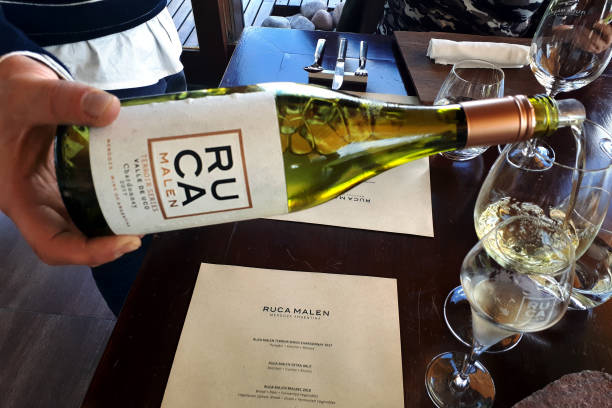
Grilled salmon with herb butter
Grilled salmon with herb butter is a perfect match for Chardonnay, especially when the wine has been aged in oak. The rich, oily texture of salmon stands up beautifully to the buttery, creamy notes found in many Chardonnays, creating a harmonious balance on the palate.
The natural acidity in Chardonnay cuts through the fat of the fish, cleansing the palate with each sip. When the salmon is finished with a compound herb butter—featuring fresh dill, parsley, and lemon zest—the aromatic elements enhance the wine’s citrus and vanilla undertones.
Opt for a medium to full-bodied Chardonnay from regions like California or Burgundy for best results. The subtle smokiness from grilling adds another layer of complexity that complements the wine’s toastiness.
This pairing works especially well with dishes that include capers or a white wine reduction sauce, as these ingredients echo the wine’s own characteristics. Balance richness with acidity for a truly elevated dining experience.
Roast chicken with garlic and herbs
Roast chicken with garlic and herbs is a classic comfort dish that pairs exceptionally well with Chardonnay.
The juicy, savory meat and aromatic herbs like thyme, rosemary, and sage complement the floral and citrus notes in the wine, while the crispy skin adds a satisfying texture that mirrors the wine’s mouthfeel. A lightly oaked or unoaked Chardonnay enhances the natural flavors of the chicken without overwhelming them.
The garlic and butter baste used in roasting echoes the creamy, buttery qualities of many Chardonnays, making each bite and sip feel cohesive. This pairing shines when the chicken is served with pan juices or a light cream sauce, which integrate seamlessly with the wine’s body.
For best results, choose a Chardonnay with bright acidity and subtle oak influence to balance the dish’s richness. Simple preparation meets sophisticated pairing in this timeless combination.
Creamy pasta dishes
Creamy pasta dishes, such as fettuccine Alfredo or pasta with mushroom cream sauce, are ideal companions for Chardonnay due to their lush, velvety textures. The high fat content in cream-based sauces is perfectly offset by the crisp acidity of a well-balanced Chardonnay, preventing the meal from feeling overly heavy.
Meanwhile, the wine’s buttery and vanilla notes, especially in oak-aged versions, mirror the richness of the sauce, creating a seamless flavor bridge. Additions like sautéed mushrooms, Parmesan cheese, or grilled chicken enhance the umami depth, which resonates with the wine’s complexity.
Opt for a Chardonnay with a medium to full body and balanced oak to match the dish’s intensity. Avoid overly sweet or fruity wines, as they clash with savory elements. Instead, look for bottles from cooler climates that retain acidity, or New World styles with controlled oak aging.
Harmonizing richness and acidity makes this pairing a standout choice for elegant weeknight dinners or special occasions.
Cheese Pairings That Work with Chardonnay
Aged cheddar and sharp cow’s milk cheeses
Aged cheddar is one of the most reliable pairings for full-bodied, oak-aged Chardonnay. The wine’s rich texture and notes of butter, vanilla, and toasted oak complement the bold, nutty flavor of well-aged cheddar.
As cheddar matures, it develops crunchy tyrosine crystals and deeper umami characteristics that stand up beautifully to Chardonnay’s weight and acidity. Other sharp cow’s milk cheeses like Gruyère, Comté, or aged Gouda also work exceptionally well.
The creamy mouthfeel of the wine balances the firm, crumbly texture of these cheeses, while the wine’s acidity cuts through their richness. For best results, serve the cheese at room temperature to fully release its aromas.
Pair with crackers or sliced apples to add a touch of sweetness that enhances both the cheese and wine. This combination is ideal for cozy gatherings or cheese boards centered around bold, complex flavors.
Brie and soft-ripened varieties
Brie, Camembert, and other soft-ripened cheeses are excellent companions for lightly oaked or unoaked Chardonnay. These cheeses feature a creamy interior and an edible bloomy rind that contribute a delicate earthiness and rich mouthfeel.
The bright acidity and citrus notes in Chardonnay cut through the buttery texture, creating a balanced, refreshing experience. When pairing, choose a Chardonnay with crisp apple or pear notes to mirror the subtle sweetness of the cheese. The wine’s freshness prevents the pairing from feeling overly heavy.
For an elevated touch, serve with fresh baguette slices or dried fruit like apricots. Temperature matters—allow the cheese to sit at room temperature for 20–30 minutes before serving to enhance its creaminess.
This pairing shines on warm afternoons or as part of a light appetizer spread, offering elegance and approachability in every bite.
Goat cheese with honey and nuts
Goat cheese, especially when paired with honey and toasted nuts, creates a harmonious contrast with vibrant, unoaked Chardonnay. The cheese’s tangy, slightly chalky profile is beautifully offset by the wine’s crisp green apple and lemon zest notes.
Drizzling local honey over a chilled log of goat cheese adds natural sweetness that enhances the fruitiness of the wine without overwhelming it. Toasted walnuts, almonds, or pecans contribute a nutty crunch that echoes any subtle oak influence in lightly aged Chardonnays.
This trio works perfectly on a cheese board or as a topping for mixed greens in a salad. The interplay of sweet, tart, and creamy elements keeps each bite interesting. Serve chilled or at cool room temperature to preserve freshness.
Ideal for brunches or outdoor dining, this pairing delivers bright, layered flavors that elevate both the cheese and the wine.
Seafood Dishes That Complement Chardonnay
Seared scallops with lemon sauce
Seared scallops with a bright lemon sauce are an excellent match for Chardonnay, especially those with a touch of oak aging.
The rich, buttery texture of the scallops mirrors the creamy mouthfeel of oaked Chardonnays, while the citrus acidity in the sauce cuts through the wine’s weight, creating a balanced pairing.
Look for Chardonnays from California or Burgundy that offer notes of ripe pear, vanilla, and toasted oak to complement the caramelized crust of the scallops. The umami depth from the sear enhances the wine’s complexity, while the lemon sauce adds a refreshing lift that prevents the pairing from feeling heavy.
To maximize harmony, serve the dish warm but not overly hot, allowing the wine’s nuances to shine. This combination works particularly well with mid-weight Chardonnays that balance fruit and oak, making it ideal for both casual dinners and special occasions. Chill the wine slightly—around 50°F—for optimal enjoyment.
Lobster rolls with aioli
Lobster rolls with aioli pair exceptionally well with Chardonnay due to their rich, succulent seafood and creamy, tangy dressing. The buttery sweetness of lobster harmonizes with the lush texture of a well-balanced Chardonnay, while the aioli’s acidity mirrors the wine’s natural citrus notes.
Opt for a Chardonnay with moderate oak influence and bright acidity—wines from Sonoma Coast or Chablis-style bottlings work beautifully. The crisp minerality in cooler-climate Chardonnays enhances the freshness of the lobster, and the toasted brioche roll echoes the wine’s subtle vanilla and bready notes.
Avoid overly oaked versions, which can overpower the delicate seafood. Serve the roll chilled or at room temperature to preserve the wine’s aromatic profile. This pairing shines at summer gatherings or seaside meals, where the refreshing yet full-bodied character of Chardonnay complements the indulgent lobster without overwhelming it.
Shrimp scampi with garlic butter
Shrimp scampi with garlic butter is a classic pairing for Chardonnay, thanks to its rich sauce and succulent shrimp. The wine’s natural acidity cuts through the buttery sauce, while its floral and stone-fruit notes complement the sweetness of the shrimp.
Choose a Chardonnay with balanced oak—enough to echo the butter in the dish but not so much that it clashes with the garlic. Wines from Carneros or cooler regions of Australia offer the ideal blend of richness and freshness.
The garlic and white wine base of the scampi mirrors components in the Chardonnay’s profile, creating a seamless flavor bridge. Serve the dish with crusty bread to soak up the sauce, enhancing the indulgent experience without dulling the wine.
For best results, serve the Chardonnay well-chilled to refresh the palate between bites. This pairing is perfect for weeknight dinners or dinner parties, offering effortless elegance and bold flavor harmony.
Poultry and Pork Pairings for Chardonnay
Herb-roasted turkey slices
Herb-roasted turkey slices are an excellent match for Chardonnay, especially when the wine has undergone partial oak aging. The rich, juicy texture of the turkey complements the wine’s full body, while the aromatic herbs like rosemary, thyme, and sage enhance the Chardonnay’s subtle vanilla and spice notes.
To maximize this pairing, season the turkey with garlic, olive oil, and a touch of lemon zest before roasting—this adds brightness that mirrors the wine’s natural acidity. Choose a medium-to-full-bodied Chardonnay with balanced oak influence to stand up to the savory depth of the meat without overpowering it.
The creamy mid-palate of the wine harmonizes beautifully with the tender slices, making it ideal for both casual meals and festive occasions. Avoid overly buttery preparations that might clash with the wine’s profile.
This pairing works especially well with coastal or cooler-climate Chardonnays, which retain vibrant acidity and citrus notes to cut through the richness.
Pork tenderloin with apple glaze
Pork tenderloin with apple glaze creates a harmonious pairing with Chardonnay, leveraging sweet and savory contrasts that elevate the wine’s complexity. The natural sweetness of the apple glaze complements the ripe orchard fruit flavors—think baked apple, pear, and peach—common in many Chardonnays, especially those from warmer regions.
Meanwhile, the tender, lean pork absorbs the wine’s creamy texture, creating a luxurious mouthfeel. Use a Chardonnay with moderate oak aging to mirror the caramelized notes from roasting the glaze without overwhelming the dish.
A touch of Dijon mustard or shallots in the glaze can enhance the pairing by introducing a subtle tang that aligns with the wine’s acidity. Serve this dish with roasted root vegetables or a crisp green salad to add freshness.
This combination is ideal for autumn dinners or Sunday suppers, where comfort and elegance intersect. The key is balancing sweetness and richness for a seamless flavor bridge.
Duck breast with cherry reduction
Duck breast with cherry reduction offers a bold, sophisticated pairing that highlights the versatility of Chardonnay, particularly oaked or barrel-fermented styles.
The rich, gamey flavor of duck pairs exceptionally well with Chardonnay’s full body and buttery texture, while the tart-sweet cherry reduction echoes the wine’s underlying red fruit and citrus notes.
To prepare, sear the duck skin until crisp and finish with a reduction of fresh cherries, balsamic vinegar, and a hint of thyme—this creates a complex sauce that mirrors the layered profile of the wine.
Choose a Chardonnay with balanced acidity and subtle oak to cut through the duck’s fat and complement the fruitiness of the sauce. Avoid overly tannic or heavy reds; Chardonnay provides the ideal middle ground. This dish shines with cool-climate Chardonnays that offer precision and lift.
Serve alongside creamy polenta or wild rice to round out the experience, making it perfect for romantic dinners or gourmet gatherings.
Vegetarian and Vegan Options with Chardonnay
Roasted vegetable tarts
Roasted vegetable tarts make a delightful pairing with Chardonnay, especially when made with seasonal vegetables like zucchini, bell peppers, and caramelized onions in a buttery, flaky crust.
The rich, creamy texture of the tart complements the full-bodied nature of an oaked Chardonnay, while the natural sweetness of roasted vegetables balances the wine’s subtle vanilla and toast notes. For best results, add a layer of herbed goat cheese or ricotta to enhance creaminess and amplify flavor harmony.
The tart’s slight acidity from balsamic glaze or white wine vinegar also mirrors the wine’s bright acidity, creating a well-rounded palate experience. Serve the tart warm but not hot to preserve the wine’s aromatic complexity.
This pairing shines at brunch or light dinners, offering a sophisticated yet approachable option that highlights both the dish and the Chardonnay’s versatility with vegetarian fare.
Mushroom risotto with truffle oil
A creamy mushroom risotto finished with a drizzle of truffle oil is a luxurious match for Chardonnay, particularly those with oak-aged complexity. The umami-rich mushrooms, such as cremini or shiitake, echo the wine’s earthy undertones, while the risotto’s silky texture mirrors the wine’s mouthfeel.
Opt for a buttery, medium-to-full-bodied Chardonnay to stand up to the dish’s richness without overpowering it. The subtle nuttiness and toastiness from oak aging blend seamlessly with the risotto’s Parmesan and Arborio rice, creating a harmonious flavor bridge.
A touch of white wine in the cooking process further enhances the pairing. Finish with fresh thyme or parsley to add brightness that complements the Chardonnay’s crisp apple or pear notes.
This dish is ideal for elegant dinners where depth, comfort, and balance are key, making it a standout vegetarian centerpiece.
Grilled asparagus with lemon zest
Grilled asparagus with lemon zest offers a refreshing, vibrant pairing with unoaked or lightly oaked Chardonnay. The charred, smoky flavor from grilling enhances the vegetable’s natural sweetness, while the bright citrus zest lifts the dish and accentuates the wine’s crisp acidity.
Choose a Chardonnay with prominent green apple, pear, or citrus notes to mirror the lemon’s tanginess and create a lively taste experience. A light drizzle of olive oil and a sprinkle of flaky sea salt help carry flavors and balance the wine’s texture.
This pairing excels in spring and summer settings, offering a light yet satisfying option that doesn’t overwhelm the palate. The high acidity and freshness of the wine cut through the asparagus’s slight bitterness, resulting in a clean, elegant finish.
Perfect as an appetizer or side, this combination highlights how simple ingredients can elevate Chardonnay in vegetarian cuisine.
Tips for Serving Chardonnay with Meals
Ideal serving temperature by style
Serving Chardonnay at the correct temperature enhances its aromas and structural balance, making a noticeable difference in food pairings. For unoaked or lighter-style Chardonnays, aim for a cooler 45–50°F (7–10°C) to preserve their crisp acidity and fresh fruit notes like green apple and citrus.
This temperature range complements lighter dishes such as seafood salads, grilled shrimp, or goat cheese tartlets. In contrast, oaked or full-bodied Chardonnays benefit from a slightly warmer 50–55°F (10–13°C), allowing their creamy texture, vanilla, and buttery notes to shine.
At this temperature, the wine integrates beautifully with richer foods like roasted chicken, lobster in butter sauce, or creamy risotto. Avoid over-chilling, which can mute flavors and accentuate alcohol harshness. Use a refrigerator for 2–3 hours, then let the bottle sit at room temperature briefly if needed.
Proper temperature control ensures the wine’s character aligns perfectly with your meal.
Glassware choices for maximum flavor
Selecting the right glassware significantly impacts how Chardonnay expresses its complexity at the table. Opt for a standard white wine glass with a slightly tapered bowl, which concentrates delicate aromas while directing the wine to the front and sides of the palate—ideal for highlighting both acidity and fruit.
For full-bodied, oaked Chardonnays, consider using a larger bowl similar to a Chardonnay-specific or even a light red wine glass. This shape allows greater aeration, softening the wine’s richness and integrating oak-derived notes like vanilla and toast.
A properly shaped glass also helps balance the wine’s weight with food textures, enhancing pairings with dishes like seared scallops or roasted poultry. Avoid narrow flutes or oversized red wine glasses, which either trap aromas or overexpose the wine.
Ultimately, the right glass elevates both the sensory experience and the harmony between wine and meal, making even simple dishes feel more refined.
How to balance richness and acidity in pairings
The key to successful Chardonnay pairings lies in matching the wine’s body and acidity with the dish’s richness. High-acid, unoaked Chardonnays cut through fatty or fried foods, making them ideal with dishes like fried calamari or lemon-herb chicken. The crisp acidity acts as a palate cleanser, enhancing flavor without overwhelming.
Conversely, full-bodied, buttery Chardonnays with lower acidity pair best with equally rich foods—think grilled salmon with beurre blanc, creamy pastas, or roasted pork with apple glaze. These wines stand up to bold flavors without getting lost.
When pairing, consider the sauce or preparation more than the protein—a grilled chicken with lemon sauce calls for a lighter Chardonnay, while the same chicken in a creamy mushroom sauce suits a richer style.
Balancing texture and intensity ensures neither the food nor wine dominates, creating a harmonious, restaurant-quality dining experience at home.
Frequently Asked Questions
What types of food pair best with Chardonnay?
Chardonnay pairs well with a variety of foods depending on its style. Oaked Chardonnays, which are richer and fuller-bodied, complement creamy dishes like lobster bisque, buttery seafood, and roasted poultry. Lighter, unoaked Chardonnays go well with grilled fish, salads, and fresh goat cheese.
Can Chardonnay be paired with chicken dishes?
Yes, Chardonnay is an excellent match for chicken, especially when the dish includes creamy sauces, herbs, or roasted flavors. The wine’s acidity and body balance the richness of preparations like chicken piccata or chicken in a mushroom cream sauce.
Is Chardonnay a good match for seafood?
Absolutely. Chardonnay pairs beautifully with seafood such as grilled salmon, scallops, and crab. The wine’s texture and subtle oak notes enhance the natural sweetness and richness of these dishes.
Does Chardonnay go with cheese?
Yes, Chardonnay pairs well with a range of cheeses, particularly buttery or creamy varieties like brie, camembert, and aged cheddar. The wine’s acidity cuts through the richness, creating a balanced pairing.
What vegetarian dishes go well with Chardonnay?
Vegetarian dishes with creamy sauces, roasted vegetables, or earthy mushrooms pair nicely with Chardonnay. Think risotto, vegetable gratin, or a warm squash tart, especially when served with a touch of cream or cheese.
Should I avoid spicy foods with Chardonnay?
Generally, highly spicy dishes can clash with oaked Chardonnay due to its richness and alcohol content. However, a lighter, unoaked Chardonnay with crisp acidity can handle mildly spiced Asian or Latin American cuisine better.
Conclusion
Chardonnay’s versatility makes it a perfect companion for a wide range of dishes, from buttery seafood and roasted poultry to creamy pastas and mild cheeses. Its flavor profile—ranging from crisp and citrusy to rich and oaky—allows it to complement both delicate and bold flavors. By matching the wine’s style with your meal, you enhance both the food and the experience. So don’t hesitate—explore pairings, trust your palate, and enjoy the delightful harmony Chardonnay brings to your table.


