
What Cheese Goes With White Wine
Wondering what cheese goes with white wine? You’re not alone—this classic pairing can be tricky, but getting it right elevates any gathering. The good news? Light, crisp whites like Sauvignon Blanc or Chardonnay love soft, creamy cheeses like Brie or goat cheese, while tangy varieties like feta shine with aromatic whites. In just a few minutes, you’ll know exactly which cheeses complement your favorite white wines, making your next cheese board a hit without the guesswork. Let’s dive in.
Best Cheeses to Pair with White Wine
Soft Cheeses That Complement White Wine
Soft, creamy cheeses like Brie, Camembert, and Taleggio are excellent choices for pairing with white wine. Their rich, buttery textures balance beautifully with the crisp acidity of wines such as Chardonnay and Sauvignon Blanc.
The mild flavor of these cheeses doesn’t overpower the wine, allowing the nuances of citrus, apple, or tropical notes to shine through. For best results, serve soft cheeses at room temperature to enhance their creamy consistency and aromatic qualities.
Pairing a buttery oaked Chardonnay with Brie creates a harmonious blend of richness, while a tangy Sauvignon Blanc cuts through the fat, refreshing the palate. These pairings are ideal for appetizer boards or light dinners.
Hard Cheeses That Work Well with White Varietals
Aged hard cheeses like Manchego, Gruyère, and Comté offer a nutty, caramel-like depth that complements fuller-bodied white wines. These cheeses have a firm texture and concentrated flavor that stand up well to oaked Chardonnays or aromatic whites like Viognier.
The natural sweetness and slight crunch from cheese crystals enhance the wine’s complexity. For example, Manchego pairs wonderfully with a Spanish Albariño, where the wine’s bright acidity and saline notes contrast the cheese’s richness. Serve in small cubes to encourage slow sipping and savoring.
These pairings are perfect for autumn gatherings or charcuterie spreads with dried fruits and nuts to round out the experience.
Fresh Cheeses for Lighter White Wines
Fresh, unaged cheeses such as goat cheese (chèvre), mozzarella, and ricotta are ideal partners for light, zesty white wines like Pinot Grigio, Sauvignon Blanc, or unoaked Chardonnay. Their bright acidity and clean finish enhance the cheese’s mild tang and creamy texture without overwhelming it.
A classic pairing is goat cheese with a citrusy Sauvignon Blanc, where the wine’s grassy notes mirror the cheese’s earthiness. Drizzling chèvre with honey or serving mozzarella with ripe tomatoes amplifies the freshness. These combinations are refreshing and vibrant, making them excellent for summer picnics or light lunches.
Always serve chilled but not cold to preserve flavor balance.
Blue Cheeses and Bold Pairings
Bold blue cheeses like Gorgonzola, Roquefort, and Stilton create striking contrasts when paired with sweet or aromatic white wines. The intense saltiness and pungent flavors of blue cheese are beautifully tamed by the luscious sweetness of dessert wines such as Sauternes, late-harvest Riesling, or ice wine.
This contrast creates a balanced, luxurious experience on the palate. For example, Roquefort with Sauternes is a legendary pairing where honeyed notes meet creamy funk in perfect harmony. Serve in small portions to let the flavors linger.
These pairings are ideal for dessert courses or sophisticated cheese boards with figs, walnuts, and pear slices to enhance complexity.
How White Wine Characteristics Affect Cheese Pairing
Acidity in White Wine and Cheese Balance
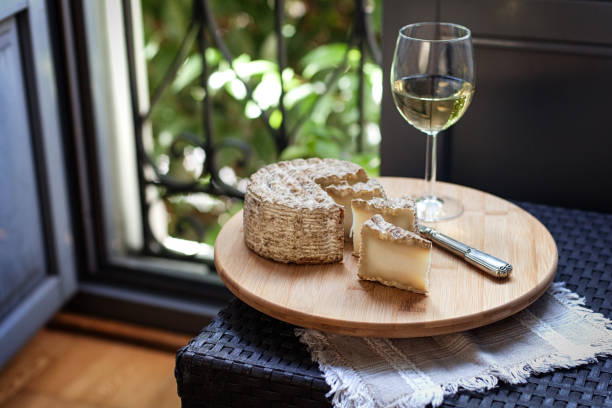
High-acid white wines like Sauvignon Blanc or Pinot Grigio cut through rich, creamy cheeses and refresh the palate. The crisp acidity balances the fat content in cheeses such as goat cheese, feta, or fresh mozzarella, creating a harmonious pairing.
For tangy, bright cheeses, match the wine’s zesty character to enhance both components. Avoid overly aged or hard cheeses with high acidity, as they can clash and create a metallic taste. Instead, opt for soft, fresh cheeses that mirror the wine’s vibrancy.
Chilling both the wine and cheese slightly enhances this synergy, making it ideal for warm-weather pairings. Think of the wine as a palate cleanser, lifting the richness of each bite and preparing you for the next.
Sweetness Levels and Cheese Compatibility
The sweetness of white wine—from off-dry Riesling to dessert-level Sauternes—pairs beautifully with specific cheeses when matched thoughtfully. Mildly sweet wines complement salty cheeses like blue cheese or aged Gouda, creating a pleasing contrast. The sugar in the wine tames the salt and sharpness, enhancing nutty and caramel notes.
For very sweet wines, choose intensely flavored, pungent cheeses such as Roquefort or Stilton; the bold flavors stand up to the wine’s richness. Avoid pairing sweet wines with mild cheeses like Monterey Jack, which can be overwhelmed.
Balancing intensity ensures neither element dominates, resulting in a layered, satisfying tasting experience that highlights both the wine’s fruit and the cheese’s complexity.
Body and Texture Matching Tips
Matching the body and texture of white wine and cheese ensures a seamless pairing. Light-bodied whites like Albariño or unoaked Chardonnay work best with delicate, soft cheeses such as Brie, Camembert, or fresh chèvre. Their subtle profiles won’t overpower the wine’s finesse.
Medium-bodied wines, such as Viognier, pair well with semi-firm cheeses like Havarti or young Gruyère, where texture and flavor intensity align. Full-bodied, creamy whites—especially oaked Chardonnays—stand up to rich, dense cheeses like triple-creams or washed-rinds. Think of it as a textural mirror: creamy with creamy, firm with fuller-bodied.
This balance prevents one element from overwhelming the other, creating a cohesive and enjoyable tasting experience.
How Oak Influences Pairings
Oak-aged white wines, like barrel-fermented Chardonnay, bring buttery, vanilla, and toasty notes that influence cheese pairings significantly. These rich, complex flavors pair best with creamy, high-fat cheeses that mirror the wine’s mouthfeel—think Brie, butterkäse, or aged cheddar. The oak’s roundness complements the cheese’s richness without clashing.
Avoid pairing oaky wines with very fresh or tangy cheeses like feta or young goat cheese, as the acidity can react poorly with oak-derived phenols, creating bitterness. Instead, seek cheeses with nutty or caramelized notes developed through aging.
The synergy between oak and aged cheese enhances depth, making each bite and sip more rewarding. Temperature matters—serve slightly cooler than room temperature to preserve balance.
Popular White Wine Types and Ideal Cheese Matches
Chardonnay: Pairing with Creamy and Aged Cheeses
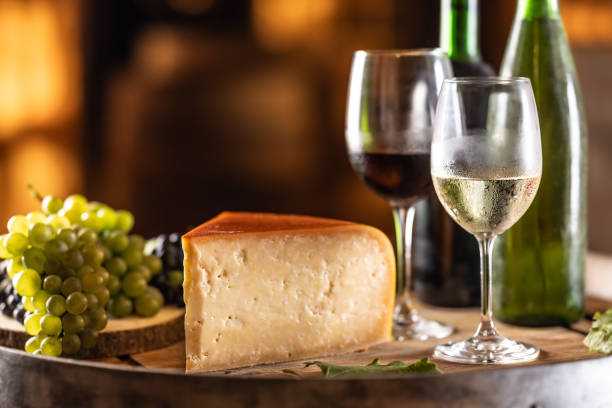
Chardonnay, especially full-bodied and oak-aged versions, pairs exceptionally well with creamy, rich cheeses that can stand up to its buttery texture and notes of vanilla and toast. Brie and Camembert are excellent choices, as their lush, velvety rinds complement Chardonnay’s mouthfeel.
For a bolder match, try aged Gouda or sharp Cheddar, whose caramel and nutty flavors harmonize with the wine’s oak influence. Avoid overly salty cheeses that might overpower the wine’s subtleties. Serve at room temperature to fully release both the cheese and wine’s aromas.
This pairing works best when the fat in the cheese balances the wine’s acidity, creating a smooth, satisfying experience ideal for dinner parties or cozy evenings.
Sauvignon Blanc: Best with Tangy and Fresh Cheeses
Sauvignon Blanc’s bright acidity and zesty citrus notes make it a perfect match for tangy, fresh cheeses that refresh the palate. Goat cheese (chèvre) is a classic pairing—the wine’s grassy, herbal tones enhance the cheese’s earthy tang.
Feta and fresh mozzarella also work well, especially when served in salads with tomatoes and herbs. The high acidity cuts through the creaminess, creating a balanced bite. For an elevated platter, add a drizzle of honey or serve with crisp apples to amplify the contrast.
Avoid strong, aged cheeses that may clash with the wine’s delicate profile. This combination shines at brunches or outdoor gatherings, offering a crisp, lively flavor experience.
Pinot Gris and Mild Cheese Combinations
Pinot Gris, with its light to medium body and crisp, fruity profile, pairs beautifully with mild, semi-soft cheeses that won’t overpower its subtle nuances. Havarti, Monterey Jack, and young Gouda are ideal, offering a creamy texture and gentle flavor that align with the wine’s notes of pear, apple, and citrus.
The moderate acidity and slight sweetness of Pinot Gris also complement cheeses with a hint of butteriness. For added complexity, try a herbed cheese spread or pair with lightly salted crackers. Avoid intensely flavored or pungent cheeses that may overshadow the wine.
This pairing is perfect for casual get-togethers or light appetizer spreads, delivering a clean, approachable taste.
Riesling: Matching with Sweet and Spicy Notes
Riesling, especially off-dry or sweet varieties, excels when paired with cheeses that balance its fruity sweetness and vibrant acidity. Blue cheeses like Gorgonzola or Roquefort create a stunning contrast—their bold, salty tang is tamed by the wine’s residual sugar.
Mild, creamy cheeses such as Mascarpone or Ricotta also work well, especially when served with fresh fruit or honey. For a savory twist, pair with spicy cheeses or Asian-inspired dishes where the wine’s sweetness cools the heat.
The key is contrast and balance—sweet wine with salty or spicy cheese creates a dynamic flavor interplay. This pairing is ideal for dessert courses or adventurous cheese boards, offering a memorable sensory experience.
Tips for Serving Cheese and White Wine Together
Serving Temperature Guidelines
To maximize flavor harmony between cheese and white wine, serving temperature is crucial. White wines should be served chilled, ideally between 45–55°F (7–13°C), depending on body—lighter whites like Sauvignon Blanc at the cooler end, fuller styles like Chardonnay slightly warmer.
Cheeses should be brought to room temperature about 30–60 minutes before serving to unlock their full aroma and texture. Cold cheese can mute flavors and create a waxy mouthfeel that clashes with the wine’s acidity. Avoid serving cheese straight from the fridge.
Aligning temperatures ensures a balanced tasting experience where the creaminess, acidity, and fruit notes complement rather than compete.
How to Arrange a Cheese Board for White Wine
Create a visually appealing and flavor-balanced cheese board by selecting 3–5 cheeses that vary in texture and intensity. Include a soft cheese like Brie or Camembert, a semi-firm option like Gruyère or Manchego, and a tangy goat cheese to pair with crisp whites.
Arrange from mildest to strongest to guide the palate. Label each cheese and pair with complementary white wines: Sauvignon Blanc with goat cheese, unoaked Chardonnay with Brie, and Riesling with aged Gruyère.
Add space between cheeses to prevent flavor transfer, and include small cheese knives for each to maintain taste purity and presentation.
Portion Sizes for Tasting Events
For wine and cheese tastings, portion control ensures guests experience variety without overload. Plan for 1–2 ounces (28–56g) of each cheese per person, with 3–5 cheeses offered. This allows tasters to sample pairings thoughtfully. Cut cheeses into small, bite-sized pieces or wedges for easy serving.
Pair each cheese with a 2–3 ounce pour of its recommended white wine to maintain balance and prevent palate fatigue. If hosting a larger event, increase quantities slightly but avoid excess. Pre-portioned plates or boards help manage servings efficiently.
This approach keeps the experience elegant, manageable, and focused on flavor discovery rather than overindulgence.
Using Accompaniments to Enhance Flavor
Thoughtfully chosen accompaniments elevate the pairing of cheese and white wine by adding contrast and complexity. Include fresh fruit like sliced pears, apples, or grapes, which complement the acidity in whites and add sweetness that balances salty cheeses.
Nuts such as almonds or walnuts add crunch and earthiness, pairing well with nutty cheeses and oaked Chardonnays. Use honey or fig jam for drizzling over soft cheeses to enhance their richness and harmonize with off-dry wines like Riesling.
Crusty bread or plain crackers let the cheese and wine shine without overpowering flavors. Arrange accompaniments near complementary cheeses to guide guests toward ideal pairings.
Regional Pairings: Classic Combinations Around the World
French Pairings: Chardonnay with Brie
When pairing white wine with cheese, Chardonnay and Brie form a classic French duo that balances richness and acidity. A buttery, oaked Chardonnay complements the creamy texture of Brie without overwhelming it, while the wine’s subtle notes of apple, pear, and vanilla enhance the cheese’s mild, earthy flavor.
Serve Brie at room temperature to fully release its aromas and achieve a smooth mouthfeel that mirrors the wine’s body. For an elevated experience, add toasted baguette slices and a drizzle of honey to contrast the wine’s acidity.
This pairing works especially well with mid-bodied Chardonnays from Burgundy, where minerality cuts through the fat, creating a harmonious balance ideal for appetizers or light evening gatherings.
Italian Matches: Pinot Grigio and Fresh Mozzarella
The bright, crisp profile of Pinot Grigio pairs perfectly with fresh mozzarella, showcasing a refreshing synergy common in Italian cuisine. This light-bodied white wine, often featuring citrus, green apple, and floral notes, cuts through the mild creaminess of mozzarella without competing with its delicate taste.
Ideal for warm weather pairings, this combination shines in dishes like caprese salad—layered with ripe tomatoes, basil, and a balsamic glaze. The wine’s high acidity refreshes the palate after each bite, making it highly drinkable.
For best results, choose a unoaked Pinot Grigio from Northern Italy, where crispness and minerality enhance the cheese’s freshness. This duo is a go-to for outdoor dining and casual entertaining.
German Traditions: Riesling with Creamy Quark
In Germany, Riesling and creamy Quark form a beloved pairing that balances sweetness and tang. A well-chosen off-dry or semi-sweet Riesling, with its vibrant acidity and notes of peach, apricot, and lime, complements Quark’s mild, slightly sour profile.
The wine’s residual sugar elevates the cheese’s creaminess while the acidity prevents the pairing from feeling heavy. This combination is often enjoyed as a light snack or dessert, sometimes enhanced with fresh berries or a spoonful of fruit compote.
Opt for a Kabinett or Spätlese Riesling from the Mosel region for optimal balance. The cool climate grapes deliver finesse and aromatic intensity, making this pairing both refreshing and satisfying.
New World Examples: Californian Wines and Artisan Cheeses
California excels in crafting balanced white wines that pair beautifully with artisan cheeses, offering modern takes on classic combinations. A cool-climate Chardonnay from Sonoma or Santa Barbara, with crisp acidity and restrained oak, pairs wonderfully with creamy goat cheese or bloomy rind cheeses like Cambozola.
The wine’s citrus and stone fruit notes enhance the tang and richness of the cheese without overpowering it. For a bolder match, try a Viognier with a herbed chèvre—the wine’s floral aroma and medium body stand up to stronger flavors.
Local pairings support regional terroir expression, making this a favorite among farm-to-table enthusiasts. Serve with rustic bread and seasonal fruit for a complete tasting experience.
Common Mistakes to Avoid in Cheese and Wine Pairing
Overpowering Wine with Strong Cheeses
One of the most common mistakes in pairing cheese with white wine is selecting a strong, pungent cheese like aged blue or washed-rind varieties that overpower delicate white wines such as Pinot Grigio or Sauvignon Blanc. These bold cheeses dominate the palate, masking the wine’s subtle aromas and acidity.
To avoid this, opt for milder cheeses that complement rather than compete—think fresh goat cheese, young Gouda, or mild Camembert with crisp whites. The goal is harmony between flavors, where neither the cheese nor the wine overwhelms the other.
For bolder white wines like oaked Chardonnay, you can pair with slightly stronger cheeses, but always consider the wine’s intensity to maintain balance and enhance the tasting experience.
Ignoring Serving Temperatures
Serving cheese and wine at incorrect temperatures can drastically affect flavor balance. White wines are typically served chilled, but over-chilling dulls their aromas and accentuates acidity, making them harsh when paired with cheese. Similarly, cheeses served too cold lose their creamy texture and nuanced flavors.
To optimize pairings, allow cheese to come to room temperature for 30–60 minutes before serving, which enhances aroma and mouthfeel. Serve white wines slightly chilled—not icy—around 45–50°F (7–10°C). This temperature range preserves freshness while allowing complexity to shine.
Proper temperature alignment ensures both components express their best qualities, creating a more enjoyable and balanced pairing experience.
Mismatching Texture and Body
A successful pairing considers not just flavor but also texture and body alignment. Light, crisp white wines like Albariño or unoaked Chardonnay pair best with soft, creamy cheeses such as Brie, fresh mozzarella, or goat cheese. These combinations create a harmonious mouthfeel where the wine’s acidity cuts through the richness.
Conversely, pairing a full-bodied, creamy cheese with a light, thin wine results in an unbalanced experience where the cheese dominates. For richer white wines like Viognier or oaked Chardonnay, choose semi-firm cheeses like aged Gruyère or Manchego to match their weight.
Matching texture and body ensures each bite and sip complement rather than compete, elevating the overall tasting profile.
Using Overly Salty Cheeses with Delicate Wines
Pairing highly salty cheeses like feta, aged Pecorino, or blue cheese with delicate white wines such as Riesling or Muscadet can disrupt the wine’s balance, amplifying bitterness and reducing perceived sweetness or fruitiness. Salt intensifies acidity in wine, which may make a light white taste sharp or sour.
Instead, reserve salty cheeses for wines with residual sugar or higher acidity that can counterbalance the salt—like a slightly sweet Riesling or a vibrant Sauvignon Blanc. For delicate whites, choose low-sodium, mild cheeses such as fresh chèvre or young Havarti. This approach maintains harmony and allows both elements to shine.
Balancing salt and acidity is key to a refined, pleasurable pairing that enhances both the cheese and the wine.
How to Build a White Wine Cheese Board
Selecting 3 to 5 Complementary Cheeses
When building a white wine cheese board, choose cheeses with varying textures and intensities to complement the wine’s acidity and fruit notes. Start with a soft, creamy option like Brie or Camembert, which pair beautifully with buttery Chardonnay.
Add a semi-firm cheese such as Havarti or Gouda for mild sweetness that balances crisp Sauvignon Blanc. Include a tangy goat cheese (Chèvre) to enhance floral and citrusy white wines like Pinot Grigio. For complexity, consider a washed-rind cheese like Munster, which stands up to aromatic Viognier.
Aim for 3 to 5 cheeses to offer variety without overwhelming the palate. Serve at room temperature to fully release flavors and create a harmonious tasting experience with each sip and bite.
Adding Fruits, Nuts, and Crackers
Enhance your white wine cheese board with thoughtfully chosen accompaniments that elevate both the cheeses and the wine. Fresh fruits like green grapes, sliced apples, and pears add natural sweetness and crunch that complement the acidity in white wines.
Dried fruits such as apricots or figs bring concentrated flavor that pairs well with aged cheeses. Include unsalted nuts like almonds, walnuts, or pistachios for richness and texture contrast. Offer a variety of crackers and breads—from plain water crackers to seeded crisps—to suit different cheeses without overpowering them.
Avoid overly sweet or spicy items that might clash with delicate wine profiles. These elements should balance and refresh the palate between bites, making each pairing more enjoyable.
Labeling and Presentation Tips
A well-presented cheese board enhances the tasting experience and helps guests make informed pairings. Label each cheese with small, elegant tags indicating the name and type, especially if serving unfamiliar varieties. Arrange cheeses evenly across a wooden board or slate platter, spacing them apart for easy access.
Place accompaniments like fruits, nuts, and crackers in small bowls or mounded between cheeses to create visual appeal. Provide individual serving knives for soft cheeses to maintain cleanliness. Use fresh herbs like rosemary or edible flowers for a decorative touch.
Keep the layout balanced and uncluttered so guests can see all options. Clear labeling and thoughtful arrangement encourage exploration and ensure your white wine and cheese pairings are enjoyed to the fullest.
Pairing Multiple Wines with One Board
Designing one board for multiple white wines allows guests to explore flavor interactions. Choose cheeses that span a range of profiles—creamy, sharp, tangy, and nutty—to match different wine characteristics. For example, a buttery Chardonnay pairs well with Brie, while a zesty Riesling complements sharp Cheddar or tangy goat cheese.
Group accompaniments near compatible cheeses to suggest pairings—place honey near blue cheese for a sweet contrast with off-dry whites. Offer small tasting glasses if serving several wines, encouraging comparison. Guide guests by noting suggested pairings on labels.
This approach turns your board into an interactive tasting experience, where each cheese becomes a bridge to a new wine flavor, making the gathering both fun and educational.
Frequently Asked Questions
What types of cheese pair well with white wine?
Soft, creamy cheeses like Brie, Camembert, and goat cheese pair excellently with white wines such as Chardonnay, Sauvignon Blanc, and Pinot Gris. Their mild, buttery flavors complement the crisp acidity and fruity notes in white wines.
Can I pair strong cheeses with white wine?
Yes, but choose carefully. Aged white wines like oaked Chardonnay can stand up to stronger cheeses such as aged Gouda or sharp Manchego. Avoid very pungent cheeses, as they may overpower lighter whites.
Which white wine goes best with goat cheese?
Sauvignon Blanc is an ideal match for goat cheese due to its bright acidity and citrusy, herbal notes, which balance the cheese’s tanginess and creaminess perfectly.
Is blue cheese a good match for white wine?
Certain sweet white wines like Sauternes or late-harvest Riesling pair beautifully with blue cheese. The wine’s sweetness contrasts the saltiness of the cheese, creating a harmonious balance.
What cheese should I serve with a light white wine like Pinot Grigio?
Opt for fresh, mild cheeses such as Mozzarella, Ricotta, or young Alouette. These cheeses won’t overpower the delicate flavors of light-bodied white wines.
Can I pair hard cheeses with white wine?
Yes, hard cheeses like Swiss, Comté, or mild Cheddar go well with fuller-bodied white wines such as oaked Chardonnay. The wine’s richness complements the nutty, buttery notes in the cheese.
Conclusion
Choosing the right cheese to pair with white wine enhances both flavors beautifully. Light, crisp whites like Sauvignon Blanc complement fresh cheeses such as goat cheese, while buttery Chardonnays pair well with creamy Brie or Camembert. Semi-hard cheeses like Gruyère work with oaked whites for a balanced taste. The key is matching intensity and texture. Experimenting with pairings can elevate your tasting experience, so don’t be afraid to explore and enjoy discovering your perfect match.


