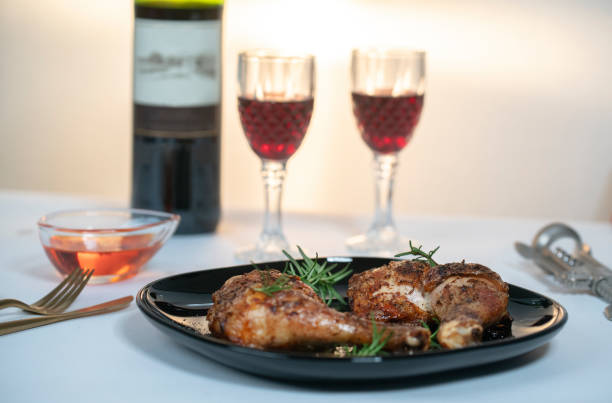
What Wine Pairs With Chicken Marsala
If you’re wondering which wine will elevate your chicken marsala, you’re in the right place. We’ll quickly guide you to the perfect match—whether you prefer a crisp white, a light red, or a versatile rosé. Expect clear recommendations, tasting notes, and serving tips that make pairing effortless. In just a few sentences you’ll know exactly what to uncork, so you can enjoy a harmonious dinner without any guesswork. Cheers to a delicious, perfectly paired meal tonight.
What is Chicken Marsala and Its Flavor Profile
Key ingredients in chicken marsala
Chicken Marsala is built around a few core ingredients that define its character. Chicken breasts or thighs, lightly pounded, provide a tender protein base. The star of the dish is Marsala wine, a fortified Italian wine that brings sweet, nutty, and caramel notes to the sauce.
Complementary aromatics include shallots or onions, garlic, and mushrooms, which add earthiness and umami depth. A splash of chicken broth balances the richness, while a knob of butter finishes the sauce with silkiness. Fresh herbs such as parsley lend a bright contrast.
When selecting a wine to sip alongside the meal, choose a dry or semi‑dry Marsala that mirrors the cooking wine, or opt for a Pinot Noir or Chardonnay whose acidity and fruit can echo the sauce’s sweet‑savory profile.
Understanding these ingredients helps you anticipate the ideal pairing and enhances the overall dining experience.
Taste notes of marsala sauce
The flavor profile of Chicken Marsala centers on the Marsala reduction, which imparts a sweet‑to‑savory backbone. As the wine cooks down, its natural sugars caramelize, creating rich amber notes with hints of dried fruit, such as apricot and raisin.
The sautéed mushrooms contribute an earthy, umami depth that balances the wine’s sweetness, while a touch of garlic and shallots adds aromatic sharpness. A splash of broth and a finish of butter lend a velvety mouthfeel, rounding out the sauce with subtle savory undertones.
When pairing a wine, aim for one that mirrors these characteristics: a dry Marsala or an Italian Pinot Grigio with bright acidity can cut through the richness, while a light‑bodied red like Barbera offers gentle tannins that complement the mushroom earthiness.
The goal is to echo the sauce’s sweet‑savory dance without overwhelming it.
How cooking method affects flavor
Cooking technique shapes the final taste of Chicken Marsala, turning simple ingredients into a cohesive dish. Searing the chicken first creates a golden crust that locks in juices and adds a caramelized flavor that pairs well with the wine’s sweetness.
After the meat is set aside, the deglazing step—adding Marsala to the hot pan—captures the browned bits, known as fond, and infuses the sauce with deep, roasted notes. Simmering the sauce gently reduces it, concentrating the sweet‑savory balance while allowing mushrooms to release their umami.
Finishing with a pat of cold butter at the end emulsifies the sauce, giving it a glossy texture and a richer mouthfeel. For wine pairing, consider a dry Marsala served slightly chilled, or a medium‑bodied white such as Viognier that can stand up to the buttery finish.
The cooking process ensures the wine and dish speak the same language of sweet, nutty, and earthy flavors.
Why Wine Pairing Matters for Chicken Marsala

The role of acidity and sweetness
The acidity in a wine cuts through the creamy mushroom sauce of chicken marsala, while a touch of sweetness mirrors the dish’s own marsala reduction. Choose a wine with bright acidity such as Sauvignon Blanc or a crisp Pinot Grigio; these options keep the palate refreshed between bites.
If you prefer a hint of fruit, a dry Riesling offers enough residual sugar to echo the marsala without becoming cloying. Avoid overly tannic reds because they can clash with the delicate protein and mask the subtle spice.
By matching the wine’s acid level to the sauce’s tang and its gentle sweetness to the caramelized mushrooms, you create a harmonious flavor bridge that elevates each spoonful.
A lightly oaked Chardonnay can also work, provided the oak influence remains subtle, allowing the wine’s natural acidity to stay in dialogue with the sauce. Taste before serving to ensure the balance feels lively, not heavy.
Balancing richness with wine
Chicken marsala is rich, thanks to butter, mushrooms, and the sweet‑savory marsala glaze. To prevent the wine from being drowned, select a bottle that offers enough body to stand up to that richness without adding excessive weight.
Medium‑bodied whites such as Viognier or an unoaked Chardonnay provide a silky texture that mirrors the sauce’s creaminess while keeping the overall mouthfeel light. If you enjoy red, opt for a light‑to‑medium Pinot Noir; its soft tannins and bright fruit complement the dish’s earthiness without overwhelming the poultry.
Avoid full‑bodied reds like Cabernet Sauvignon, whose firm structure can clash with the delicate protein and make the sauce feel greasy.
Consider the temperature: serving whites slightly chilled (45‑50°F) preserves their crispness, whereas reds should be just below room temperature (60‑65°F) to showcase their subtle fruit and keep the pairing elegant. By matching the wine’s weight to the dish’s richness, each bite feels balanced and the flavors linger pleasantly.
Impact on dining experience
The right wine does more than complement flavors; it shapes the entire dining atmosphere. A well‑chosen pairing for chicken marsala can turn a simple dinner into a memorable experience by highlighting the dish’s nuanced notes and encouraging conversation.
Select a wine that reflects the meal’s tone—for a relaxed evening, a crisp Sauvignon Blanc offers a refreshing finish that keeps the palate lively. For a more formal setting, a gently oaked Chardonnay adds a touch of elegance, its subtle vanilla echo resonating with the caramelized mushrooms.
The aroma of the wine also interacts with the steam of the hot sauce, creating a fragrant synergy that heightens anticipation.
Serve the wine in appropriate glassware: a white‑wine glass with a narrower rim concentrates the bouquet, while a red‑wine glass with a wider bowl allows Pinot Noir’s soft aromas to unfold.
By paying attention to these details, the wine becomes an active participant, enhancing texture, temperature perception, and overall satisfaction of the chicken marsala meal.
Best Types of Wine for Chicken Marsala

Dry Marsala wine as a match
When you want the most authentic pairing, reach for a dry Marsala. Its nutty, caramel‑sweet notes echo the sauce without overwhelming the chicken’s delicate flavor. Serve the wine slightly chilled (around 55°F) to highlight its bright acidity, which cuts through the buttery richness of the dish.
Taste before cooking: sip a small amount to ensure the wine’s dryness matches your palate. If you’re cooking with Marsala, use the same bottle for both the sauce and the glass—this creates a seamless flavor bridge.
Pairing with a dry style also keeps the overall meal from becoming overly sweet, preserving balance.
Light-bodied white wines
A crisp, light‑bodied white such as Pinot Grigio, Sauvignon Blanc, or an unoaked Chardonnay works wonderfully with chicken Marsala. These wines bring bright citrus and green‑apple acidity that lifts the earthy mushroom notes while complementing the subtle sweetness of the sauce. Serve them well‑chilled (45‑50°F) to maintain freshness.
Match the acidity: look for a wine with a moderate to high acidity level to counterbalance the buttery glaze. If you prefer a hint of herbaceous character, choose a Sauvignon Blanc with subtle herb notes, which will echo any rosemary or thyme used in the recipe.
This pairing keeps the meal light and refreshing.
Medium-bodied reds
For those who favor red wine, opt for a medium‑bodied red like Chianti, Merlot, or a light Barolo. These selections offer soft tannins and ripe fruit flavors—think cherry, plum, and gentle spice—that harmonize with the caramelized edges of the Marsala sauce.
Serve slightly below room temperature (around 60°F) to soften the tannic edge and let the fruit shine. Check the fruit profile: a wine with a touch of earthiness will echo the mushrooms, while a subtle spice note will complement any black pepper added to the dish.
Decant for 20‑30 minutes to open up aromas, ensuring a balanced, savory experience.
Sparkling options
If you enjoy bubbles, a dry sparkling wine such as Brut Champagne, Prosecco, or Cava can elevate chicken Marsala. The effervescence cleanses the palate between bites, while the wine’s acidity brightens the sauce’s sweet‑savory profile.
Choose a wine with low dosage (under 12 g/L) to keep it crisp rather than overly sweet. Serve chilled (45‑48°F) and pour gently to preserve the bubbles. Pairing with sparkling also adds a celebratory touch, making a simple dinner feel special.
The fine mousse cuts through the richness of the butter and mushrooms, delivering a refreshing contrast that enhances every flavor layer.
How to Choose the Right White Wine
Chardonnay vs. Pinot Grigio
When deciding between Chardonnay and Pinot Grigio for chicken marsala, consider the sauce’s buttery richness and sweet‑savory depth. Full‑bodied, oaked Chardonnay offers creamy texture, gentle vanilla notes, and enough acidity to balance the mushroom‑laden sauce, enhancing the dish’s luxurious feel.
Choose a Chardonnay with moderate oak to avoid overwhelming the delicate marsala flavor. Crisp, unoaked Pinot Grigio provides bright citrus and green apple aromas that can cut through the sauce’s richness, delivering a refreshing contrast that keeps the palate lively.
If you prefer a lighter, more mineral finish, Pinot Grigio’s clean profile works well, especially with a sauce that leans toward the drier side of marsala. Ultimately, match the wine’s weight to your personal taste: richer, buttery dishes pair nicely with Chardonnay, while a leaner, zestier experience favors Pinot Grigio.
Either choice will complement the chicken’s tenderness while highlighting the earthy mushrooms and sweet wine base.
Sauvignon Blanc with herb notes
Sauvignon Blanc’s vibrant acidity and herbaceous aromatics make it a smart partner for chicken marsala, especially when the dish includes thyme, rosemary, or parsley. Bright citrus notes such as lemon and grapefruit lift the sweet marsala reduction, while the wine’s grassy undertones echo the earthy mushrooms.
Look for a Sauvignon Blanc with moderate oak influence; a touch of herb‑forward profile will mirror the seasoning in the sauce, creating a seamless flavor bridge. The wine’s crisp finish also helps cleanse the palate between bites, preventing the richness from feeling heavy.
If the marsala sauce leans toward a sweeter style, choose a bottle with slightly lower acidity to maintain balance. Overall, the combination of lively acidity, subtle herb notes, and a clean finish ensures the white wine enhances the chicken’s tenderness and the sauce’s complexity without competing with it.
Verdicchio for subtle minerality
Verdicchio, an Italian white from the Marche region, offers a subtle minerality and gentle almond finish that pairs beautifully with chicken marsala’s mushroom‑laden sauce.
Soft acidity provides enough lift to cut through the buttery marsala glaze, while the wine’s faint stone‑fruit flavors, such as green apple and pear, complement the sweet undertones of the cooking wine. The characteristic minerally crisp edge mirrors the earthy mushrooms, creating a harmonious dialogue between food and glass.
Choose a Verdicchio aged a few months on its lees for added texture and a hint of creaminess that matches the sauce’s richness without overwhelming it.
This wine’s understated elegance allows the chicken’s tenderness and the sauce’s depth to shine, making it an excellent alternative to more common pairings while still delivering balance and refinement. Serve it slightly chilled, around 10‑12°C, to preserve its bright character and ensure the pairing remains lively throughout the meal.
How to Choose the Right Red Wine
Pinot Noir for gentle tannins
Pinot Noir’s light body and soft tannins make it an ideal companion for chicken marsala’s creamy mushroom sauce. Choose a fruit‑forward Pinot Noir from a cooler climate such as Oregon or Burgundy to keep the palate fresh.
The wine’s subtle cherry and raspberry notes echo the dish’s sweet marsala reduction without overwhelming the delicate chicken. Serve the wine slightly chilled, around 55°F, to enhance its bright acidity and soften any residual tannin. Match the wine’s temperature to the dish’s warmth for a balanced mouthfeel.
When selecting a bottle, look for a label that mentions low tannin and moderate alcohol (12‑13%). This ensures the wine won’t compete with the sauce’s richness, allowing the mushroom‑infused flavors to shine through.
Pair it with a side of roasted vegetables or a light risotto to keep the meal cohesive, and let the wine’s gentle structure cleanse the palate between bites.
Barbera for bright acidity
Barbera’s high acidity and moderate fruit intensity cut through the buttery marsala sauce, creating a lively contrast that lifts the chicken’s flavor. Select a Barbera d’Asti or a Barbera from Piedmont with bright cherry and plum notes and a hint of spice.
The wine’s crisp acidity balances the sweetness of the marsala, while its soft tannins prevent heaviness. Serve Barbera slightly cooler than room temperature, about 58°F, to accentuate its zestiness. Pay attention to the alcohol level, aiming for 13‑14% to keep the wine lively without overpowering the dish.
When pairing, choose a Barbera that displays a clean finish and minimal oak influence, ensuring the focus stays on the mushroom‑laden sauce. Complement the pairing with a simple green salad dressed in lemon vinaigrette to echo the wine’s acidity and keep the overall meal refreshing.
Gamay for fruit-forward profile
Gamay, especially from the Beaujolais region, offers a light‑bodied, fruit‑forward profile that pairs beautifully with chicken marsala’s sweet‑savory balance. Look for a Beaujolais Villages or a Cru Beaujolais that showcases bright raspberry, strawberry, and subtle peppery notes.
The wine’s low tannins and lively acidity cut through the creamy mushroom sauce while its juicy fruit mirrors the marsala’s caramelized edge. Serve Gamay chilled to about 54°F to preserve its freshness and enhance the fruit aromatics.
Focus on the wine’s freshness, selecting bottles with a recent vintage (1‑2 years old) to maintain vibrant fruit character. Pair the dish with a side of sautéed asparagus or a light polenta, which will echo the wine’s earthiness without adding heaviness.
This combination lets the chicken’s tender texture and the wine’s playful fruit dance together on the palate. Enjoy the harmonious blend as each sip brightens the sauce’s depth.
Tips for Serving Wine with Chicken Marsala
Ideal serving temperature
When serving a wine with Chicken Marsala, temperature plays a crucial role in highlighting the dish’s sweet‑savory profile. Aim for a light‑to‑medium‑bodied white such as a dry Riesling or a lightly oaked Chardonnay at 45‑50°F (7‑10°C).
This cooler range preserves the wine’s crisp acidity, allowing it to cut through the mushroom‑laden sauce without becoming flabby. If you prefer a red, choose a Pinot Noir and serve it slightly warmer, around 55‑60°F (13‑16°C), to soften tannins and enhance fruit notes that echo the Marsala’s caramel tones.
Avoid overly chilled reds or room‑temperature whites, as they can mute flavors and create a mismatch. Let the bottle rest in an ice bucket for whites or a wine cooler for reds, and check the temperature with a calibrated thermometer before pouring.
Serve the wine in small pours, allowing guests to appreciate the nuanced balance between the sauce and the wine.
Glassware recommendations
Choosing the right glass enhances the aromatic expression of the wine paired with Chicken Marsala.
For a white like dry Riesling, opt for a U‑shaped white wine glass with a narrow rim; this concentrates the citrus and mineral notes while directing the wine to the tip of the tongue where acidity shines.
If you select a Chardonnay, a slightly larger balloon‑style glass allows gentle oxidation, releasing buttery and vanilla nuances that echo the dish’s buttery richness.
When serving a light‑bodied red such as Pinot Noir, use a tulip‑shaped red wine glass with a modest bowl; this shape preserves delicate tannins and guides the fruit aromas toward the nose.
Avoid oversized goblets that disperse aromas too quickly, and steer clear of overly thin stems that can become warm from hand heat. Proper glassware ensures each sip delivers balanced flavor, aroma, and texture in harmony with the Marsala sauce.
Decanting and aeration tips
Even though many wines for Chicken Marsala are ready to drink, a brief aeration can unlock hidden layers that complement the dish’s earthy mushrooms and sweet sauce.
For a white such as dry Riesling, pour the wine into a wide‑bowl carafe for 5‑10 minutes; this exposure to air softens any sharp acidity and highlights floral notes that mirror the herbs in the recipe.
With a lightly oaked Chardonnay, a short decant of 10‑15 minutes helps the buttery oak integrate smoothly with the sauce’s richness.
If you prefer a Pinot Noir, use a decanter or a swirl in the glass for 3‑5 minutes to release subtle berry aromas and soften tannins, creating a silkier mouthfeel. Avoid over‑decanting reds, as excessive oxygen can flatten their delicate profile.
These simple steps ensure the wine remains vibrant and harmonious throughout the meal.
Common Pairing Mistakes to Avoid
Overly oaky wines
Choosing a heavily oaked Chardonnay or a barrel‑aged white can overwhelm the delicate mushroom‑and‑Marsala sauce. The strong vanilla, toast, and buttery notes compete with the subtle earthiness of the dish, leaving the palate feeling coated rather than refreshed.
Avoid wines that boast intense oak integration; they mask the sauce’s nuanced sweetness and the chicken’s tenderness. Instead, reach for a lightly oaked or unoaked white such as a Pinot Grigio, Sauvignon Blanc, or an unoaked Chardonnay.
These options provide crisp acidity and bright fruit that cut through the sauce without dominating it, allowing the Marsala’s caramelized flavors to shine. Key point: balance the wine’s structure with the sauce’s gentle richness, not drown it in oak.
A modest hint of citrus or green apple in the wine will echo the slight acidity of the Marsala, creating a harmonious finish that keeps the dish lively.
Too sweet dessert wines
Reaching for a late‑harvest Riesling, Sauternes, or any dessert‑style wine might seem tempting because the Marsala sauce already carries a sweet, caramel note. However, the extra sugar amplifies the sweetness, turning the pairing into a cloying experience that masks the savory chicken and mushroom undertones.
Avoid wines with residual sugar levels above 3 g/L; they will drown the delicate balance of umami and acidity. A better match is a dry or off‑dry white with bright acidity, such as a dry Riesling, Vermentino, or a lightly chilled Pinot Noir (white‑styled).
These choices provide enough fruit to complement the sauce while preserving a crisp finish that refreshes the palate. Key point: keep the wine’s sweetness in check so the dish’s savory depth remains the star. A subtle minerality in the wine will echo the earthy mushrooms, adding complexity without adding sweetness.
Heavy full-bodied reds
Opting for a robust Cabernet Sauvignon, Syrah, or a high‑tannin Merlot can drown the nuanced flavors of chicken marsala. The wine’s bold dark fruit, firm structure, and lingering oak create a mouthfeel that competes with the sauce’s gentle sweetness and the tender poultry, resulting in a mismatched, heavy finish.
Avoid wines with high tannin and alcohol levels above 13.5 % that dominate the palate. Instead, select a medium‑bodied red with soft tannins and bright acidity, such as a Chianti Classico, Barbera, or a Pinot Noir.
These wines offer red‑berry fruit and a subtle earthiness that complement the mushroom component while allowing the Marsala’s caramel notes to remain prominent. Key point: choose a red that lifts the dish without overwhelming its delicate balance.
A wine with a moderate alcohol level and a hint of spice will echo the peppery undertones of the sauce, enhancing overall harmony.
Frequently Asked Questions
What type of wine best complements the flavors of chicken marsala?
A medium-bodied white wine with bright acidity, such as a Pinot Grigio or an unoaked Chardonnay, balances the mushroom and Marsala sauce without overwhelming the dish.
Can a red wine be paired with chicken marsala?
Yes, a light‑to‑medium red like a Pinot Noir or a Chianti Classico works well; its subtle tannins and fruit notes complement the earthy mushrooms and sweet sauce.
Should I choose a dry or sweet wine for chicken marsala?
A dry or off‑dry wine is ideal. The dryness cuts through the richness of the sauce, while a hint of fruitiness enhances the Marsala’s sweet undertones.
What specific Italian wines pair nicely with chicken marsala?
Italian options such as Soave, Verdicchio, or a lightly oaked Gavi provide crisp acidity and minerality that echo the dish’s Italian roots.
How does the cooking method affect the wine pairing?
If the chicken is pan‑seared and the sauce is reduced, a wine with higher acidity helps cleanse the palate; if the sauce is richer and creamier, a wine with a bit more body, like a lightly oaked Chardonnay, adds balance.
Are there any non‑alcoholic alternatives that work as a pairing?
A sparkling water infused with a splash of lemon or a non‑alcoholic white wine with crisp acidity can mimic the refreshing qualities of a traditional wine pairing.
Conclusion
In short, a bright, medium‑bodied white like a dry Riesling or a lightly oaked Chardonnay, and a soft red such as a Pinot Noir or a Barbera, complement chicken marsala’s sweet mushroom sauce perfectly. Remember to match the wine’s acidity with the dish’s richness, and enjoy the harmony of flavors. Experiment, share your favorite pairing, and let your next dinner shine.
