
What Wine Pairs With Spaghetti
Looking for the perfect wine to elevate your spaghetti night? You’ve come to the right place. In the next few lines we’ll quickly match classic tomato‑based sauces with reds that complement their acidity, and suggest lighter whites for creamy or seafood twists. Whether you’re a seasoned sipper or a casual diner, our guide pinpoints the ideal bottle, so you can pour, twirl, and enjoy without second‑guessing. Let’s uncork the answer right now. Cheers to a delicious pairing you’ll love forever.
What is the ideal wine for classic tomato spaghetti?
Red wines that complement acidity
Choose a wine that mirrors the bright acidity of the tomato sauce. Sangiovese from Tuscany offers vibrant cherry and herb notes that lift the dish without overwhelming it. Chianti Classico provides a firm tannic backbone that cuts through the sauce’s richness while its bright acidity keeps the palate fresh.
For a slightly fruitier option, Barbera from Piedmont delivers soft tannins and a juicy plum character that harmonizes with the sweet‑tart tomato base. When selecting, look for wines with moderate alcohol (12‑13%) and pronounced acidity; these traits prevent the wine from feeling heavy beside the pasta.
Serve slightly chilled, around 60°F, to accentuate the crispness. By matching the wine’s acidity to the sauce, each bite and sip feel cohesive, enhancing the overall dining experience.
Pair it with a modestly seasoned meatball or a sprinkle of Parmesan to further integrate flavors, and avoid overly oak‑heavy selections that can mask the sauce’s nuance.
Light-bodied reds for a balanced taste
Opt for a feather‑light red that won’t dominate the delicate balance of tomato, garlic, and olive oil. Pinot Noir from cooler climates, such as Oregon or Burgundy, brings soft red‑fruit aromas and a silky texture that echo the sauce’s subtle sweetness.
Its low tannin profile allows the herbaceous basil and oregano to shine without competition. Dolcetto from the Langhe region offers a gentle bitterness and bright cherry finish, delivering just enough structure to support the pasta while staying approachable.
When serving, keep the bottle slightly cooler than room temperature, around 55‑58°F, to preserve freshness and prevent the alcohol from becoming overpowering. Pair these wines with a modest amount of grated Pecorino or a drizzle of extra‑virgin olive oil to create a harmonious mouthfeel.
The result is a seamless dialogue between wine and dish, where each sip refreshes the palate and prepares it for the next forkful.
Why not white?
While white wines are often suggested for pasta, they rarely capture the robust character of a classic tomato spaghetti. The high acidity and slight sweetness of the sauce call for red fruit flavors that can stand up to the cooked tomatoes’ depth.
A dry Riesling or Sauvignon Blanc may offer bright acidity, but their citrus‑forward profile can clash with the herb‑laden sauce, leaving the palate feeling disjointed. Moreover, the modest tannins in light reds provide a gentle grip that helps cleanse the palate between bites, something most whites lack.
If you prefer a white, choose one with a touch of oak and a fuller body, such as a Chardonnay from a cooler region, yet still expect a less integrated pairing.
Ultimately, selecting a red wine ensures the meal feels cohesive, allowing the tomato’s richness and the wine’s fruitiness to complement each other rather than compete.
How to match wine with different spaghetti sauces
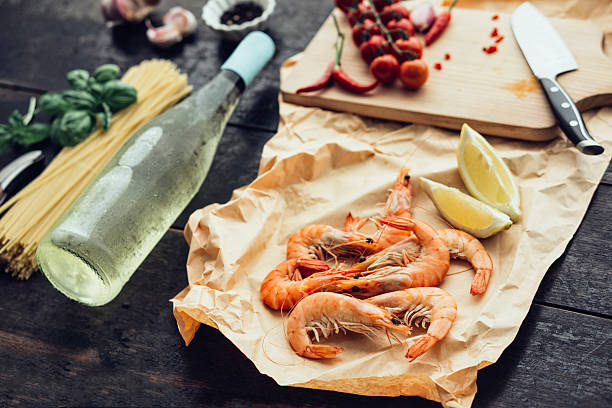
Meat-based sauces
When you’re serving a hearty meat‑based spaghetti—think Bolognese, meatballs, or sausage‑tomato ragù—look for wines that can stand up to the protein and acidity.
A medium‑to‑full‑bodied red with good tannins such as Chianti Classico, Sangiovese, or a Barbera d’Asti works beautifully; the acidity cuts through the sauce while the fruit mirrors the tomato base. Nebbiolo or a young Barolo adds elegant structure and a hint of earthiness that complements slow‑cooked meat.
If you prefer a softer profile, a Merlot or a Cabernet Sauvignon from a cooler climate offers ripe plum notes without overwhelming the dish.
Serve the wine slightly below room temperature (about 16‑18 °C) to keep the fruit fresh and the tannins supple, ensuring each bite of sauce is balanced by a sip that refreshes the palate and leaves a lingering, pleasant finish that ties the meal together.
Creamy sauces
Cream‑based spaghetti sauces—such as Alfredo, carbonara, or a rich four‑cheese blend—require wines with bright acidity and a touch of richness to cut through the butter and dairy.
A crisp white with moderate body like a Chardonnay from a cooler region (Burgundy or Sonoma Coast) offers buttery notes that echo the sauce while its acidity prevents heaviness. An Italian Pinot Grigio provides citrus sparkle and a clean finish, perfect for lighter cream sauces.
For those who enjoy a hint of sparkle, a dry Prosecco or a Vinho Verde adds effervescence that lifts the palate. If you prefer red, choose a light‑bodied, low‑tannin option such as a Gamay (Beaujolais) or a young Barbera; the fruitiness complements the salty cheese without clashing.
Serve whites chilled at 10‑12 °C and reds slightly cooler than room temperature to maintain balance and keep the sauce’s silkiness in harmony with the wine.
Pesto and herb sauces
Pesto, chimichurri, or other herb‑forward spaghetti sauces bring bright, vegetal flavors that thrive with wines offering green acidity and subtle herbaceous notes. A Sauvignon Blanc from the Loire Valley or New Zealand delivers citrus zest, grassy undertones, and a lively acidity that mirrors the basil and parsley in the sauce.
A dry Vermentino from Italy’s Ligurian coast provides a saline minerality and a hint of almond that complements the pine nuts and olive oil. For red‑wine lovers, a light, aromatic Pinot Noir—especially from Oregon or Burgundy—offers red‑fruit softness and a touch of earth that won’t overwhelm the herbs.
An alternative is a dry rosé (Provence or Italian Cerasuolo) whose crisp red‑berry profile and refreshing finish accentuate the sauce’s freshness. Serve whites at 10‑12 °C, rosés slightly cooler, and reds at 14‑16 °C to ensure the wine’s acidity lifts the herbaceous sauce without masking its nuanced flavors.
Tips for choosing wine based on spaghetti ingredients
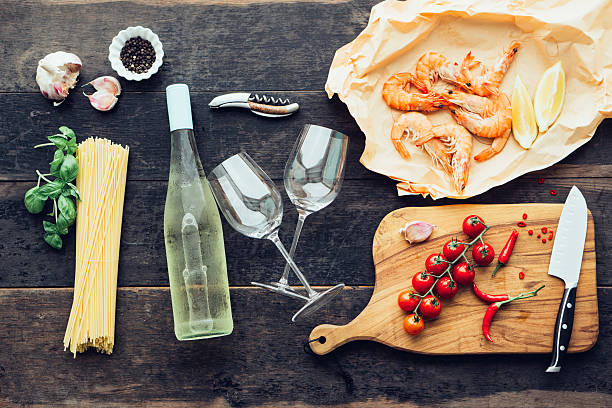
Spice level and heat
Assess the heat of your spaghetti sauce before reaching for a bottle.
High‑spice sauces—think arrabbiata or chili‑infused marinara—benefit from wines with bright acidity and lower alcohol, such as a crisp Pinot Grigio or a dry Riesling, because the acidity cuts through the heat and the modest alcohol won’t amplify the burn.
If the sauce is only mildly seasoned, you can step up to a medium‑bodied red like Chianti Classico, whose soft tannins complement tomato sweetness without overwhelming spice.
For dishes that blend heat with creamy elements, a lightly oaked Chardonnay offers enough fruit to balance the pepper while providing a buttery mouthfeel. Always taste a sip first; the wine should refresh the palate and tame the heat, not clash with it.
Adjust the temperature—serve whites chilled and reds slightly below room temperature—to enhance the pairing.
Cheese type matters
Identify the cheese that crowns your spaghetti, because the dairy component dictates the wine’s texture and acidity needs.
Hard, salty cheeses such as Parmigiano‑Reggiano or Pecorino Romano pair beautifully with a bright, medium‑acid red like Barbera d’Asti; the wine’s lively acidity lifts the cheese’s grainy richness while its soft tannins keep the palate clean.
If you’re using a milder, creamy cheese like mozzarella or ricotta, opt for a fruit‑forward white such as Verdicchio or a light‑bodied red like Dolcetto, both of which provide enough fruit to echo the cheese’s subtle sweetness without drowning it.
For baked spaghetti dishes topped with a golden cheese crust, a fuller‑bodied white with a hint of oak, for example a Chardonnay from Burgundy, can match the caramelized notes.
Remember to match intensity: the wine should be strong enough to stand up to the cheese but not so bold that it masks the sauce.
Fresh herbs and their impact
Take note of the fresh herbs you stir into the sauce, as they can shift the wine’s flavor profile dramatically.
Basil‑forward sauces release sweet, peppery aromatics that harmonize with a light, aromatic red like a Gamay or a fragrant white such as a Sauvignon Blanc; the herbaceous notes in the wine echo the basil and keep the dish lively.
When oregano or thyme dominate, choose a wine with earthy undertones—think a Sangiovese or a Nebbiolo—so the herbal spice is mirrored rather than overwhelmed.
Parsley or mint adds a bright, almost citrus edge; a crisp Italian Pinot Grigio or a dry rosé with subtle red fruit can accentuate that freshness while providing enough acidity to balance the tomato base.
In every case, align the herb’s character with the wine’s aroma and acidity to create a seamless, palate‑pleasing experience.
Best ways to serve wine with spaghetti dinner
Temperature guidelines
Serve red wines slightly below room temperature to keep fruit flavors bright and tannins smooth. For classic tomato‑based spaghetti, aim for 60‑65°F (15‑18°C). Chill a light‑bodied Chianti or Sangiovese in the refrigerator for about 20 minutes before serving, then let it sit for a few minutes to avoid over‑cooling.
If you prefer a white, target 50‑55°F (10‑13°C) for a crisp Pinot Grigio or Verdicchio, which balances acidity with the sauce. Key tip: Use a wine thermometer or the back‑of‑hand test—cold to the touch but not icy.
Avoid: Serving full‑bodied reds at too warm a temperature, as they can become flabby and mask the herbs in the dish. Adjust temperature based on the specific wine style and personal preference for optimal pairing.
Taste the wine a few sips before the first bite to confirm the harmony; you should notice the acidity cutting through the tomato while the fruit echoes the herbs.
Glassware selection
Choosing the right glass enhances aroma delivery and sip comfort, crucial for spaghetti pairings. For red sauces, opt for a medium‑bowl Bordeaux or Chianti glass that concentrates fruit notes while allowing gentle oxygen flow.
The slightly tapered rim directs wine to the palate’s sweet spot, highlighting acidity that balances tomato richness. If you serve a white like Pinot Grigio, a narrower, U‑shaped glass preserves its crispness and showcases subtle floral aromas.
Key tip: Avoid overly large, bell‑shaped glasses for light reds, as they can dissipate delicate flavors. Pro tip: Ensure glasses are crystal‑clear and free of residues; a spotless surface lets you appreciate the wine’s color and clarity, reinforcing the visual appeal of the dinner.
Pair each glass with the corresponding wine style to maximize the interplay of texture, flavor, and aroma throughout the meal.
Decanting tips
Decanting can soften tannins and release aromatic compounds, making the wine more harmonious with a hearty spaghetti sauce.
For medium‑bodied reds such as Sangiovese or Montepulciano, pour the wine into a decanter and let it rest for 20‑30 minutes; this brief exposure to air brightens fruit and mellows any sharp edges. Swirl gently to increase surface area, but avoid vigorous shaking that could over‑oxidize delicate notes.
Key tip: Use a clear, wide‑bottomed decanter to allow even oxygen flow and to monitor color change—if the wine turns dull, it may be over‑exposed.
Pro tip: If you lack a decanter, a clean pitcher or even a large glass jar works; just let the wine sit uncovered for the same time. Serve the decanted wine promptly, tasting periodically to ensure it stays balanced with the pasta’s acidity and herbs.
What to avoid when pairing wine with spaghetti
Overpowering tannins
Avoid wines with strong tannic structure that can dominate the delicate tomato sauce and pasta texture. High‑tannin reds such as young Cabernet Sauvignon or Nebbiolo create a drying sensation that clashes with the acidity of the sauce, leaving the palate feeling rough and unbalanced.
Instead, choose lighter reds with softer tannins, like Chianti Classico or Sangiovese, which complement rather than overpower.
When selecting a bottle, look for descriptors like “silky” or “smooth” on the label, and steer clear of wines described as “firm” or “astringent.” By skipping overly tannic options, you preserve the harmony between the wine’s fruit and the spaghetti’s herbs, ensuring each sip enhances the dish instead of masking its flavors.
Serve the wine slightly below room temperature, around 16‑18 °C, to keep the tannins soft and the fruit bright. This temperature control further prevents the wine from feeling harsh against the pasta.
Too sweet wines
Steer clear of overly sweet wines that can clash with the savory and acidic nature of spaghetti sauces. Sweet reds like Lambrusco or dessert-style Zinfandel add a sugary layer that competes with the tomato’s natural acidity, making the dish taste flat and the wine cloying.
When the wine’s residual sugar outweighs the sauce’s tang, the balance tips toward a syrupy mouthfeel, masking herbs and spices.
To avoid this, check the label for terms such as “late harvest,” “ice wine,” or “dolcetto” (when it’s produced in a sweeter style) and opt for dry or off‑dry selections instead.
Pairing a dry Chianti, Barbera, or a crisp white like Verdicchio keeps the palate refreshed, allowing the wine’s subtle fruit to highlight the sauce without overwhelming it.
Serve the wine chilled at around 12‑14 °C for whites, or slightly cooler than room temperature for reds, to ensure the sweetness does not dominate the flavor profile.
Mismatched acidity
Watch out for wines whose acidity is either too low or too sharp compared to the bright tomato base of spaghetti.
Low‑acid wines such as Merlot or some New World Pinot Noir can make the sauce taste dull, as the wine fails to cut through the richness of olive oil and cheese, leaving a flabby finish.
Conversely, high‑acid wines like Sauvignon Blanc or a very tart Chianti can overpower the dish, turning the palate sour and masking the herbs. The key is to match the wine’s acidity level with the sauce’s pH, aiming for a balanced lift that brightens each bite without dominating it.
Look for tasting notes that mention “crisp,” “bright,” or “balanced acidity,” and avoid descriptors like “flat” or “sharp.” Serving the wine at the proper temperature—slightly cooler for whites and just below room temperature for reds—helps maintain the right acidity balance, ensuring the spaghetti and wine work together harmoniously.
How to pair wine on a budget for spaghetti meals
Affordable Italian reds
Choose an Italian red that delivers classic spaghetti flavor without breaking the bank. Look for Chianti Classico Riserva in the $8‑$12 range; its bright acidity and soft tannins cut through tomato sauce while highlighting herbs.
Montepulciano d’Abruzzo offers a fruit‑forward profile with a touch of spice, perfect for meat‑based ragù, and often sells for under $10. If you prefer a fuller body, seek out Nero d’Avola from Sicily, which brings dark berry notes that complement hearty meatballs.
Shop the bulk bins or value shelves at warehouse clubs, where you can buy a 750 ml bottle for a fraction of the label price.
Taste before you buy by requesting a small pour at the tasting counter, then compare price‑per‑ounce to ensure you’re getting the best deal for your spaghetti night. Pair the wine with a simple garlic‑bread side to round out the meal and keep the budget-friendly vibe.
Value white alternatives
White wines can surprise you with a fresh lift for tomato‑based spaghetti, especially when you’re watching costs. Pinot Grigio from the Veneto region is widely available for $6‑$9 and offers crisp citrus notes that brighten the acidity of the sauce.
For a slightly richer mouthfeel, try Soave Classico, a light‑to‑medium body wine with almond undertones that harmonize with garlic and basil. If you enjoy a touch of sweetness, Moscato d’Asti (often under $8) adds a subtle honeyed finish that balances spicy arrabbiata without overwhelming the palate.
Look for these labels in the “value” aisle of supermarkets or in the private‑label sections of wine clubs, where the same grape quality is offered at reduced prices.
Check the vintage – recent years tend to be fruitier and more approachable, making them ideal companions for a quick spaghetti dinner on a shoestring budget.
Finding deals at stores
Scoring a great wine for spaghetti doesn’t require a sommelier’s budget; smart shopping habits do the trick. Visit local discount grocers such as Aldi, Lidl, or Save‑A‑Lot, where private‑label Italian reds and whites are stocked at $4‑$7 per bottle and often receive high consumer ratings.
Join loyalty programs at larger chains like Total Wine or BevMo; members earn points that translate into instant discounts or exclusive “buy‑one‑get‑one” offers on popular spaghetti‑pairing wines. Don’t overlook warehouse clubs – buying a case of Chianti or Pinot Grigio can shave $2‑$3 off each bottle compared to single‑unit pricing.
Use price‑comparison apps (e.g., Wine‑Searcher or Vivino) to scan labels and instantly see the lowest nearby price. Finally, shop during holiday sales (Black Friday, pre‑Christmas) when many retailers clear inventory, giving you premium‑quality bottles at bargain‑bin prices perfect for feeding a family of pasta lovers without overspending.
Frequently asked questions about spaghetti wine pairing
Can I pair rosé with spaghetti?
Yes, a dry rosé works surprisingly well with many spaghetti dishes. Choose a rosé with bright acidity and light red fruit flavors; it will cut through tomato‑based sauces while complementing herbs like basil and oregano.
For a classic marinara, pick a Provençal rosé that offers citrus notes and a crisp finish. If your spaghetti includes seafood or a light olive‑oil drizzle, a cooler rosé from Italy’s Veneto region adds a subtle minerality that enhances the dish without overwhelming it.
Serve the wine slightly chilled, around 50‑55°F, to keep the palate fresh. Tip: Keep the rosé away from overly sweet styles, as they can clash with the savory sauce.
By matching the wine’s acidity to the sauce’s tang, you create a balanced pairing that highlights both the pasta and the wine. Enjoy the pairing with a simple side salad and a slice of crusty bread to complete the meal.
Is sparkling wine a good match?
Sparkling wine can be a delightful companion to spaghetti, especially when the dish features rich or creamy sauces. The high acidity and effervescence cleanse the palate between bites, preventing the pasta from feeling heavy.
For a classic spaghetti carbonara, choose a Brut Champagne or a dry Prosecco; the fine bubbles highlight the salty pancetta and the silky egg yolk without competing with the flavors.
If you prefer a tomato‑based sauce, an extra‑dry Cava works well, offering bright citrus notes that balance the acidity of the sauce. Serve the sparkling wine chilled at 45‑50°F and pour it into a flute to preserve the bubbles.
Pro tip: Avoid overly sweet styles like Demi‑Sec, as they can make the sauce taste sour. Pairing sparkling wine with spaghetti adds a festive touch and keeps the dining experience lively and refreshing.
What about non-alcoholic options?
Non‑alcoholic beverages can be just as satisfying with spaghetti, offering flavor balance without the effects of alcohol. Select drinks with bright acidity or subtle fruit notes to mirror the sauce’s profile.
A well‑crafted sparkling water infused with lemon or lime provides the fizz that cleanses the palate, similar to a dry white wine. For richer sauces like Bolognese, try a lightly sweetened pomegranate‑apple spritzer; the tartness cuts through the meat’s richness while the gentle sweetness complements the tomato base.
Another excellent choice is a chilled herbal tea such as rosemary‑mint; the herbaceous aroma echoes the Italian herbs in the dish and adds a soothing finish. Serve these drinks at a cool temperature, around 45‑55°F, and present them in elegant glasses to elevate the dining experience.
Tip: Avoid overly sugary sodas, as they can overwhelm the delicate flavors of the pasta and sauce.
Frequently Asked Questions
What type of wine pairs best with classic tomato-based spaghetti sauce?
A medium-bodied red wine with moderate acidity, such as Chianti Classico or Sangiovese, complements the acidity and sweetness of tomato sauce. The tannins are gentle enough to enhance the dish without overpowering it.
Can white wine be a good match for spaghetti with meatballs?
Yes, a fuller-bodied white like an oaked Chardonnay or a Viognier works well, offering enough richness to stand up to the meat while its acidity cuts through the sauce. This pairing balances the hearty protein with bright fruit notes.
What rosé wines work well with spaghetti alla carbonara?
A dry rosé, especially from Provence or a Spanish rosado, provides a crisp acidity and subtle red fruit that complements the creamy, salty sauce without clashing with the pancetta. Its light body keeps the dish feeling fresh.
Which red wines suit spaghetti with pesto sauce?
A light, herbaceous red such as a Valpolicella or a young Barbera pairs nicely, echoing the herbal flavors of the pesto while offering enough acidity to balance the olive oil richness.
Is there a sparkling wine that pairs nicely with spicy arrabbiata spaghetti?
A Brut sparkling wine or an Italian Prosecco offers bright acidity and effervescence that can tame the heat of arrabbiata sauce, while its fruitiness complements the tomato base.
How should I choose a wine if my spaghetti includes seafood?
Opt for a crisp white like a Vermentino, Pinot Grigio, or a dry Albariño. These wines have mineral notes and high acidity that enhance the delicate flavors of seafood without overwhelming them.
Conclusion
In short, the perfect wine for spaghetti hinges on sauce, seasoning, and personal taste. Light, acidic reds like Chianti or Sangiovese complement tomato‑based dishes, while richer reds such as Barolo suit meat‑laden sauces. For creamy or seafood varieties, a crisp white like Pinot Grigio or a dry rosé shines. Experiment, trust your palate, and enjoy the delicious harmony each pairing creates.

