
What Wine Goes With Shrimp Scampi
If you’re wondering what wine pairs best with shrimp scampi, you’re in the right place. We’ll quickly guide you to the perfect match—think crisp, citrus‑bright whites that cut through the buttery garlic sauce while highlighting the sweet shrimp. Expect recommendations like Sauvignon Blanc, Pinot Grigio, or a light Chardonnay, plus a few surprising alternatives. In just a few sentences, you’ll know exactly which bottle to uncork for a flawless dinner and impress your guests every time.
What wine pairs best with shrimp scampi
Key flavor components of shrimp scampi
Shrimp scampi delivers a bright, buttery sauce that blends garlic, lemon juice, and a touch of white wine with the natural sweetness of the crustacean. Garlic provides a pungent backbone, while lemon adds acidity that cuts through the richness.
The butter creates a silky mouthfeel, and the shrimp’s briny sweetness balances the sauce’s savory depth. Fresh herbs such as parsley contribute a light herbal note, and a pinch of red‑pepper flakes can introduce a subtle heat.
Understanding these components helps you match a wine that mirrors the dish’s acidity, enhances its buttery texture, and complements the seafood’s delicate flavor without overwhelming it. Aim for a wine that offers bright citrus, moderate body, and a clean finish to echo the lemon‑butter harmony while letting the shrimp shine.
Consider the dish’s slight sweetness and the occasional splash of parsley for a herbaceous lift that can be echoed by a wine’s subtle minerality.
Why white wines are a natural match
White wines naturally align with shrimp scampi because they share the dish’s bright acidity and light‑to‑medium body. Sauvignon Blanc delivers crisp citrus and green herb notes that mirror the lemon‑garlic sauce, while its high acidity cuts through butter without adding heaviness.
Pinot Grigio offers a clean, mineral backbone that accentuates the shrimp’s briny sweetness and lets the parsley’s freshness shine. Chardonnay—especially unoaked or lightly oaked styles—provides a buttery roundness that echoes the sauce’s richness, yet retains enough acidity to keep the palate refreshed.
The low tannin levels in whites prevent a clash with the delicate seafood, and their subtle fruit profiles enhance rather than mask the dish’s nuanced flavors. Selecting a white wine with a balanced acidity‑fruit‑minerality trio ensures the pairing amplifies the scampi’s buttery lemon glow while preserving the shrimp’s natural sweetness.
Common mistakes to avoid
Pairing shrimp scampi can go wrong when the wine’s profile overwhelms the delicate seafood or clashes with the sauce’s buttery acidity. Avoid heavy, oak‑driven reds such as Cabernet Sauvignon; their high tannins and strong fruit can mask the shrimp’s subtle sweetness and make the lemon feel sour.
Likewise, overly sweet wines like Riesling or Moscato can turn the dish’s bright acidity into a cloying taste, drowning the garlic’s bite. Choosing a wine with too much body, for example a full‑bodied Chardonnay, may compete with the sauce’s richness rather than complement it.
Another pitfall is neglecting temperature—serving white wine too warm dulls its crispness, while overly chilled wine can mute flavor nuance. Stick to light‑to‑medium white wines, serve them chilled but not icy, and keep the flavor balance in mind to let the scampi’s garlic‑lemon butter shine.
How to choose a wine based on sauce style
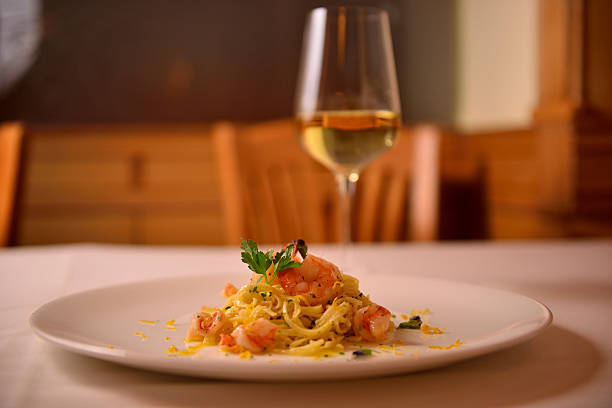
Classic garlic‑butter sauce
Pair a buttery, garlicky shrimp scampi with a crisp, unoaked white that can cut through the richness while echoing the garlic notes. Choose a Sauvignon Blanc from the Loire or New Zealand for its bright acidity and herbaceous edge; it lifts the sauce and balances the butter.
Alternatively, a dry Pinot Grigio offers subtle citrus and a clean finish that won’t overwhelm the delicate shrimp. Serve the wine chilled at 45‑50°F and let the first sip precede the bite, allowing the acidity to cleanse the palate.
When selecting a bottle, look for bright minerality and a hint of green apple, which mirror the fresh parsley often sprinkled on top. Avoid heavy oak‑aged whites, as they can mask the sauce’s subtle flavors. Pairing this wine with a glass of chilled water also helps highlight the shrimp’s sweetness.
Lemon‑infused variations
When the scampi sauce brightens with lemon zest or a splash of fresh juice, the wine should echo that citrus sparkle while keeping the shrimp’s texture light. A dry Riesling from Alsace or the Finger Lakes delivers lively acidity, stone‑fruit aromas, and a subtle minerality that mirrors the lemon peel.
If you prefer a softer profile, try an unoaked Chardonnay from Chablis; its crisp green apple notes and flinty finish complement the tangy butter without adding weight. Serve the wine slightly colder than usual, around 48‑52°F, to preserve the refreshing zing.
Look for a wine with a clean finish and a hint of citrus on the palate; this will reinforce the sauce’s brightness. Skip overly sweet styles, as they can clash with the tart lemon and mute the delicate shrimp flavor.
A glass of sparkling water can further enhance the citrus notes.
Spicy or tomato‑based twists
If the scampi incorporates a hint of red pepper, chili flakes, or a light tomato puree, the wine must have enough body to stand up to heat while offering acidity to cut through the sauce’s richness.
Opt for a dry rosé from Provence; its bright red fruit, subtle peppery edge, and crisp finish balance spice without overpowering the shrimp. Another solid choice is a light‑bodied red such as a Gamay from Beaujolais, which brings soft tannins, juicy raspberry notes, and enough acidity to match tomato’s tang.
Serve the wine chilled for rosé (around 50‑55°F) or slightly cooler for Gamay (around 55‑60°F). Seek wines with moderate alcohol (11‑12%) and a clean, refreshing finish. Avoid heavily oaked reds or high‑alcohol whites, as they can mute the heat and make the dish feel heavy.
Pair with a light salad for added texture.
Top white wine options for shrimp scampi
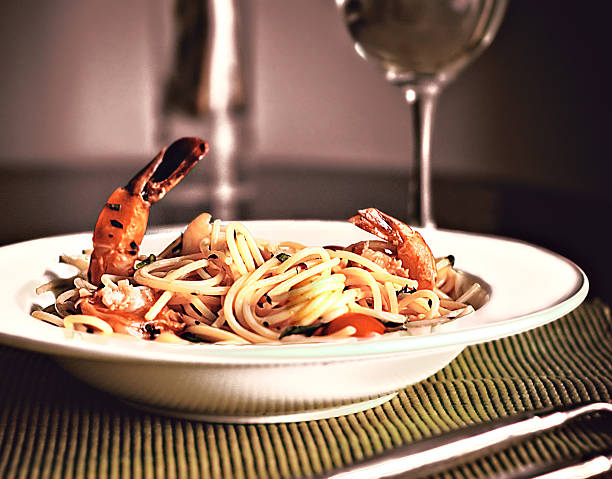
Sauvignon Blanc: crisp acidity
Sauvignon Blanc’s bright acidity cuts through the buttery garlic sauce of shrimp scampi, keeping the palate fresh. Choose a New Zealand or Loire Valley style for lively citrus and green‑herb notes that echo the dish’s lemon zest. Serve chilled at 45‑50°F to enhance crispness.
Pair with a glass that shows aromas of grapefruit, lime, and freshly cut grass, which will balance the richness without overwhelming the delicate shrimp. A modestly oaked version adds a subtle texture that mirrors the buttery sauce while preserving the wine’s lively finish.
This combination makes each bite feel lighter and more vibrant. Enjoy it alongside a light drizzle of extra‑virgin olive oil and a sprinkle of parsley for added harmony.
Pinot Grigio: light and clean
Pinot Grigio offers a clean, mineral backbone that lets shrimp scampi’s garlic and lemon shine without competition. Select an Italian Alto Adige or a dry Austrian version for subtle stone fruit and crisp minerality. Serve at 48‑52°F to maintain its refreshing character.
Highlight the wine’s notes of green apple, pear, and a hint of almond, which complement the sweet shrimp while cutting through the buttery sauce. Its light body ensures the dish remains the star, and the subtle acidity keeps the palate from feeling heavy.
Pairing with a simple herb garnish and a splash of white wine in the pan creates a seamless flavor loop.
Chardonnay: buttery richness
Chardonnay’s buttery richness can mirror the silky texture of shrimp scampi, especially when the sauce leans toward cream. Opt for an unoaked or lightly oaked Burgundy‑style to keep the fruit forward while adding a touch of vanilla and toasted oak.
Serve slightly cooler than red wine, around 50‑54°F, to preserve freshness. Emphasize flavors of ripe peach, tropical pineapple, and subtle buttery notes, which enhance the garlic‑butter base without overwhelming the shrimp’s sweetness. A modest acidity balances the richness, making each mouthful feel luxurious yet clean.
Finish with a garnish of fresh basil or tarragon to echo the wine’s herbaceous undertones.
Verdicchio: Italian alternative
Verdicchio, an Italian white from the Marche region, provides a crisp, slightly nutty profile that pairs beautifully with shrimp scampi’s garlic‑lemon sauce. Choose a Verdicchio dei Castelli di Jesi Classico for bright acidity, subtle almond notes, and a mineral finish. Serve chilled at 45‑50°F to showcase its lively character.
Highlight the wine’s aromas of green citrus, white peach, and a faint saline edge, which echo the sea‑salted shrimp while cutting through the buttery richness. Its moderate body supports the dish without dominating, and the gentle oxidative notes add depth to the overall experience.
Pair with a light sprinkle of grated Pecorino for an Italian‑styled harmony.
Best rosé and sparkling choices
Dry rosé: fruit and freshness
Pair a dry rosé with shrimp scampi to balance the garlic‑butter sauce while highlighting the dish’s bright lemon notes. Choose a rosé made from Grenache, Syrah, or Cinsault that offers crisp acidity and light red fruit aromas of strawberry and watermelon.
Serve the wine chilled at 50‑55°F so the acidity cuts through the richness without overwhelming the delicate shrimp. When selecting a bottle, look for a palate that is dry, not sweet, with a clean finish that mirrors the citrus zest in the scampi.
Pour a modest glass—about 4‑5 ounces—to keep the pairing elegant and prevent the wine from becoming over‑diluted as the meal progresses. This combination lets the wine’s freshness lift the buttery sauce, while the subtle fruit notes complement the shrimp’s natural sweetness.
Enjoy the synergy by tasting a sip before each bite, allowing the palate to reset and the flavors to dance together.
Prosecco: bright bubbles
Prosecco’s lively carbonation makes it a natural partner for shrimp scampi, cutting through the buttery sauce and enhancing the dish’s citrus sparkle. Opt for a Brut or Extra Dry style from the Veneto region, which delivers crisp green apple and white peach notes while keeping the sweetness in check.
Chill the bottle to 45‑50°F and serve in a flute so the bubbles rise steadily, delivering a refreshing lift with each sip. When pouring, fill the glass only one‑third full to preserve the fizz and allow room for aroma.
The fine bubbles act like a palate cleanser, lifting the richness of the garlic and butter while echoing the lemon zest. Pairing Prosecco with the shrimp’s slight brininess creates a harmonious balance, making each bite feel lighter and more vibrant.
Finish the meal by savoring the lingering effervescence, which leaves a clean, bright aftertaste.
Champagne: luxury pairing
Choosing Champagne for shrimp scampi elevates the dinner to a celebratory experience, with the wine’s fine mousse and bright acidity perfectly matching the dish’s buttery garlic base.
Select a Non‑Vintage Brut or a Blanc de Blancs for its crisp citrus profile and subtle toast notes that complement the lemon zest without adding sweetness. Serve the Champagne at 45‑48°F in a tulip glass to concentrate the aromatics and showcase the persistent bubbles.
Pour a modest 4‑ounce serving, allowing the wine’s high acidity to cut through the richness while the delicate mousse lifts the shrimp’s natural sweetness. The interplay of minerality and fruit creates a refined contrast, making each forkful feel silkier and more nuanced.
Conclude the meal by lingering over the lingering finish, which leaves a clean, lingering sparkle on the palate, reinforcing the luxurious feel of the pairing.
Red wine considerations (if you prefer red)
Light‑bodied reds that work
When you reach for a red with shrimp scampi, choose a light‑bodied style that won’t overwhelm the delicate garlic‑butter sauce. Opt for wines with bright acidity and low tannin, such as a Beaujolais Nouveau, a young Gamay, or a chilled Italian Dolcetto.
These options keep the palate refreshed, allowing the sweetness of the shrimp and the lemon zest to shine. Serve the wine slightly chilled, around 55°F (13°C), to enhance its fruit forward character.
Pairing tip: sip a small amount before each bite to gauge balance; if the wine feels too sharp, add a splash of sparkling water. The goal is a harmonious duet where the wine lifts the sauce without masking the seafood’s natural briny notes.
You can also experiment with a lightly oaked Pinotage, but keep the oak influence minimal to preserve freshness. Remember to match the portion size; a single glass works best for a standard serving of scampi.
Pinot Noir: subtle tannins
Pinot Noir is a classic red that can complement shrimp scampi when selected carefully. Its soft tannins and bright red fruit provide enough structure to stand up to the buttery sauce without dominating the delicate seafood.
Look for a cooler‑climate Pinot, such as one from Oregon’s Willamette Valley, Burgundy’s Côte d’Auxerre, or a New Zealand Central Otago. These wines often exhibit cherry, raspberry, and subtle earthy notes that echo the garlic and herbs in the dish.
Serve the Pinot at 58‑60°F (14‑15°C) to keep its aromatic profile lively. Serving suggestion: decant for ten minutes to open up the fruit, then swirl and sip between bites.
If the wine feels too earthy, brighten it with a squeeze of fresh lemon or a pinch of sea salt on the shrimp, creating a balanced interplay between the wine’s acidity and the sauce’s richness.
Avoid heavy reds
Heavy, oak‑driven reds such as Cabernet Sauvignon, Syrah, or Malbec should be avoided with shrimp scampi because their robust tannins and strong smoky flavors clash with the dish’s light, citrus‑forward profile. The intensity of these wines can mask the subtle sweetness of the shrimp and drown the bright lemon‑butter sauce.
If you only have a full‑bodied red on hand, consider diluting it slightly with a splash of chilled sparkling water or mixing it into a short red spritzer to reduce concentration.
Another option is to serve the wine at a cooler temperature, around 50‑52°F (10‑11°C), which can soften the perception of tannins, though the pairing will still be suboptimal. Bottom line: stick to light‑bodied reds or switch to a white or rosé for the most harmonious experience.
You might also pair a crisp Sauvignon Blanc or a dry Riesling as alternatives, ensuring the seafood remains the star of the plate.
Tips for serving the wine with shrimp scampi
Ideal serving temperature
Chill the wine just enough to highlight its bright acidity without dulling fruit. For a crisp Sauvignon Blanc or Pinot Grigio, aim for 45‑50°F (7‑10°C); this cool range keeps the citrus notes sharp and balances the buttery garlic sauce.
If you prefer a lightly oaked Chardonnay, let it sit slightly warmer at 50‑55°F (10‑13°C) so the buttery texture and subtle oak can mingle with the shrimp’s richness.
Before serving, place the bottle in an ice bucket for ten minutes, then test the temperature by touching the glass—if it feels cool but not icy, you’re ready.
Avoid over‑chilling, which masks flavor, and don’t serve at room temperature, which can make the wine taste flabby against the dish’s bright lemon and parsley.
A quick tip is to keep a wine thermometer handy so you can adjust the chill precisely for each bottle, ensuring the perfect match for the scampi’s garlicky, lemony profile.
Glassware that enhances aroma
Choose a glass that directs the wine’s aromatic compounds toward your nose while allowing the shrimp’s fragrant herbs to mingle. A U‑shaped white‑wine glass with a slightly tapered rim concentrates the citrus and mineral notes of Sauvignon Blanc, making the lemon zest in the scampi pop.
For a richer Chardonnay, a broader bowl with a gentle flare lets the buttery aromas breathe and integrates the garlic butter sauce. Hold the glass by the stem to keep your hand from warming the wine, and give it a gentle swirl to release volatile scents.
Avoid overly narrow flutes, which trap aromas, and skip heavy crystal that can mute subtle flavors. When you bring the glass to your lips, inhale deeply; the enhanced aroma will guide your palate, creating a harmonious balance between the wine’s acidity and the dish’s buttery, garlicky richness.
Decanting vs. straight pour
For most white wines that pair with shrimp scampi, a straight pour is sufficient, but a brief decant can unlock extra freshness in certain styles.
If you’re serving a young, high‑acid Sauvignon Blanc, simply open the bottle and let it breathe for five minutes; this softens any tightness and lets the citrus and herbaceous notes shine alongside the garlic‑butter sauce.
A lightly oaked Chardonnay benefits from a short, 10‑minute decant to release subtle vanilla and buttery aromas without overwhelming the dish. Avoid long decants—over‑exposure can cause the wine to lose its crisp edge, making it taste flat against the bright lemon in the scampi.
Use a clear, wide‑mouth decanter so you can watch the wine’s color and monitor its development. If you’re short on time, a quick swirl in the glass achieves a similar effect, ensuring the wine’s acidity and fruit remain vibrant to cut through the richness of the shrimp.
Frequently asked questions about wine and shrimp scampi
Can I pair rosé with garlic butter?
Yes, a dry rosé works surprisingly well with the buttery garlic sauce of shrimp scampi. The wine’s bright acidity cuts through the richness, while its subtle fruit notes complement the shrimp’s sweetness. Choose a rosé with crisp citrus and a light mineral backbone rather than a sweet, jammy style.
Serve it slightly chilled, around 50‑55°F, to keep the flavors lively. If you prefer a red‑based rosé, look for one made from Grenache or Sangiovese, which offers enough structure without overwhelming the dish. Avoid heavy oak or overly tannic wines, as they will clash with the delicate garlic butter.
Pairing this way enhances both the seafood and the wine, creating a balanced dining experience that highlights the garlic’s aroma and the shrimp’s texture. You can also garnish the plate with a lemon wedge, which mirrors the rosé’s citrus edge and adds a refreshing finish.
What if I use a different protein?
Swapping shrimp for another protein changes the wine needs, but the garlic‑butter base stays constant. If you use chicken, a crisp Sauvignon Blanc offers bright acidity that lifts the buttery sauce and matches the poultry’s mild flavor.
For scallops, a lightly oaked Chardonnay provides enough body to stand up to the sweet sea taste while still complementing the garlic. When opting for a richer meat like pork tenderloin, consider a medium‑bodied Pinot Noir; its soft tannins and red fruit notes balance the sauce without overwhelming it.
Avoid overly sweet wines that can make the dish taste cloying. Regardless of protein, keep the wine chilled just enough to preserve its freshness, typically 45‑55°F, and serve in a proper glass to allow aromatic expression. This flexible approach ensures every variation of the dish enjoys a harmonious wine partner.
Taste as you go and adjust seasoning to keep the balance perfect.
How to store leftover wine
Storing leftover wine after a scampi dinner requires a few simple steps to preserve its character for future pairings. First, reseal the bottle with a vacuum stopper or a tight cork to limit oxygen exposure, which can dull flavors.
If the original bottle lacks a stopper, transfer the wine to a smaller glass container; less air space means slower oxidation. Keep the wine in the refrigerator, even reds, at around 50°F; the cool environment slows chemical reactions. For sparkling wines, a specialized champagne stopper is essential to retain carbonation.
Before re‑using the wine, give it a quick sniff and a small taste; discard any wine that smells vinegary or flat. Properly stored wine can last 3‑5 days and still complement another seafood dish or be used in cooking sauces, ensuring nothing goes to waste.
Label the bottle with the date opened so you can track its freshness over time.
Frequently Asked Questions
What type of wine pairs best with shrimp scampi?
A crisp, acidic white wine such as Sauvignon Blanc or Pinot Grigio complements the buttery, garlicky sauce and balances the richness of the shrimp.
Can I serve a rosé with shrimp scampi?
Yes, a dry rosé works well; its bright acidity and subtle fruit notes enhance the flavors without overpowering the dish.
Is Chardonnay a good match for shrimp scampi?
A lightly oaked or unoaked Chardonnay can be a good match, offering a buttery texture that mirrors the sauce while its acidity cuts through the richness.
Should I avoid heavy red wines with shrimp scampi?
Generally, heavy reds like Cabernet Sauvignon clash with the delicate flavors of shrimp scampi; their tannins and bold fruit can overwhelm the dish.
What about sparkling wine or Champagne?
Sparkling wines, especially Brut Champagne or Prosecco, provide refreshing acidity and effervescence that cleanse the palate between bites of the buttery sauce.
How can I choose between a white or a rosé for shrimp scampi?
Consider the sauce’s richness: for a lighter, lemony scampi, a crisp white is ideal; for a richer, buttery version, a dry rosé adds fruitiness without adding weight.
Conclusion
Pairing shrimp scampi with wine is all about balancing its buttery, garlicky richness and bright lemon notes. A crisp, mineral-driven Sauvignon Blanc or a lightly oaked Chardonnay highlights the citrus while a dry Riesling offers a touch of acidity without overwhelming the dish. For those who prefer reds, a low‑tannin Pinot Noir works surprisingly well. Experiment with these suggestions and enjoy discovering your perfect match.