What Wine Goes With Brie
Finding the perfect wine to pair with creamy brie doesn’t have to be a mystery. In the next few lines, I’ll guide you through the top choices—whether you prefer a crisp white, a light red, or a sparkling option—so you can impress your guests and enjoy every bite. Expect quick, tasty recommendations that match brie’s buttery texture and subtle flavors, making your next cheese board effortless and delicious. Grab a glass, and let the flavors dance.
How to Pair Wine with Brie Cheese
Assess the Brie’s Age and Texture
Start by noting whether the brie is young and creamy or mature with a firmer rind. Young brie has a mild, buttery flavor that pairs best with light, aromatic whites such as Sauvignon Blanc or a crisp Pinot Grigio.
Choose a wine with subtle fruit and low tannin to let the cheese shine without overwhelming its delicate notes. If the brie is aged, its deeper earthiness and slightly nutty profile can handle richer wines like Chardonnay with gentle oak, or even a light red such as Pinot Noir.
Match the wine’s body to the cheese’s texture: a creamier cheese calls for a smoother mouthfeel, while a firmer brie tolerates a bit more structure. Taste both together before serving to confirm the balance, and adjust the selection if the wine feels too sharp or the cheese too bland.
Consider the Meal Context
When planning a cheese board or a full meal, think about the other flavors that will appear alongside brie.
A fruit‑forward salad with apples, pears, or figs introduces natural sweetness that can be echoed by a slightly off‑dry Riesling or a Gewürztraminer, both of which offer a touch of residual sugar to complement the cheese’s richness.
If the brie is served with toasted baguette, honey, or a drizzle of balsamic reduction, a sparkling wine such as Brut Champagne or a dry Prosecco provides bright acidity and fine bubbles that cut through the fat and refresh the palate.
For heartier dishes like roasted chicken, mushroom risotto, or caramelized onions, opt for a medium‑bodied red like a Gamay or a light‑styled Merlot, which bring gentle tannins and fruit depth without overpowering the subtle brie.
Always align the wine’s flavor profile with the overall menu to create a harmonious dining experience.
Balance Acidity and Fat
The key to pairing wine with brie lies in matching the wine’s acidity to the cheese’s creamy fat.
High‑acid wines such as a chilled Albariño, a crisp Chablis, or a zesty Sauvignon Blanc act like a natural palate cleanser, slicing through the buttery mouthfeel and highlighting the brie’s subtle mushroom notes.
Conversely, low‑acid, buttery wines like an oaked Chardonnay can mirror the cheese’s richness, but they must be chosen carefully to avoid a cloying finish; look for balanced oak and a hint of minerality to keep the pairing lively.
If you prefer red, select a fruit‑forward, low‑tannin option such as a Beaujolais Nouveau, which offers enough acidity to cut the fat while delivering bright berry flavors.
Serve the wine slightly chilled (around 10‑12 °C for whites, 14‑16 °C for light reds) to ensure the temperature enhances acidity and prevents the wine from feeling overly heavy against the brie’s silkiness.
What Types of White Wine Complement Brie
Chardonnay: Creamy Match
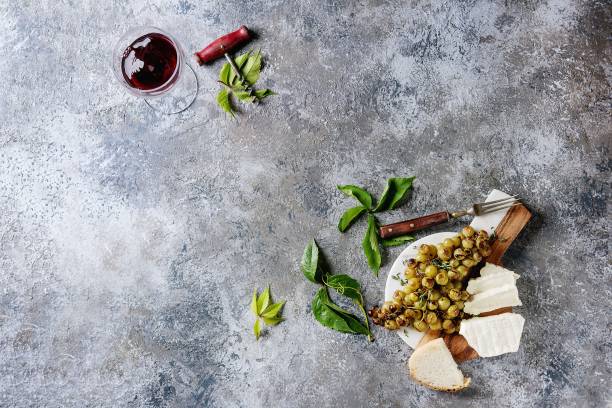
Choose a buttery Chardonnay with moderate oak to echo Brie’s rich, creamy texture. Look for a wine with a round mouthfeel and notes of ripe apple, pear, and a hint of vanilla, which will mirror the cheese’s subtle earthiness.
Serve the wine slightly chilled, around 50‑55°F, to keep its acidity lively without dulling the flavor. When pairing, place a slice of Brie on a warm cracker and sip the Chardonnay between bites; the wine’s acidity will cut through the fat while its fruitiness enhances the buttery rind.
Avoid overly oaky or heavily buttery styles, as they can overwhelm the delicate cheese. For a balanced experience, select a New World Chardonnay from California’s Sonoma Coast or an Old World version from Burgundy’s Mâconnais, both offering the right blend of creaminess and freshness.
Enjoy the harmonious pairing at a relaxed gathering.
Sauvignon Blanc: Bright Contrast
Pair Brie with a crisp Sauvignon Blanc to create a bright contrast that lifts the cheese’s buttery profile.
Select a wine with vibrant acidity and citrus-driven aromas such as lime, grapefruit, and a touch of green herb, which will cut through the richness and highlight the subtle mushroom notes in the rind. Serve the wine chilled at 45‑50°F for maximum freshness.
When arranging a cheese board, add a few fresh herbs like thyme or basil beside the Brie and drizzle a light drizzle of honey; the herbaceous edge of the Sauvignon Blanc will echo the herbs while its acidity balances the sweetness.
Steer clear of overly tropical or heavily oaked versions, as they can mask the delicate flavors. Ideal choices include a Sancerre from the Loire Valley or a New Zealand Sauvignon Blanc from Marlborough, both delivering zesty clarity and minerality.
Riesling: Sweet Harmony
Riesling offers a sweet harmony that pairs beautifully with Brie, especially when the cheese is served at room temperature.
Choose an off‑dry Riesling with balanced acidity and notes of peach, apricot, and a hint of honey; the gentle sweetness will complement the buttery rind while the acidity keeps the palate refreshed. Serve the wine slightly chilled, around 48‑52°F, to preserve its aromatic intensity.
On a platter, arrange Brie wedges with thin slices of apple or pear and a sprinkle of toasted walnuts; the fruit and nutty elements echo the Riesling’s stone‑fruit flavors and enhance its lingering finish.
Avoid bone‑dry or overly sugary styles, as they either clash with the cheese’s richness or become cloying. Excellent options include a German Kabinett from the Mosel region or an Alsace Riesling, both delivering elegant sweetness and crisp structure.
Best Red Wines to Serve with Brie
Pinot Noir: Light Body
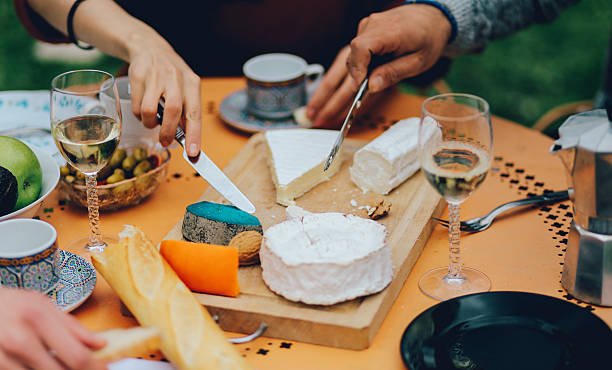
When pairing Brie with red wine, Pinot Noir is a top choice because its light body and subtle acidity complement the cheese’s buttery texture without overwhelming it.
Choose a fruit‑forward Pinot from a cooler climate such as Oregon’s Willamette Valley or Burgundy’s Côte d’Or; these wines offer bright cherry and raspberry notes that echo the mild mushroomy flavor of Brie. Serve the wine slightly chilled—around 55°F (13°C)—to enhance its freshness and keep the palate lively.
A modest tannin level ensures the wine slides smoothly over the creamy rind, while the soft spice hints add a pleasant contrast to the cheese’s milky richness.
Pairing with a crusty baguette or a handful of toasted almonds creates a balanced bite, letting the wine’s elegance shine alongside the soft, melt‑in‑your‑mouth Brie.
For added depth, select a Pinot that has spent a short time aging in neutral oak barrels; this imparts a whisper of vanilla and toasted spice that mirrors the subtle earthy undertones of Brie.
Complement the pairing with a thin smear of fig jam or a drizzle of honey to highlight the wine’s fruit nuances while providing a sweet counterpoint to the cheese’s richness.
Gamay (Beaujolais): Fruit Forward
Gamay, the grape behind Beaujolais, delivers a vibrant, fruit‑forward profile that pairs beautifully with Brie’s creamy character. Opt for a Beaujolais Villages or a Cru Beaujolais such as Morgon, which offers juicy red‑berry flavors, a hint of pepper, and a lively acidity that cuts through the cheese’s fat.
Serve the wine slightly cooler than room temperature, around 50‑55°F (10‑13°C), to preserve its fresh fruit aroma and keep the palate bright. The low tannin structure ensures the wine glides over the soft rind without bitterness, while the subtle spice notes echo the subtle earthy nuances of Brie.
Enhance the experience by adding a small side of roasted red peppers or a spoonful of cranberry compote; the sweet‑tart contrast amplifies the wine’s berry intensity and highlights the cheese’s buttery smoothness. This combination creates a harmonious bite that celebrates both the wine’s youthful exuberance and Brie’s delicate richness.
A light drizzle of extra‑virgin olive oil on the cheese can further accentuate the fruit flavors, making each mouthful more cohesive and satisfying.
Grenache: Soft Tannins
Grenache offers soft tannins and a plush mouthfeel that harmonize with Brie’s buttery melt. Select a Grenache‑dominant blend from the Southern Rhône or a Spanish Garnacha with ripe plum, strawberry, and a whisper of white pepper, providing just enough spice to complement the cheese’s earthy undertones.
Serve the wine at 58‑60°F (14‑15°C) to allow its fruit aromas to open while retaining a silky texture that mirrors the cheese’s smoothness.
The moderate acidity balances the richness of Brie, preventing the palate from feeling heavy, and the gentle tannic backbone supports the creamy rind without imposing a harsh edge.
Pair this duo with a handful of dried figs or a smear of apricot preserves; the natural sweetness amplifies Grenache’s red‑fruit character and creates a delightful contrast to the cheese’s subtle saltiness. This pairing delivers a rounded, satisfying experience that showcases the wine’s elegance alongside the timeless appeal of Brie.
A few slices of toasted rosemary‑infused baguette can add an aromatic layer that ties the wine’s spice to the cheese’s creamy profile.
Tips for Matching Sparkling Wines and Brie
Champagne: Classic Pairing
When you serve Brie, reach for a dry Champagne to highlight its buttery texture and subtle earthiness. Choose a Brut style with crisp acidity; the bubbles cleanse the palate, letting the cheese’s creamy notes shine.
Pair a non‑vintage Champagne for consistent quality and value, or opt for a vintage if you want deeper toasty nuances. Serve the wine chilled at 45‑48°F and let the cheese sit at room temperature for 30 minutes before plating.
Avoid overly sweet Champagnes, as they can overwhelm the delicate flavor of Brie. A classic accompaniment such as a handful of toasted almonds or a drizzle of honey enhances the contrast between the effervescence and the cheese’s richness.
This combination works beautifully for a sophisticated appetizer or a celebratory cheese board. Serve the pairing with a crisp green apple slice to add a refreshing bite that balances the richness.
Prosecco: Light and Fruity
Prosecco’s light, fruity profile makes it an excellent companion for Brie, especially when you want a more casual vibe. Select a dry (Extra Dry or Brut) Prosecco to keep the acidity bright without masking the cheese’s buttery notes.
The subtle aromas of pear, white peach, and citrus lift the mild earthiness of Brie, while the gentle fizz refreshes the palate between bites. Chill the wine to 45°F and allow the cheese to come to room temperature for optimal flavor release.
Pair the duo with a fig jam or a drizzle of apricot preserves; the sweet‑tart contrast accentuates the fruitiness of the wine. Avoid overly sweet Prosecco styles, as they can make the cheese taste bland.
This pairing shines on a summer picnic or a relaxed brunch, offering a lively, approachable experience that encourages sharing.
Cava: Budget-Friendly Option
Cava offers a wallet‑friendly sparkle that still delivers the crisp acidity needed to cut through Brie’s rich creaminess. Choose a Brut Cava for its clean, citrus‑driven palate; the subtle minerality mirrors the cheese’s subtle mushroom undertones.
Serve the wine chilled at 46°F and let the Brie sit out for 20‑30 minutes so its flavors open up. Complement the pairing with a handful of roasted walnuts or a smear of honey‑mustard; the salty‑sweet balance heightens both the wine’s bright zest and the cheese’s buttery texture.
Steer clear of semi‑sweet Cavas, which can drown the delicate profile of Brie. This combination works well for casual gatherings, movie nights, or as an everyday indulgence that feels upscale without breaking the bank.
Serve the platter with thin slices of crusty baguette and a few olives to introduce a briny note that complements the wine’s effervescence.
Seasonal Pairings: Wine Choices for Different Brie Flavors
Spring: Herb-Infused Brie with Sauvignon Blanc
Pair herb‑infused brie with a crisp Sauvignon Blanc to highlight fresh garden flavors. Choose a wine with bright acidity and citrus notes; this cuts through the creamy texture while echoing the herbs.
Serve the brie at room temperature and drizzle a light drizzle of olive oil, then arrange rosemary, thyme, or basil on top. Chill the Sauvignon Blanc to 45‑50°F and pour into a narrow‑rimmed glass to concentrate aromatics.
For a complete spring board, add sliced cucumber, green apple, and toasted baguette slices. Taste the wine first, then bite the brie; the wine’s green apple and grapefruit notes should lift the herbaceous cheese.
If the pairing feels too sharp, a touch of honey or a few toasted almonds can soften the contrast. This combination works beautifully for picnics, brunches, or garden parties today.
Fall: Aged Brie with Pinot Noir
Match the nutty depth of aged brie with a medium‑body Pinot Noir for a cozy autumn pairing. Select a Pinot with soft tannins and red‑fruit aromas like cherry and raspberry; these complement the cheese’s earthy, caramel notes.
Let the brie sit out for 30 minutes to reach its peak flavor, then place it on a wooden board with toasted walnuts, dried figs, and a drizzle of fig jam.
Serve the Pinot slightly cooler than room temperature, around 55‑60°F, in a large‑bowl glass to allow the bouquet to open. Take a sip, then a bite; the wine’s subtle spice and silky finish should echo the brie’s buttery texture while cutting through its richness.
If the wine feels too light, add a few slices of smoked ham or a dash of cracked black pepper on the cheese. This duo shines at harvest dinners, wine‑pairing parties, or a relaxed evening by the fire.
Winter: Truffle Brie with Chardonnay
Pair luxurious truffle‑infused brie with an oaked Chardonnay to create a winter indulgence that balances richness and acidity. Pick a Chardonnay with buttery mouthfeel and subtle vanilla oak, which mirrors the earthy truffle aroma while providing enough acidity to cleanse the palate.
Allow the brie to warm for 20 minutes, then spread a thin layer on a warm crostini topped with a sprinkle of fresh chives. Serve the Chardonnay chilled to 50‑54°F in a wide‑rim glass to showcase its creamy texture.
Sip the wine first; note the citrus, toasted almond, and buttery notes, then enjoy the brie—its creamy core and truffle perfume will be lifted by the wine’s bright acidity. For extra depth, add a few shards of toasted hazelnuts or a drizzle of white truffle oil.
This pairing is perfect for holiday gatherings, cozy fireside meals, or an elegant cheese course.
Common Mistakes When Pairing Wine and Brie
Overpowering Tannins
When you pair brie with a red wine that has strong tannins, the cheese’s creamy texture can feel muted and the wine may taste harsh. Choose low‑tannin reds such as Pinot Noir, Gamay, or a young Beaujolais instead of Cabernet Sauvignon or Syrah.
Serve the wine slightly chilled (12‑14 °C) to soften the tannic edge and let the fruit shine. Match the intensity by selecting a wine whose body mirrors the buttery richness of brie; a medium‑light style works best.
If you prefer a white, skip the high‑acid, high‑tannin options and opt for a gentle Chardonnay or an unoaked Sauvignon Blanc. Finally, taste before serving: sip a small amount with a bite of brie; if the wine feels astringent, replace it with a softer alternative.
This approach ensures the wine enhances rather than overwhelms the cheese.
Too Sweet or Too Dry
Balancing sweetness and acidity is crucial; a wine that is overly sweet can mask brie’s subtle earthy notes, while an excessively dry wine may highlight the cheese’s saltiness.
Aim for a semi‑dry or off‑dry profile such as a Riesling with moderate residual sugar, a Chenin Blanc, or a lightly sparkling Prosecco. These choices provide enough fruit to complement the buttery flavor without overwhelming it.
If you lean toward red, pick a fruit‑forward Grenache or a soft Zinfandel that offers gentle sweetness and low acidity. Avoid high‑alcohol dessert wines like Sauternes or late‑harvest varieties, as they will dominate the palate.
Before finalizing, perform a quick taste test: pour a sip, add a small piece of brie, and note whether the wine feels cloying or crisp. Adjust by selecting a wine with balanced sugar‑acid ratio to keep the pairing harmonious.
Ignoring Temperature
Serving temperature dramatically influences how wine interacts with brie; too warm a wine can accentuate alcohol and mute subtle flavors, while too cold a wine suppresses aroma and makes the cheese feel bland.
Serve whites like Chardonnay or Sauvignon Blanc at 10‑12 °C and reds such as Pinot Noir at 13‑15 °C to preserve their fruit character and allow the cheese’s creaminess to shine. If you prefer a sparkling option, keep it chilled at 6‑8 °C to provide a refreshing contrast.
Use a wine thermometer or the back‑of‑hand method (hold the bottle for a few minutes; it should feel cool, not icy). Before the gathering, pre‑cool the wine in the refrigerator for 30‑45 minutes, then let it sit at room temperature for a few minutes before serving.
This simple temperature control ensures the wine’s structure complements rather than competes with brie’s delicate profile.
Serving Tips: Temperature and Glassware for Wine and Brie
Chill White and Sparkling Wines Properly
Chilling white and sparkling wines to the right temperature enhances their acidity and fruit expression, which cuts through the creamy richness of brie.
Aim for 45‑50°F (7‑10°C) for crisp whites such as Sauvignon Blanc, Pinot Grigio, or a lightly oaked Chardonnay, and 40‑45°F (4‑7°C) for bubbly options like Champagne, Prosecco, or Crémant.
Use an ice bucket with water and ice for quick cooling, or place the bottle in the refrigerator for at least two hours before serving. Avoid over‑chilling, as it can mute aromatics and make the wine taste flat.
When the wine is properly chilled, the bright citrus, green apple, or subtle brioche notes will balance the buttery texture of brie, creating a harmonious bite‑pairing that keeps the palate refreshed.
Serve the chilled bottle on a wooden board alongside sliced baguette and fresh fruit to complete the presentation and encourage guests to sip between bites.
Serve Red Wine Slightly Below Room Temp
Red wines with moderate tannins and bright acidity pair surprisingly well with brie when served slightly below room temperature, typically 58‑62°F (14‑17°C).
Choose lighter styles such as Pinot Noir, Gamay (Beaujolais), or a young Merlot, which offer red‑fruit flavors and subtle earthiness that complement the cheese’s buttery notes without overwhelming them.
To achieve the ideal temperature, place the bottle in a wine cooler for 15‑20 minutes or in the refrigerator for about 30 minutes before serving. Avoid serving full‑body reds like Cabernet Sauvignon or Syrah, as their high tannin and oak intensity can clash with the delicate creaminess of brie.
Once cooled, the wine’s cherry, raspberry, and light peppercorn aromas will lift the flavor profile, creating a balanced mouthfeel where the fruit brightens the cheese and the cheese softens the wine’s edge. This temperature strategy ensures a seamless transition between sip and bite.
Choose the Right Glass Shape
The shape of the glass influences how aromas are captured and delivered, which is crucial when pairing wine with brie.
For white and sparkling selections, opt for a tulip‑shaped or classic flute glass; the narrow rim concentrates citrus and mineral notes, while the slightly wider bowl allows gentle oxidation that softens acidity, enhancing the cheese’s buttery texture.
Red wines benefit from a larger, slightly tapered Bordeaux or Burgundy glass, which directs the wine toward the nose and encourages gentle swirling to release fruit and spice aromas that complement brie’s earthy undertones.
Avoid overly narrow coupe glasses, as they trap volatile compounds and mute the subtle flavors needed for a balanced pairing. Present each wine in its appropriate glass on a clean, polished surface, and encourage guests to pause, inhale, and note the scent before tasting.
This mindful approach maximizes the interaction between wine and brie, turning a simple snack into a refined sensory experience.
Frequently Asked Questions
What type of wine pairs best with Brie?
A crisp white wine such as Chardonnay or Sauvignon Blanc works well, as its acidity cuts through the cheese’s creaminess. Light reds like Pinot Noir or Gamay also complement Brie without overpowering it.
Can sparkling wine be served with Brie?
Yes, sparkling wines like Champagne, Prosecco, or Cava are excellent choices. Their bubbles and bright acidity refresh the palate and highlight the buttery notes of Brie.
What red wine should I avoid with Brie?
Heavy, tannic reds such as Cabernet Sauvignon or Syrah can clash with Brie’s delicate flavor. Their strong structure may overwhelm the cheese’s subtlety.
Do I need to consider the Brie’s age when choosing a wine?
A younger, milder Brie pairs nicely with lighter whites and rosés, while a more mature, earthy Brie can handle a slightly richer white like an oaked Chardonnay or a soft red like Pinot Noir.
Are there any specific wine regions that match well with Brie?
Wines from Burgundy (Chardonnay) and the Loire Valley (Sauvignon Blanc) are classic pairings, reflecting French terroir that complements the French cheese. New World alternatives like California Chardonnay also work well.
Can I serve a dessert wine with Brie?
A dry or off‑dry Riesling can be a pleasant match, especially if the Brie is served with fruit or honey. The wine’s subtle sweetness balances the cheese’s richness without being cloying.
Conclusion
Pairing brie with wine is all about balancing its creamy richness and subtle earthiness. Light, crisp whites like Sauvignon Blanc or Chardonnay, and delicate reds such as Pinot Noir, complement without overwhelming. Sparkling options add a refreshing contrast, while a modestly sweet Riesling can highlight the cheese’s buttery notes. Experiment with these suggestions, trust your palate, and enjoy the perfect, elegant pairing at your next gathering.