What Pairs With Rose
Finding the perfect companion for rose can feel like a puzzle, but you’re in the right place. In the next few lines we’ll explore classic food pairings, wine matches, and even décor ideas that highlight rose’s delicate flavor and aroma. Enjoy the harmony, and let your taste buds celebrate together today.
How to Pair Rose Wine with Food
Light appetizers and salads
Start your meal with crisp, fresh bites that let rosé shine. Pair a dry rosé with crisp acidity and bright fruit notes alongside mixed greens, citrus vinaigrette, or a watermelon‑feta salad. The wine’s light body complements goat cheese crostini, prosciutto‑wrapped melon, or a tomato‑basil bruschetta without overwhelming delicate flavors.
Aim for fruit‑forward pairings that echo the wine’s strawberry and peach aromas, creating a harmonious opening. Keep the temperature cool (45‑50°F) to preserve the refreshing finish, and serve the appetizers on a platter that encourages guests to mix and match, ensuring each bite is balanced by a sip of rosé.
Seafood dishes
Rosé’s bright acidity makes it a natural companion for a wide range of seafood. Serve it with grilled shrimp, seared scallops, or a chilled sushi platter, where the wine’s subtle tannins cut through the oceanic richness.
For richer fish like salmon or tuna, choose a rosé with a hint of salty balance and a medium‑dry profile to echo the buttery texture. Pair with citrus‑based sauces, herb‑infused butter, or a light seafood paella, allowing the wine’s red‑fruit flavors to lift the dish.
Keep the rosé slightly chilled and encourage diners to sip between bites, enhancing the seafood’s freshness while maintaining a lively palate.
Poultry and pork
When moving to heartier proteins, select a rosé with medium body and soft tannins to match roasted chicken, turkey, or pork tenderloin. The wine’s subtle oak and berry notes complement herb‑marinated poultry, while a touch of spice in the rosé pairs well with honey‑glazed pork.
Serve alongside roasted vegetables, apple‑cabbage slaw, or a mustard‑cream sauce; the wine’s acidity will cut through the richness, keeping the palate refreshed.
Aim for a balanced temperature (50‑55°F) to let the fruit flavors integrate with the savory dishes, and suggest a small sip after each forkful to enhance the meat’s juiciness.
Spicy cuisines
Rosé excels with refreshing finish and a hint of sweetness that tames heat in spicy dishes. Pair it with Thai curry, Mexican tacos, or Indian biryani, where the wine’s fruitiness counters chilies and aromatic spices.
Choose a rosé with a touch of residual sugar to mellow the heat without muting flavor, and serve it slightly cooler (45‑50°F) for a soothing contrast. Complement the meal with fresh herbs, lime wedges, and crunchy vegetables to highlight the wine’s bright profile.
Encourage diners to alternate bites of spice‑laden food with sips of rosé, creating a dynamic balance that keeps the palate lively and prevents overwhelming heat.
What Cheese Complements Rose

Soft cheeses
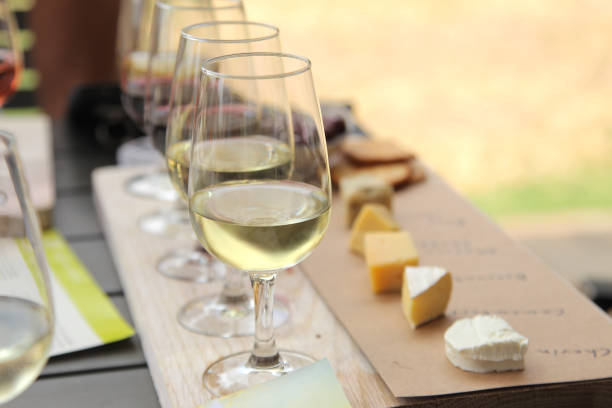
Pairing rosé with soft cheeses creates a delicate balance that highlights the wine’s fruitiness while softening its acidity. Choose creamy brie or triple‑cream camembert and let the buttery texture melt on the palate, echoing the wine’s subtle floral notes.
Serve the cheese at room temperature, sliced thinly, and accompany it with a light drizzle of honey or a few fresh berries to enhance the rosé’s strawberry and melon flavors. Add a handful of toasted almonds for a gentle crunch that contrasts the cheese’s smoothness.
When assembling a cheese board, arrange the soft cheeses beside crisp crackers or a thin slice of baguette, ensuring each bite offers a harmonious blend of cream, fruit, and acidity. This pairing works especially well with dry‑style rosés that have bright acidity and citrus undertones.
Finish the experience by sipping the rosé between bites, allowing its crisp finish to cleanse the palate and prepare for the next creamy mouthful.
Hard cheeses
Hard cheeses bring a robust, nutty character that stands up to the bright acidity of rosé, creating a satisfying contrast. Opt for aged gouda, parmigiano‑reggiano, or manchego and slice them into thin wedges to reveal their crystalline texture.
Pair these cheeses with a rosé that has a hint of stone fruit, such as peach or apricot, so the wine’s sweetness balances the cheese’s salty depth. Add a drizzle of fig jam or a few slices of crisp apple to accentuate the fruit notes and soften the cheese’s intensity.
Serve the cheese on a wooden board with sturdy crackers or toasted baguette slices, providing a firm base that complements the cheese’s firmness. This combination works particularly well with medium‑dry rosés that offer a round mouthfeel, allowing the cheese’s umami to shine without being overwhelmed.
Blue cheeses
Blue cheeses provide a bold, tangy punch that can match the lively fruit profile of rosé, especially when the wine carries a hint of berry sweetness. Select gorgonzola dolce, roquefort, or stilton and crumble them lightly over a small plate.
Pair these with a rosé that leans toward a slightly off‑dry style, allowing the wine’s subtle honeyed notes to temper the cheese’s sharp edges.
Enhance the pairing with a spoonful of honey or a few candied walnuts, which introduce a smooth sweetness that bridges the gap between the briny cheese and the wine’s crisp acidity.
Serve the blue cheese with thin slices of pear or a drizzle of balsamic reduction on toasted rye crackers for added complexity. This match shines with rosés that have a medium body and a lingering finish, as the wine’s fruitiness and the cheese’s pungency create a memorable, balanced experience.
Best Ways to Pair Rose with Desserts
Fruit-based desserts
Fruit-based desserts are a natural match for rosé, as the wine’s bright acidity and subtle red‑fruit notes amplify the sweetness without overwhelming the palate.
Serve a mixed berry crumble, peach galette, or strawberry short‑cake alongside a chilled dry rosé; the wine’s crisp finish balances the buttery crust and highlights the fresh fruit flavors.
For a lighter option, pair a citrus‑infused sorbet with a rosé that leans toward a pink grapefruit aroma, letting the citrus zing echo the wine’s lively acidity. Key point: choose desserts that are not overly sugary, and aim for fruit that mirrors the wine’s own berry profile.
This synergy creates a refreshing contrast, making each bite feel brighter while the rosé cleanses the palate for the next spoonful. Serve the dessert slightly chilled to keep the fruit’s texture firm, and sip the rosé between bites to maintain a lively, balanced experience.
Chocolate pairings
Chocolate pairings with rosé can be surprisingly harmonious when the wine’s acidity cuts through the richness of cocoa. Opt for a dark chocolate mousse or a raspberry‑infused chocolate truffle; the wine’s bright red‑berry notes echo the fruit filling while its crisp finish tempers the bitterness of the chocolate.
A semi‑sweet milk chocolate tart topped with a drizzle of rose‑petal jam also works, as the subtle floral aroma of the rosé lifts the dessert’s sweetness without cloying. Key point: choose chocolates with 60‑70% cacao for depth, and incorporate berries or citrus to mirror the wine’s fruit profile.
This balance creates a layered tasting experience where each sip refreshes the palate, allowing the next chocolate bite to feel just as indulgent. Serve the chocolate slightly warm to enhance its aroma, and enjoy a small glass of rosé between bites to keep the flavors bright and lively.
Cheesecake and tarts
Cheesecake and tarts provide a creamy canvas that pairs beautifully with rosé’s acidity and subtle fruit character. A classic strawberry cheesecake, where the fresh puree mirrors the wine’s berry notes, allows the rosé to cut through the richness and refresh the palate.
For a more nuanced match, try a lemon curd tart topped with a raspberry glaze; the tart’s citrus tang complements the wine’s crisp minerality, while the raspberry echo reinforces the shared fruit profile.
Key point: select desserts with a light to medium sweetness and incorporate a hint of fruit or citrus to align with the rosé’s flavor spectrum.
Serving the cheesecake slightly chilled and the tart at room temperature ensures texture contrast, and sipping rosé between bites maintains a balanced, elegant finish to the meal. Pair each serving with a glass of rosé at 10 °C to highlight the dessert’s silkiness while preserving the wine’s refreshing acidity.
Tips for Mixing Rose in Cocktails
Classic rose spritz
Start with a crisp base of sparkling wine or prosecco, then add a splash of rose liqueur or rose‑infused simple syrup. Use fresh citrus—a squeeze of pink grapefruit or lemon— to brighten the drink and balance the floral sweetness. Add a dash of orange bitters for depth, then stir gently.
Top with club soda for a light fizz and garnish with a sprig of edible rose petals or a thin slice of cucumber for visual appeal. Serve over large ice cubes to keep the cocktail chilled without diluting too quickly.
This classic rose spritz pairs beautifully with light appetizers such as goat cheese crostini, smoked salmon canapés, or fresh fruit salads, making it an ideal choice for brunches, garden parties, or sunset gatherings.
Pair it with a crisp white wine cheese board or a handful of toasted almonds to enhance the floral notes.
Rose-infused sangria
Create a vibrant rose‑infused sangria by combining a bottle of dry rosé wine with a homemade rose‑simple syrup, made by simmering equal parts water and sugar with dried rose petals until fragrant.
Add a mix of fresh fruit such as sliced strawberries, blood oranges, and blackberries for bright color and juicy sweetness. Toss in a splash of brandy or elderflower liqueur to deepen the flavor profile, then stir in a handful of fresh mint leaves for a refreshing lift.
Let the mixture chill for at least two hours so the fruit releases its juices and the rose aroma melds with the wine. Serve over ice in tall glasses, garnished with a rose petal and a sprig of mint.
This sangria pairs wonderfully with grilled seafood, Mediterranean mezze platters, or spicy tacos, offering a floral counterpoint that balances heat and richness.
Summer mocktails with rose
Craft a refreshing summer mocktail by blending chilled hibiscus tea, rose water, and a splash of lime juice for a tangy‑sweet base. Incorporate natural sweetness with a drizzle of agave nectar or a spoonful of honey, adjusting to taste.
Add a handful of fresh berries—blueberries, raspberries, or sliced kiwi—for bursts of color and subtle fruit flavor. Top the mixture with sparkling mineral water for effervescence and stir gently to preserve the delicate rose aroma.
Serve in a clear glass over crushed ice, garnished with a twisted lime peel and a single edible rose petal for an elegant finish.
This alcohol‑free beverage pairs perfectly with light summer fare such as cucumber sandwiches, avocado toast, or a fresh garden salad, providing a cooling floral note that complements salty, creamy, or herb‑laden dishes. Enjoy it on a patio as the sun sets.
How to Pair Rose with Seasonal Produce
Spring vegetables
Spring brings fresh, tender vegetables that shine when paired with a crisp rosé. Serve chilled rosé with lightly steamed asparagus; the wine’s bright acidity cuts the vegetal bitterness and highlights the spears’ natural sweetness.
Combine rosé with fresh peas and mint in a spring salad, letting the herbaceous notes of the wine echo the peas’ sweetness. Roasted baby carrots glazed with honey benefit from rosé’s subtle fruit flavors, creating a balanced sweet‑savory contrast.
For a light appetizer, toss sliced radishes and feta in a vinaigrette and drizzle with rosé‑infused olive oil, allowing the wine’s citrus edge to lift the peppery bite.
These pairings keep the meal bright and refreshing, perfect for outdoor brunches or garden parties, and showcase how rosé can enhance the delicate flavors of spring’s bounty.
Try pairing a dry rosé with a simple herb‑dressed quinoa salad to extend the fresh profile and keep the palate lively throughout the meal.
Summer berries
Summer’s bounty of berries is a natural match for rosé’s fruity character. Pair chilled rosé with a strawberry and basil salad, where the wine’s red‑fruit notes echo the sweet strawberries while its acidity balances the herb’s peppery edge.
Serve rosé alongside a raspberry‑goat cheese crostini, letting the tartness of the berries cut through the creamy cheese and complement the wine’s subtle citrus.
For a dessert twist, drizzle rosé‑reduced sauce over fresh blueberries and a dollop of vanilla yogurt; the gentle warmth of the sauce amplifies the berries’ depth and mirrors the wine’s own floral aromas.
A simple snack of mixed berry skewers glazed with honey and a splash of rosé offers a harmonious sweet‑and‑tangy profile perfect for picnics.
These pairings keep the palate bright, enhance the natural sweetness of summer fruit, and showcase how rosé can elevate both savory and sweet berry dishes throughout the warm months.
Autumn root vegetables
Root vegetables reach their peak in autumn, and their earthy sweetness pairs beautifully with rosé’s crisp acidity.
Roast carrots, parsnips, and beets with a drizzle of olive oil and rosemary, then serve them alongside a glass of dry rosé; the wine’s bright citrus lifts the caramelized sugars and balances the herbs.
Create a warm beet and goat cheese salad dressed with a rosé‑infused vinaigrette, allowing the wine’s subtle fruit notes to echo the beet’s earthiness while cutting through the cheese’s richness.
For a comforting side, simmer turnips and sweet potatoes in a light rosé broth, finishing with fresh thyme; the broth imparts a gentle fruitiness that melds with the vegetables’ natural sweetness.
A hearty option is grilled radishes brushed with a rosé‑honey glaze, offering a crisp bite and a sweet‑tangy finish that mirrors the wine’s own balance. These strategies let rosé enhance the depth of autumn’s root crops, making each bite feel bright and satisfying as the days grow cooler.
What Snacks Pair Perfectly with Rose
Charcuterie boards
When assembling a charcuterie board for rosé, focus on light, salty, and slightly sweet items that echo the wine’s bright acidity. Include thin slices of prosciutto, smoked turkey, and mild salami, arranging them in overlapping layers for visual appeal.
Add soft cheeses like goat cheese, brie, or a young camembert, and sprinkle fresh herbs such as thyme or rosemary to enhance aroma. Pair these proteins with crisp crackers, baguette slices, and a handful of fresh fruit—think strawberries, melon, or peach wedges—that mirror the wine’s fruit notes.
Finish the board with a drizzle of honey or a fig jam to introduce a subtle sweetness that balances the rosé’s dryness. Key points: choose light cured meats, soft buttery cheeses, and fruit‑forward accompaniments; keep flavors bright and avoid heavy, overly rich selections. Serve the board immediately for best flavor.
Nuts and olives
Rosé’s crisp acidity and subtle fruitiness make it an ideal partner for a variety of nuts and olives that provide texture and savory depth. Choose toasted almonds, pistachios, or lightly salted cashews; the gentle roasting brings out a nutty aroma that mirrors the wine’s floral notes.
Complement these with a selection of olives—green Castelvetrano for buttery smoothness, Kalamata for briny richness, and black olives stuffed with garlic or almonds for added intrigue. Serve the nuts in small bowls alongside the olives, sprinkling a pinch of sea salt or smoked paprika on the nuts to enhance complexity.
Pairing these bite‑size snacks with rosé encourages sipping between bites, keeping the palate refreshed. Key points: opt for lightly roasted nuts, a mix of mild and robust olives, and seasonings that accentuate the wine’s bright character without overwhelming it.
Bruschetta and crostini
The bright, slightly sweet profile of rosé pairs beautifully with the crunchy, herb‑laden flavors of bruschetta and crostini. Start with toasted baguette slices brushed lightly with olive oil, then top them with classic tomato‑basil mixtures, roasted red peppers, or a spread of ricotta drizzled with honey.
For a more adventurous twist, add smoked salmon with capers, or a smear of pesto and shaved Parmesan. The acidity of the tomatoes and the richness of the cheese echo the wine’s fruit notes while the crisp bread provides a refreshing contrast to the liquid.
Serve the bites on a platter, allowing guests to sample a variety of toppings as they sip. Key points: use lightly toasted bread, balance tangy tomato or citrus toppings with creamy cheeses, and incorporate herbs that highlight rosé’s floral aromatics without overpowering the palate.
Best Ways to Pair Rose for Different Occasions
Brunch gatherings
Serve a chilled, dry rosé alongside your weekend brunch to enhance bright flavors and keep the mood lively. Pair the wine’s light, crisp profile with classic dishes such as avocado toast topped with poached eggs, smoked salmon bagels, and citrus‑y fruit salads.
The subtle strawberry and grapefruit notes complement creamy cheeses like goat or feta, while a splash of acidity cuts through buttery pastries. For a heartier option, match rosé with quiche Lorraine or a spinach‑feta frittata; the wine’s moderate tannins balance the richness without overwhelming the palate.
Encourage guests to sip between bites, keeping the glass at 45‑50°F for optimal freshness. Serve in flutes or stemless glasses to highlight the pink hue, and provide a small cheese board of mild brie and manchego for an easy, elegant finish.
Finish the spread with fresh berries and a light honey drizzle to echo the wine’s natural sweetness.
Romantic dinners
Choose a medium‑bodied rosé with aromatic intensity for a romantic dinner, allowing the wine to mirror the intimacy of the setting. Pair it with dishes that feature subtle sweetness and savory depth, such as seared scallops drizzled with a orange‑infused beurre blanc, or duck breast glazed with cherry‑balsamic reduction.
The wine’s silky texture and notes of rose petal and ripe peach enhance the richness of the protein while cleansing the palate between bites. Complement the main course with a side of herb‑roasted asparagus or a wild‑rice pilaf, whose earthy flavors are lifted by the rosé’s bright acidity.
Serve the bottle at 50‑55°F in elegant crystal glasses, and add a single rose petal to the rim for visual romance. End the evening with a dark chocolate tart; the wine’s subtle tannins accentuate the chocolate’s bitterness, creating a harmonious finish.
Outdoor picnics
Bring a refreshing rosé to an outdoor picnic for a carefree vibe that pairs effortlessly with casual fare. Opt for a crisp, fruit‑forward rosé that showcases flavors of watermelon, lime, and green apple, which stand up to sun‑kissed dishes.
Pair the wine with grilled chicken skewers marinated in rosemary and lemon, as the acidity balances the charred notes. Include a Mediterranean mezze platter—hummus, olives, feta, and cucumber slices—whose salty and herbaceous qualities are lifted by the rosé’s bright finish.
Fresh summer salads with quinoa, cherry tomatoes, and mint also thrive alongside the wine’s light body. Keep the bottle chilled in a cooler and serve in portable stemless glasses for easy handling.
For a sweet touch, pack a berry tart or peach cobbler; the fruit‑laden dessert mirrors the wine’s natural fruit profile, creating a harmonious, picnic‑perfect ending.
Frequently Asked Questions
What foods pair well with rosé wine?
Rosé pairs nicely with light salads, fresh seafood, grilled chicken, and soft cheeses like goat cheese. Its bright acidity complements fruit-forward dishes and mild spices.
Which cheeses complement rosé?
Soft, creamy cheeses such as brie, camembert, and goat cheese enhance rosé’s fruitiness, while a mild feta or fresh mozzarella also work well.
What desserts go well with rosé?
Fruit-based desserts like strawberry shortcake, raspberry sorbet, or a light lemon tart match rosé’s crisp finish without overwhelming it.
Can rosé be paired with spicy foods?
Yes, rosé’s subtle sweetness balances mild to medium heat, making it a good match for dishes like Thai spring rolls, mildly spiced tacos, or grilled shrimp with a hint of chili.
What appetizers are ideal with rosé?
Light appetizers such as prosciutto-wrapped melon, bruschetta with tomato and basil, or a mixed olive platter complement rosé’s refreshing character.
Is rosé suitable for brunch pairings?
Absolutely; rosé pairs well with brunch items like eggs benedict, smoked salmon bagels, and fresh fruit salads, adding a festive touch to the meal.
Which meats pair best with rosé?
Rosé works well with poultry like roasted turkey or chicken, as well as pork tenderloin and lightly seasoned lamb, especially when served with herbaceous sauces.
Conclusion
Choosing the right companion for rose‑based dishes or drinks hinges on balance, contrast, and harmony. Fresh herbs like mint or basil brighten the floral notes, while citrus and berries add bright acidity that cuts sweetness. Rich cheeses, nuts, or dark chocolate deepen the palate, and subtle spices such as cardamom or ginger introduce intrigue. Experiment with these pairings to discover personal favorites, and let your creativity keep the rose experience ever‑evolving.