What Is Verdi Spumante
If you’ve stumbled upon Verdi Spumante and wonder what it is, you’re in the right place. This sparkling Italian wine blends fresh fruit aromas with a lively fizz, perfect for celebrations or casual sipping. In the next few lines we’ll break down its origins, taste profile, and best food pairings, giving you a quick, clear picture so you can enjoy Verdi Spumante with confidence. Stay tuned, and you’ll be ready to toast any occasion with style.
What is Verdi Spumante?
Definition and origin
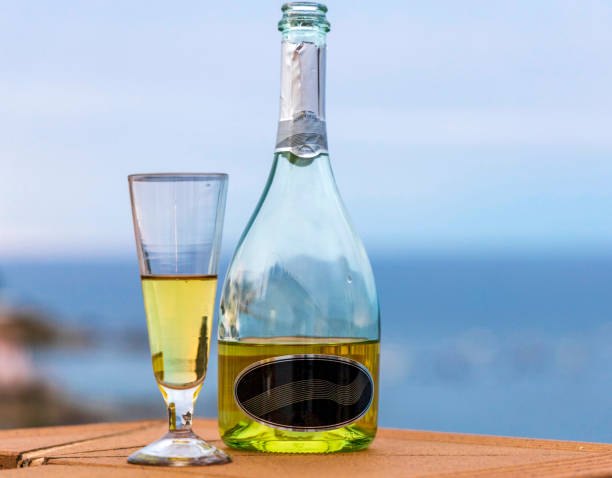
Verdi Spumante is a sparkling wine produced primarily in the Veneto region of Italy, known for its vibrant greenish hue. The name “Verdi” references the wine’s fresh, youthful character rather than a specific grape, while “Spumante” denotes the effervescent style achieved through secondary fermentation.
Typically crafted using the Charmat method, the wine retains bright acidity and a lively mousse, making it ideal for casual sipping or pairing with light dishes. Its production emphasizes fruit-forward aromatics and a clean finish, distinguishing it from more complex, barrel-aged sparklers.
Understanding these basics helps consumers appreciate why Verdi Spumante is celebrated for its approachable, festive profile.
Key grape varieties used
The backbone of Verdi Spumante lies in Glera (formerly Prosecco) grapes, prized for their delicate floral notes and crisp acidity. Winemakers often blend in small percentages of Verdiso, Bianchetta Trevigiana, and Rondinella to enhance structure and aromatic depth.
Glera contributes bright citrus and green apple flavors, while Verdiso adds subtle honeyed nuances, and Bianchetta offers a faint herbal edge. Rondinella, though used sparingly, can introduce a hint of spice.
This careful selection ensures the wine remains light‑bodied yet flavorful, delivering a balanced palate that appeals to both novice drinkers and seasoned enthusiasts.
Typical flavor profile
Verdi Spumante showcases a fresh, aromatic palate dominated by green apple, pear, and citrus zest, often accompanied by delicate white‑flower and herbaceous undertones. The bubbles are fine and persistent, delivering a crisp, clean mouthfeel that accentuates the wine’s natural acidity.
Mid‑palate notes may reveal subtle hints of honey, almond, or a faint mineral edge, especially when produced from higher altitude vineyards. The finish is typically short to medium, leaving a lingering sense of freshness and a gentle, slightly bitter aftertaste that encourages another sip.
This profile makes the wine versatile for pairing with salads, seafood, and light appetizers.
Historical background
The roots of Verdi Spumante trace back to the late 19th century when Veneto’s winemakers began experimenting with sparkling techniques to diversify their offerings. Originally a modest regional product, it gained popularity after World War II as Italian cuisine spread globally, and consumers sought affordable, lively wines.
The adoption of the Charmat method in the 1960s streamlined production, allowing larger batches while preserving freshness. Over the decades, Verdi Spumante evolved from a local specialty to an internationally recognized celebratory drink, often featured at festivals and weddings.
Its history reflects a blend of tradition and innovation, embodying Italy’s commitment to approachable, high‑quality sparkling wines.
How is Verdi Spumante Made?
Production methods used
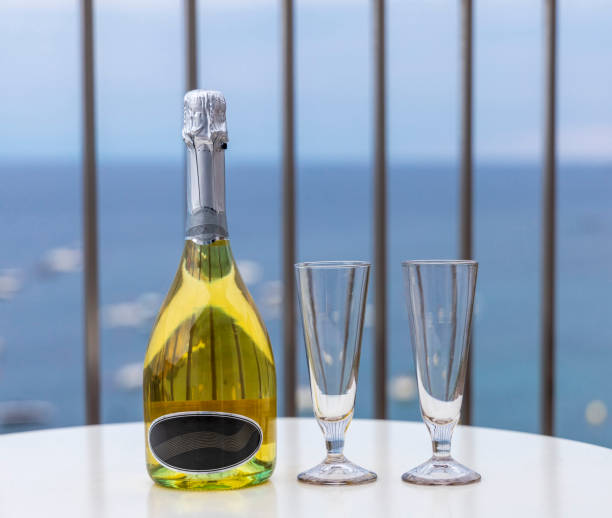
Verdi Spumante is crafted using specific sparkling‑wine techniques that give it its bright, aromatic profile. Traditional Method (Metodo Classico) is the most common, where the base wine undergoes a second fermentation inside sealed bottles.
Some producers also employ the Charmat (Tank) Method, transferring the wine to pressurized vats for rapid carbonation. Both approaches start with high‑quality, locally grown grapes, typically Verdi or similar varieties, harvested early to retain acidity. The chosen method influences bubble size, flavor integration, and overall finesse.
Understanding these production routes helps consumers appreciate why Verdi Spumante balances freshness with complexity, delivering a consistent, celebratory sparkle to any occasion.
Fermentation process explained
The heart of Verdi Spumante lies in its two‑stage fermentation. First, primary fermentation converts grape sugars into alcohol, producing a still, dry base wine with bright acidity. Winemakers carefully control temperature, typically between 12‑16 °C, to preserve delicate aromatics.
After clarification, the wine is bottled with a measured dose of sugar and selected yeast strains, initiating secondary fermentation. This in‑bottle fermentation generates carbon dioxide, which dissolves to create fine, persistent bubbles. The yeast also contributes secondary flavors such as brioche, almond, and citrus zest.
The process usually lasts 4‑6 weeks, during which the wine is stored horizontally to keep the yeast in suspension, ensuring even carbonation and a harmonious flavor profile.
Aging requirements
The aging phase is crucial for Verdi Spumante’s texture and aroma depth. After secondary fermentation, bottles rest on the lees—the dead yeast cells—for a period that typically ranges from 12 to 24 months. This sur lie aging imparts creamy mouthfeel and complex notes of toasted almond, honey, and dried fruit.
Winemakers may perform riddling (remuage) to collect sediment in the neck, followed by disgorgement to remove it. Some premium versions extend lees contact beyond 36 months, further enhancing nuance and stability. Temperature‑controlled cellars, kept around 10‑12 °C, protect the wine from oxidation while allowing slow, consistent maturation.
Proper aging ensures the final product delivers a balanced sparkle with refined, lingering flavors.
Bottling and carbonation
Final bottling transforms Verdi Spumante into a ready‑to‑drink sparkling wine. After disgorgement, winemakers add a dosage—a precise mixture of sugar, wine, and sometimes brandy—to fine‑tune sweetness, typically resulting in a Brut or Extra‑Dry style.
The bottle is then sealed with a cork and a wire cage (muselet) to withstand internal pressure, which usually reaches 5–6 atmospheres. This pressure creates the characteristic fine, persistent bubbles that define the wine’s liveliness. Labels often indicate the pressure level and dosage amount, guiding consumers on palate expectations.
Proper bottling ensures the wine remains stable, aromatic, and effervescent from cellar to celebration. The sealed bottles are stored upright for a short stabilization period, allowing the dosage to integrate fully and the cork to expand, guaranteeing a flawless pop when opened.
Best Food Pairings with Verdi Spumante

Appetizers and starters
Verdi Spumante is a crisp, lightly sweet Italian sparkling wine made from the Verdi grape, offering bright citrus notes and a fine mousse. For appetizers, pair it with fresh seafood ceviche, where the acidity cuts through the tangy lime and highlights the wine’s fruitiness.
Prosciutto-wrapped melon works beautifully, as the salty prosciutto balances the wine’s subtle sweetness while the melon mirrors its fruity aromatics. Light bruschetta topped with tomato and basil also shines, as the herbaceous flavors echo the wine’s green apple hints.
These starters set a lively tone, ensuring the palate remains refreshed for the courses to follow.
Main courses that complement
When moving to mains, let Verdi Spumante’s effervescence cleanse the palate between bites. Grilled shrimp scampi with garlic and lemon butter pairs perfectly; the wine’s acidity lifts the richness and mirrors the citrus zest.
For poultry, try roast chicken with rosemary and lemon, where the herbaceous notes of the dish enhance the wine’s subtle floral undertones. A creamy risotto with peas and mint also works, as the mint echoes the wine’s fresh green profile while the creaminess is softened by the sparkling acidity.
These pairings keep the meal lively without overwhelming the delicate character of Verdi Spumante.
Desserts and sweet dishes
Verdi Spumante’s gentle sweetness makes it a natural partner for desserts that are not overly sugary. Serve it alongside lemon tart with a buttery crust, where the tart’s bright citrus mirrors the wine’s lemony zing and the mousse softens the tart’s tartness.
Panna cotta infused with vanilla and fresh berries benefits from the wine’s fruit notes, creating a harmonious blend of flavors. A fruit salad featuring kiwi, green apple, and pineapple also shines, as the wine amplifies the fruit’s natural acidity while adding a celebratory sparkle.
These desserts end the meal on a refreshing, elegant note.
Cheese and charcuterie matches
Cheese boards with Verdi Spumante should highlight its bright, slightly sweet profile. Pair it with soft goat cheese drizzled with honey; the cheese’s tang balances the wine’s fruit, while the honey accentuates its subtle sweetness. Mild aged Gouda offers a nutty depth that complements the wine’s crisp acidity.
For charcuterie, choose prosciutto di Parma or soppressata, whose saltiness is softened by the wine’s bubbles, preventing the palate from feeling heavy. Add marinated olives and toasted almonds for texture, and the combination creates a balanced, palate‑cleansing experience that showcases Verdi Spumante’s versatility.
Tips for Choosing Quality Verdi Spumante
Reading the label correctly
When you pick up a bottle, the label is your first education on what Verdi Spumante actually is. Look for the DOC or IGT designation, which tells you the wine complies with Italian sparkling‑wine standards.
The label should list the grape varieties—often Glera, Chardonnay, or Pinot Nero—and indicate the sweetness level (e.g., Brut, Extra‑Dry). Pay attention to the alcohol by volume; most Verdi Spumante sits around 11‑12% ABV. If a vintage year is printed, it suggests a higher‑quality, possibly reserve style.
Finally, note any quality seals or awards, as they signal that the producer adheres to strict production controls, helping you avoid generic, mass‑produced alternatives.
Price versus quality considerations
Price can be a useful proxy for quality, but it isn’t the only factor. Entry‑level Verdi Spumante often starts around $10‑$15 and delivers pleasant fruit and bubbles suitable for casual gatherings. For a step up, spend $20‑$35 on bottles that showcase better balance, finer mousse, and more nuanced aromatics.
Premium selections above $40 usually come from limited‑release vineyards, longer aging on lees, or higher grape quality, offering complex flavors and a silkier palate. Compare price per litre and read reviews to ensure you’re not overpaying for brand hype.
Remember, a well‑chosen mid‑range bottle can outperform an expensive one if it aligns with your taste preferences and occasion.
Reputable producers to watch
Choosing a trusted house reduces the guesswork. Renowned producers such as Villa Michele, La Vigna Verdi, and Cantina Del Lago consistently earn high scores for their Verdi Spumante. These wineries often source grapes from premium vineyards, employ traditional tank fermentation, and age the wine on fine lees for added texture.
Look for bottles bearing the producer’s signature seal or a QR code linking to provenance details. Smaller boutique labels like Bottega Verde can also surprise with exceptional quality at modest prices, especially when they focus on single‑vintage releases.
By targeting these reputable names, you increase the likelihood of enjoying a balanced, aromatic, and well‑crafted sparkling wine.
Proper storage before purchase
Even before you open the bottle, storage impacts the final experience. Ideal conditions are a cool, dark place with a constant temperature of 45‑55 °F (7‑13 °C) and 60‑70% humidity. Avoid direct sunlight and vibrations, which can degrade the wine’s delicate bubbles and aroma.
If the store displays the bottles upright, ask to see them lying on their side; this keeps the cork moist and prevents premature oxidation. Check that the bottle is free of leakage, sediment, or a cracked seal.
When you bring the wine home, store it horizontally in a wine fridge or cellar until you’re ready to chill and serve, preserving its freshness and sparkle.
How to Serve Verdi Spumante Properly
Ideal glassware selection
Choosing the right glass enhances Verdi Spumante’s aromatic profile and visual appeal. Use a tall, narrow flute to concentrate the perfume and preserve the fine bubbles, ideal for casual sipping. For more nuanced tasting, a tulip-shaped glass offers a slightly wider bowl that releases aromas while still supporting effervescence.
Avoid wide‑mouth wine glasses, as they cause rapid CO₂ loss. Ensure the glass is crystal‑clear and free of residues; any grease will mute the sparkle. Selecting the proper vessel sets the stage for a refined drinking experience.
Handle the glass by the stem to prevent warming the bowl, and rinse it with cold water before drying to remove any lingering flavors. A pristine, chilled glass ensures each sip showcases Verdi Spumante’s crisp acidity and delicate fruit notes.
Optimal serving temperature
Verdi Spumante shines at a crisp, cool temperature that highlights its bright acidity and fine mousse. Aim for 6‑8 °C (43‑46 °F); this range balances aromatic intensity with refreshing chill.
To achieve this, place the bottle in the refrigerator for at least two hours before service, or submerge it in an ice‑water bucket for 20‑30 minutes if time is short. Avoid over‑chilling below 4 °C, which can mute flavors and make the bubbles feel harsh.
Use a thermometer or the back‑of‑hand test—touch the bottle; it should feel cold but not icy. Keep the wine in the glass for no more than 30 minutes after removal, as it will gradually warm and lose its sparkle.
Pouring technique for maximum bubbles
Proper pouring preserves Verdi Spumante’s lively effervescence and releases its aromatic bouquet. Tilt the glass at a 45‑degree angle and gently slide the bottle’s neck along the inside, allowing the liquid to cascade slowly. This minimizes agitation, preventing excess foam and loss of CO₂.
Fill the glass only to the half‑full mark (about 120 ml), leaving room for the bubbles to rise and the aromas to develop. Avoid a hard pour, which creates a frothy head and can drown subtle flavors.
After pouring, let the wine sit for a few seconds; the gentle rise of bubbles signals that the wine is ready to be enjoyed. This technique ensures each sip delivers crisp acidity, delicate fruit, and a persistent sparkle.
Best occasions to serve
Verdi Spumante’s bright profile makes it a versatile companion for many celebrations and meals. Ideal for toasts, anniversaries, and festive gatherings, its crisp bubbles add a celebratory sparkle without overwhelming the palate. Pair it with light appetizers such as bruschetta, smoked salmon, or fresh cheeses to accentuate its citrus notes.
It also complements seafood pastas, risottos, and salads dressed with vinaigrette, where the acidity cuts through richness. For a relaxed evening, serve it as an aperitif alongside olives or nuts to awaken the senses.
Its approachable sweetness and moderate alcohol (around 11‑12%) ensure it suits both seasoned wine lovers and casual drinkers, making Verdi Spumante a go‑to choice for any occasion that calls for a touch of elegance.
Common Misconceptions About Verdi Spumante
Myth: All are very sweet
Verdi Spumante is not a single‑style wine; it ranges from bone‑dry to semi‑sweet. Dry versions showcase crisp acidity, green apple and citrus notes, while semi‑sweet styles offer a gentle honeyed finish. Understanding the label’s sugar indicator lets you choose the right bottle for your meal.
For a dry Verdi Spumante, pair with seafood, salads, or light appetizers; for a semi‑sweet, match with fruit desserts or spicy Asian dishes. By tasting a small sample before buying, you avoid the surprise of an overly sweet drink and can select a style that complements your palate and menu.
Remember to serve it chilled at 6‑8 °C to highlight its freshness, and store unopened bottles in a cool, dark place to preserve the intended balance.
Myth: It ages like still wine
Many assume Verdi Spumante can be cellared for decades like a fine red, but sparkling wines are best enjoyed relatively young. Consume within 2 years of release to experience the vibrant bubbles and fresh fruit aromatics. Prolonged storage leads to loss of effervescence and oxidation, dulling flavor.
Keep bottles upright in a cool (10‑12 °C) environment to protect the cork and maintain pressure. Once opened, reseal with a sparkling wine stopper and refrigerate, drinking within 24‑48 hours for optimal taste.
By planning purchases around your event date and following these storage tips, you ensure every glass delivers the intended sparkle and acidity that define Verdi Spumante.
Myth: Only from one region
Verdi Spumante is often linked to a single Italian area, yet production spans several provinces. While Lombardy’s Oltrepò Pavese is famous for its crisp, mineral‑driven styles, Veneto offers richer, fruit‑forward versions made from local grape blends.
Emerging producers in Emilia‑Romagna and even South America experiment with terroir‑specific techniques, expanding the wine’s personality. When selecting a bottle, read the label for the DOC/DOCG designation, which signals regional standards and typical flavor profiles.
Pair a Lombardy Verdi Spumante with seafood risotto, while a Veneto version shines alongside creamy cheeses or roasted poultry. Exploring these regional differences broadens your palate and dispels the myth of a single‑origin product.
Myth: No health benefits
While Verdi Spumante is not a cure‑all, moderate consumption can contribute to certain health advantages. The wine contains polyphenols, antioxidants that help protect cells from oxidative stress.
Studies suggest that moderate sparkling wine intake—defined as one to two glasses per week—may support cardiovascular health by improving blood vessel function and raising HDL cholesterol. Remember that moderation is key; excessive drinking negates any potential benefits and increases health risks.
Pair the wine with a balanced meal rich in omega‑3 fatty acids, such as grilled fish, to amplify its positive effects. By enjoying Verdi Spumante responsibly, you can savor its flavor while reaping modest wellness perks.
Where to Buy Verdi Spumante Online and In-Store
Trusted online retailers
Verdi Spumante is a crisp, semi‑dry Italian sparkling wine made from the Verdi grape, offering bright citrus notes and a fine mousse. When shopping online, turn to reputable retailers such as Wine.com, Total Wine, and Drizly, which verify authenticity and provide detailed tasting notes.
These platforms often feature user reviews that help you gauge quality, and many offer subscription services for regular deliveries. Look for listings that include the producer’s name, vintage, and dosage level to ensure you receive the genuine product.
Buy from sites with secure payment and clear return policies to protect your purchase and enjoy hassle‑free ordering. Consider checking for limited‑edition releases that showcase regional terroir.
Price ranges and deals
Verdi Spumante typically retails between $15 and $30 per bottle, though premium vintages or limited‑edition cuvées can climb to $45. Online marketplaces frequently run promotions such as “buy‑two‑get‑one‑free” or seasonal discounts tied to holidays, which can shave 10‑20 % off the list price.
Subscribe‑and‑save programs on sites like Total Wine reward you with recurring‑order credits, while bulk‑purchase options on wholesale platforms lower the per‑bottle cost further. Watch for coupon codes and flash sales on retailer newsletters; they often unlock additional savings or free‑shipping thresholds.
Comparing price‑per‑liter metrics across listings helps you spot the best value without sacrificing quality. During major wine events, retailers may also bundle Verdi Spumante with complementary Italian cheeses for a curated tasting experience.
Shipping and handling tips
Because Verdi Spumante is best enjoyed chilled, proper shipping safeguards its bubbles and flavor. Choose retailers that ship in insulated packaging with gel packs or dry ice, especially for summer orders, to maintain a stable temperature of 45‑55 °F.
Look for carriers offering “signature‑required” delivery, which reduces the risk of breakage or theft. Check the retailer’s return policy in case a bottle arrives damaged; many will replace it at no extra cost.
When ordering multiple bottles, request a “wine‑wall” pallet or a sturdy cardboard box with dividers to prevent movement. If you receive a shipment, inspect the seal and label immediately and store the wine upright in a cool, dark place until you’re ready to chill and serve.
Seasonal availability and local shops
Verdi Spumante is produced primarily in the spring and early summer, with bottling completed by late summer, so its peak shelf‑life aligns with the autumn harvest season.
This timing means many local wine shops stock fresh releases from October through December, often featuring tasting events that let you sample the latest vintages.
In regions with Italian specialty stores, ask the staff for the current Verdi Spumante lineup; they can recommend food pairings such as seafood pasta or light appetizers.
If you prefer in‑person shopping, visit farmers’ markets or boutique wine bars that highlight regional imports, as they may carry limited‑run bottles not listed online. Monitoring seasonal catalogs helps you catch promotional offers before they sell out.
Frequently Asked Questions
What is Verdi Spumante?
Verdi Spumante is an Italian sparkling wine made from the Verdi grape, known for its crisp acidity and fruity aromas, typically enjoyed as an aperitif or with light dishes.
Where does Verdi Spumante originate?
It originates from the Veneto region in northeastern Italy, where the Verdi grape thrives in the cool climate and limestone-rich soils.
How is Verdi Spumante produced?
It is produced using the traditional method (méthode traditionnelle), where a secondary fermentation occurs in the bottle, creating fine bubbles and a complex flavor profile.
What foods pair well with Verdi Spumante?
Its bright acidity pairs nicely with seafood, salads, light pasta dishes, soft cheeses, and fruit-based desserts.
How should I store Verdi Spumante?
Store it in a cool, dark place at 45-55°F (7-13°C) and keep the bottle lying horizontally to keep the cork moist; once opened, reseal and refrigerate, consuming within 2-3 days.
What is the typical alcohol content of Verdi Spumante?
Verdi Spumante usually has an alcohol by volume (ABV) of 10.5% to 12%, making it lighter than many still red wines.
Conclusion
Verdi Spumante is a vibrant Italian sparkling wine, typically crafted from Glera and other local grapes, offering bright acidity, fresh fruit aromas, and a lively mousse. Its roots lie in the Veneto hills, where tradition meets modern winemaking. Whether enjoyed as an aperitif or paired with seafood, cheese, or light desserts, Verdi Spumante adds elegance to any occasion. Explore its flavors and let this effervescent gem elevate your next celebration.