What Goes With Zinfandel Wine
Wondering what goes with zinfandel wine? You’re in the right place! Zinfandel’s bold, fruity flavors and subtle spice make it a versatile pairing for a variety of dishes. From classic BBQ ribs and grilled burgers to rich tomato-based pasta and hearty stews, this red wine shines with smoky, savory foods. In this article, we’ll quickly answer your question with top pairings, pro tips, and flavor matches that elevate your meal. Let’s find the perfect match for your zinfandel tonight!
What Goes with Zinfandel Wine? The Ultimate Food Pairing Guide
Why Zinfandel’s Flavor Profile Makes It Unique
Zinfandel stands out because of its bold, jammy fruit flavors and spicy kick. You’ll often taste notes of blackberry, raspberry, and pepper, which make it incredibly versatile for pairing. This wine’s medium to high tannins and moderate acidity mean it can handle rich, hearty dishes without overpowering them.
For example, it pairs beautifully with grilled meats, BBQ ribs, or tomato-based pasta sauces. The sweetness from the fruit balances the heat in spicy foods, while the spice in the wine complements savory, roasted dishes.
When choosing a meal, think of Zinfandel as a bridge—it connects the flavors of smoky or grilled foods with its own bold character. Whether you’re enjoying a summer BBQ or a cozy winter stew, Zinfandel’s unique profile ensures it’s a crowd-pleaser.
Red Zinfandel vs. White Zinfandel: Different Pairing Rules
Red Zinfandel is robust and pairs best with hearty dishes like steak, burgers, or chili. Its bold flavors stand up to strong meats and spicy sauces. On the other hand, White Zinfandel is lighter, sweeter, and more acidic, making it ideal for lighter fare.
It’s a great match for salads, seafood, or spicy Asian cuisine, as the sweetness cools down the heat. While Red Zinfandel shines at BBQs or dinner parties, White Zinfandel is perfect for brunches or light snacks. The key is to match the wine’s intensity with the food’s richness.
Red Zinfandel’s boldness complements heavy meals, while White Zinfandel’s refreshing profile balances lighter, tangy dishes. Understanding these differences helps you pick the perfect bottle for any occasion.
Rich and Hearty Meats: The Perfect Match for Zinfandel
Grilled and Smoked Meats
Zinfandel’s bold fruit flavors and high acidity make it an incredible companion for the intense, savory flavors of grilled and smoked meats. When you fire up the grill, reach for a Zin to complement the char and spice.
The wine’s peppery notes mirror the smokiness of meats like tri-tip, brisket, or even a juicy pork shoulder. This pairing works because the wine’s structure cuts through rich fats, cleansing your palate after every savory bite.
Don’t hesitate to use robust spice rubs or marinades; Zinfandel stands up to them beautifully without losing its own character. For a fail-proof weekend dinner, throw a marinated flank steak on the grill and open a bottle of ripe Zinfandel.
The combination creates a perfect balance of smoky, spicy, and fruity elements that will surely impress your guests.
BBQ Ribs and Burnt Ends
If you are a fan of barbecue, Zinfandel is arguably the very best wine to serve alongside sticky, sweet, and savory dishes. It handles the complexity of BBQ sauces—whether they are vinegar-based, tomato-heavy, or molasses-sweet—with remarkable ease.
The fruit-forward profile of the wine provides a delicious contrast to the tangy heat of spicy BBQ ribs, ensuring every mouthful feels harmonious. Burnt ends, with their intense smokiness and caramelized crust, find an ideal partner in this red wine’s robust body.
The sweetness in the glaze highlights the jammy dark fruit notes in the glass, while the tannins manage the richness. Next time you serve ribs, skip the beer and pour a glass of Zin instead to elevate the meal.
Braised Short Ribs and Lamb
For cozy nights, slow-cooked dishes like braised short ribs or lamb shanks are classic pairings that truly showcase Zinfandel’s versatility. The long cooking process breaks down connective tissues, creating tender meat and a luscious sauce that demands a wine with equal concentration.
Zinfandel’s bold presence matches the deep, savory flavors of a rich red wine reduction or a rosemary-infused lamb stew. Because the wine often has notes of black pepper and dark berries, it enhances the earthiness of the meat without overpowering it.
Serve a glass alongside the pot to tie the flavors of the dish together perfectly. This combination is pure comfort food heaven, offering warmth and depth that satisfies the soul.
Best Cheeses to Pair with Zinfandel
Aged Cheddar and Gouda
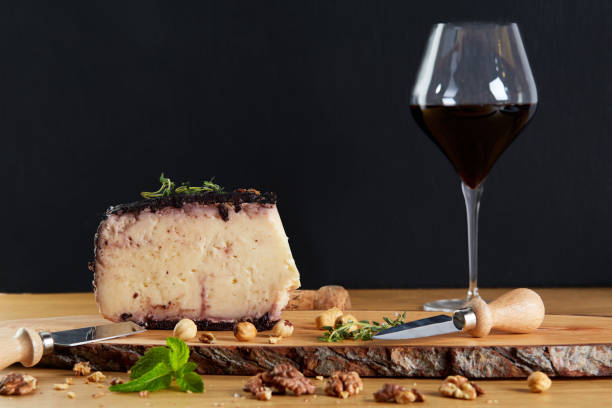
Zinfandel’s bold, jammy fruit flavors and peppery notes shine beautifully when paired with aged, firm cheeses like sharp cheddar or nutty gouda. These cheeses have a rich intensity that stands up to the wine’s high alcohol and bold structure without being overpowered.
The slight crunch of tyrosine crystals in aged gouda adds a delightful texture contrast, while the cheddar’s sharpness complements Zinfandel’s spicy finish. For the best experience, serve these cheeses at room temperature to let their flavors fully bloom.
A slice of aged gouda with a glass of Zinfandel creates a perfect balance of savory and sweet, making it an easy yet sophisticated choice for your next gathering or casual snack time.
Blue Cheese and Sharp Creamy Cheeses
If you enjoy bolder combinations, blue cheese is a fantastic match for Zinfandel. The wine’s dark fruit notes, like blackberry and plum, create a sweet-savory contrast that cuts through the cheese’s pungent creaminess.
Sharp, creamy cheeses like aged gouda or tangy goat cheese also work wonders by balancing the wine’s richness with their bright acidity. These pairings are especially great for dessert courses or as a savory snack.
When serving, opt for milder blues like gorgonzola dolce if you prefer a subtler flavor, or go bold with stilton for an intense experience. Either way, these combinations highlight Zinfandel’s versatility and complexity.
Cheeses to Avoid with Zinfandel
While Zinfandel pairs well with many cheeses, some options can clash. Avoid delicate, fresh cheeses like mozzarella or ricotta, as their mild flavors will be completely overpowered by Zinfandel’s bold profile. Similarly, overly salty cheeses like feta can make the wine taste harsh or unbalanced.
Super tannic wines also struggle with ultra-creamy cheeses, as the fat can coat the palate and mute the wine’s nuanced flavors. Stick to cheeses with enough character to match Zinfandel’s intensity, and you’ll avoid unpleasant clashes.
By steering clear of these mismatched options, you’ll ensure every sip and bite is harmonious and enjoyable.
Spicy Foods and Zinfandel: A Match Made in Heaven
Aged Cheddar and Gouda
Zinfandel’s bold, jammy fruit flavors and peppery notes shine beautifully when paired with aged, firm cheeses like sharp cheddar or nutty gouda. These cheeses have a rich intensity that stands up to the wine’s high alcohol and bold structure without being overpowered.
The slight crunch of tyrosine crystals in aged gouda adds a delightful texture contrast, while the cheddar’s sharpness complements Zinfandel’s spicy finish. For the best experience, serve these cheeses at room temperature to let their flavors fully bloom.
A slice of aged gouda with a glass of Zinfandel creates a perfect balance of savory and sweet, making it an easy yet sophisticated choice for your next gathering or casual snack time.
Blue Cheese and Sharp Creamy Cheeses
If you enjoy bolder combinations, blue cheese is a fantastic match for Zinfandel. The wine’s dark fruit notes, like blackberry and plum, create a sweet-savory contrast that cuts through the cheese’s pungent creaminess.
Sharp, creamy cheeses like aged gouda or tangy goat cheese also work wonders by balancing the wine’s richness with their bright acidity. These pairings are especially great for dessert courses or as a savory snack.
When serving, opt for milder blues like gorgonzola dolce if you prefer a subtler flavor, or go bold with stilton for an intense experience. Either way, these combinations highlight Zinfandel’s versatility and complexity.
Cheeses to Avoid with Zinfandel
While Zinfandel pairs well with many cheeses, some options can clash. Avoid delicate, fresh cheeses like mozzarella or ricotta, as their mild flavors will be completely overpowered by Zinfandel’s bold profile. Similarly, overly salty cheeses like feta can make the wine taste harsh or unbalanced.
Super tannic wines also struggle with ultra-creamy cheeses, as the fat can coat the palate and mute the wine’s nuanced flavors. Stick to cheeses with enough character to match Zinfandel’s intensity, and you’ll avoid unpleasant clashes.
By steering clear of these mismatched options, you’ll ensure every sip and bite is harmonious and enjoyable.
Vegetarian Dishes That Complement Zinfandel
Grilled Vegetables and Portobello Mushrooms
Grilled vegetables and portobello mushrooms are fantastic choices to pair with Zinfandel because their smoky, charred flavors mirror the wine’s bold, spicy profile. The natural umami in portobellos, especially when marinated in balsamic vinegar or olive oil, creates a satisfying contrast to Zinfandel’s ripe fruit notes.
Try grilling bell peppers, zucchini, or asparagus alongside the mushrooms for a hearty, meat-free meal. The wine’s high acidity cuts through the earthiness of the vegetables, while its peppery finish complements the slight bitterness from grilling. For an extra kick, sprinkle some smoked paprika or garlic powder on the veggies.
This pairing works exceptionally well for summer cookouts or cozy indoor dinners. Whether you’re serving the veggies as skewers or a standalone dish, the combination is simple yet elegant, making it a go-to option for Zinfandel lovers seeking something vegetarian yet robust.
Eggplant Parmesan and Rich Tomato Sauces
Eggplant Parmesan and rich tomato sauces are a natural match for Zinfandel due to the wine’s jammy fruitiness and ability to stand up to bold, tangy flavors.
The acidity in tomato-based dishes balances the wine’s sweetness, while the crispy, fried coating of eggplant adds texture that pairs beautifully with Zinfandel’s full body. Opt for a homemade marinara sauce with herbs like basil or oregano to enhance the wine’s subtle spice notes.
The richness of melted mozzarella or parmesan also complements the wine’s smooth tannins. For a lighter twist, try roasted eggplant slices with a chunky tomato sauce instead of frying. This dish is comfort food at its finest, and Zinfandel’s bold character ensures it won’t get lost among the strong flavors.
Serve with crusty bread to soak up the sauce and wine together.
Vegetarian Chili and Stews
Vegetarian chili and stews are hearty, flavorful dishes that pair wonderfully with Zinfandel, thanks to their spices and textures matching the wine’s intensity. Beans, lentils, and vegetables like sweet potatoes or carrots add natural sweetness, which harmonizes with Zinfandel’s dark fruit notes.
The wine’s peppery undertones also echo the cumin, chili powder, or paprika often used in these dishes. For a richer pairing, choose a chili with a smoky base or add a touch of dark chocolate or cocoa for depth.
The wine’s boldness can handle the heat, while its acidity refreshes the palate between bites. Slow-cooked stews with root vegetables or chickpeas are equally delightful. These comforting meals are perfect for cooler evenings, and Zinfandel’s robust profile ensures every bite feels balanced and satisfying.
Top with fresh cilantro or a dollop of sour cream to soften the spice and let the wine shine.
Zinfandel and Pizza: A Classic American Pairing
Meat-Lover’s Pizza
When you’re craving a hearty meat-lover’s pie, Zinfandel is your perfect match. This bold red wine has enough fruit-forward intensity to stand up to savory toppings like pepperoni, sausage, or bacon.
The wine’s jammy dark fruit notes, think blackberry and plum, create a delicious contrast with the salty, smoky flavors of cured meats. Plus, Zinfandel’s slightly higher alcohol content helps cut through the richness of cheese and grease, cleansing your palate between bites.
Next time you order a meat-heavy pizza, grab a bottle of Zinfandel for a pairing that balances bold flavors without overwhelming your taste buds. It’s a simple, satisfying combo that feels like a treat every time.
Pizza with Caramelized Onions and Peppers
If you prefer veggie-forward pizzas with caramelized onions and roasted peppers, Zinfandel’s spicy undertones shine beautifully. The wine’s natural sweetness complements the onions’ natural sugars, while its peppery finish harmonizes with the slight char on peppers.
This pairing works because Zinfandel’s acidity cuts through the sweetness of caramelized veggies, keeping each bite refreshing. For a fun twist, try a pizza with balsamic-glazed onions—the wine’s dark fruit flavors will pop against the tangy glaze.
It’s a lighter yet still flavorful option that shows off Zinfandel’s versatility beyond just meat-heavy dishes.
Why It Works Better Than Italian Reds
Zinfandel outshines traditional Italian reds like Chianti when pairing with pizza because it’s bolder and fruitier. Italian wines can sometimes taste too earthy or acidic against pizza’s tomato sauce, but Zinfandel’s ripe berry flavors complement the sauce’s tanginess.
Plus, its soft tannins mean it won’t clash with the cheese or crust. While Italian reds are great for pasta, Zinfandel’s playful, jammy character fits the casual, fun vibe of pizza night perfectly. It’s a match made in American culinary heaven—easygoing, flavorful, and always crowd-pleasing.
Common Zinfandel Pairing Mistakes to Avoid
Avoiding Delicate Seafood and Light Salads
One big mistake is pairing Zinfandel with super light dishes like delicate seafood or simple green salads. Zinfandel is a bold, jammy red wine with high alcohol and intense fruit flavors, which can easily overpower subtle dishes.
If you pour a glass of Zin with a piece of steamed cod or a mild shrimp salad, the wine will completely drown out the food’s flavor. Instead, you want bold, robust flavors that can stand up to the wine’s intensity.
Think grilled meats, hearty stews, or rich tomato-based pasta dishes. These options create a nice balance, allowing both the food and the wine to shine. So, save that light fish for a crisp white wine and reach for something heartier when you open a bottle of Zinfandel.
This simple swap will make your meal much more enjoyable and harmonious, ensuring you get the best out of every sip and bite.
Watch Out for Excessive Sweetness
Another common pitfall is pairing Zinfandel with foods that are overly sweet. While Zinfandel often has fruity notes, it is typically a dry wine. If you pair it with a dessert that is too sugary, the wine can taste bitter, sour, or unpleasantly tart.
The high sugar content in desserts clashes with the wine’s natural acidity and alcohol, throwing the whole experience off balance. It’s much better to pair Zinfandel with savory, spicy dishes or semi-sweet items like barbecue sauces and caramelized glazes.
These savory elements complement the fruitiness of the wine without creating a jarring contrast. If you really want a sweet treat, opt for dark chocolate with a high cocoa percentage rather than sugary cakes or pastries.
This way, you enhance the wine’s complexity instead of fighting against its natural dry profile.
Balancing Tannins with Fatty Foods
Zinfandel can have some firm tannins, especially if it’s a bold vintage from a warm region. Pairing these tannic wines with lean, light proteins can make the wine feel rough and astringent in your mouth. To avoid this, you need to incorporate rich, fatty foods that soften those tannins.
Dishes like braised short ribs, juicy burgers, or aged cheeses with high fat content are perfect companions. The fats and proteins coat your palate, smoothing out the wine’s texture and making it taste smoother and more luxurious. This balance is key to a great pairing.
So, don’t be afraid to embrace indulgent foods when drinking Zinfandel. The wine’s natural acidity cuts through the richness of the food, while the food tames the wine’s structure, creating a delicious, mouth-watering cycle that keeps you coming back for more.
Frequently Asked Questions
What foods pair best with Zinfandel?
Zinfandel pairs beautifully with bold, flavorful dishes like barbecued ribs, grilled sausages, or spicy Cajun cuisine. Its fruit-forward profile and higher alcohol content complement rich, smoky, and spicy flavors. Avoid overly delicate dishes, as the wine’s intensity can overpower them.
Can I pair Zinfandel with cheese?
Yes, Zinfandel works well with aged, firm cheeses like aged cheddar, gouda, or Monterey Jack. The wine’s bold flavors stand up to the richness of these cheeses. Soft or creamy cheeses, however, may be overshadowed by the wine’s intensity.
Does Zinfandel go with pasta?
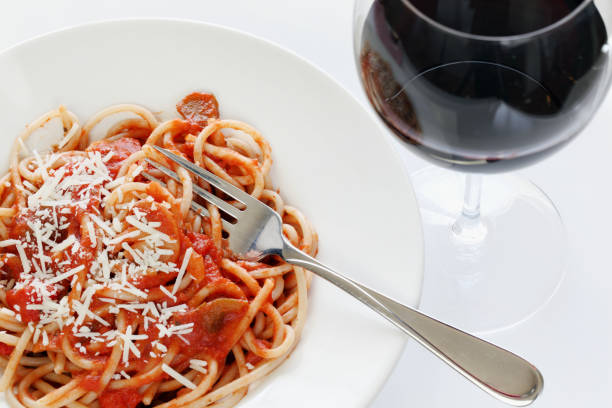
Zinfandel pairs excellently with hearty pasta dishes, especially those with tomato-based sauces, meatballs, or spicy arrabbiata. The wine’s fruitiness balances the acidity and spice of these dishes. Lighter pasta dishes, like those with cream sauces, are less ideal.
Is Zinfandel good with grilled meats?
Absolutely! Zinfandel is a classic pairing for grilled meats like steak, burgers, or lamb chops. Its bold flavors and tannins complement the charred, smoky notes of grilled foods. Marinating the meat with herbs or spices can enhance the pairing even further.
What vegetables go well with Zinfandel?
Zinfandel pairs well with robust, grilled vegetables like portobello mushrooms, eggplant, or bell peppers. These vegetables have earthy and smoky flavors that harmonize with the wine. Lighter, steamed vegetables may not stand up to the wine’s intensity.
Can I serve Zinfandel with spicy food?
Yes, Zinfandel’s fruit-forward nature and slight sweetness make it a great match for spicy dishes like Thai curry or Indian vindaloo. The wine helps cool the heat while complementing the bold spices. Just avoid overly fiery dishes, as they may overwhelm the wine.
Conclusion
Zinfandel’s bold fruitiness and spice make it a versatile companion for rich, flavorful dishes. Pair it with grilled meats, barbecued ribs, hearty stews, or aged cheeses to enhance its jammy notes. For lighter styles, try tomato-based pasta or spicy Asian cuisine. Whether you prefer a robust red or a crisp white Zinfandel, its adaptability ensures there’s a perfect match for every meal. Experiment with these pairings to elevate your dining experience and discover your favorite combinations. Cheers!