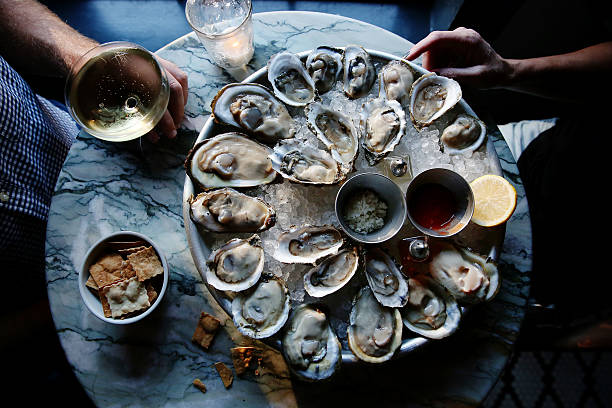
What Wine Goes With Oysters
If you’re wondering what wine goes with oysters, you’ve come to the right place. In the next few lines we’ll cut through the confusion and match you with the perfect sip, whether you prefer crisp whites, bright rosés, or even a sparkling surprise. Expect quick, tasty recommendations that pair the briny sea‑flavor of oysters with the ideal wine, so you can enjoy a flawless, effortless pairing every time and impress your guests effortlessly with confidence today.
What Types of Wine Pair Best with Oysters
Classic White Wines
Pair oysters with crisp, mineral-driven whites to highlight their briny sweetness. Choose a dry Sauvignon Blanc from the Loire or New Zealand for bright citrus notes that cut through the oyster’s richness.
Opt for a Chablis with its flinty acidity, which mirrors the sea‑salt character and cleanses the palate between bites. If you prefer a richer texture, a unoaked Chardonnay from Chablis or a cool‑climate Burgundy offers subtle apple and pear flavors without overwhelming the delicate meat.
Serve the wine well‑chilled, around 45‑50°F, and provide a small tasting glass so diners can sip, taste, and adjust seasoning. This approach ensures the wine enhances the oyster’s natural flavor rather than masking it, delivering a balanced, refreshing experience.
Consider adding a squeeze of fresh lemon or a dash of mignonette; the acidity of the wine will complement these condiments, keeping the overall profile lively and clean.
Sparkling Wines for Briny Flavors
Sparkling wines bring effervescence that cuts through the oceanic richness of oysters, making each bite feel lighter. Select a Brut Champagne with fine bubbles and a crisp minerality; its citrus zest and subtle toast echo the oyster’s saline notes while refreshing the palate.
Try a dry Prosecco from the Valdobbiadene region for a slightly fruitier profile that still offers enough acidity to balance the brine. For a more adventurous choice, opt for a sparkling Albariño from Rías Baixas, whose bright stone‑fruit aromatics and saline finish mirror the sea‑spray flavor of the shellfish.
Serve the sparkling wine chilled at 40‑45°F and pour it gently to preserve the mousse. Pairing these bubbles with a light mignonette or a cucumber‑mint garnish enhances the crispness, ensuring the wine and oysters work together for a vibrant, mouth‑watering experience.
Enjoy the pairing as an elegant starter that awakens the senses before the main course.
Rosé Options for Light Meals
Rosé wines provide a delicate fruitiness and refreshing acidity that complement oysters without overpowering them, especially when served with light accompaniments. Choose a dry Provençal rosé with pale strawberry and citrus notes; its crisp backbone mirrors the oyster’s briny sweetness while adding a subtle floral hint.
A Spanish rosado from Rioja or Navarra, featuring red‑berry flavors and a clean finish, works well with oysters topped with a light herb vinaigrette.
For a Mediterranean twist, opt for a rosé made from Grenache in the Languedoc, offering hints of watermelon and a gentle minerality that echo the sea breeze. Serve the rosé chilled at 48‑52°F and present it in a narrow glass to concentrate aromas.
Pair the wine with a simple garnish of sea salt and a squeeze of lime to accentuate the fruit‑forward profile, creating a balanced, refreshing bite that enhances both the wine and the oysters.
How to Match Wine with Different Oyster Preparations
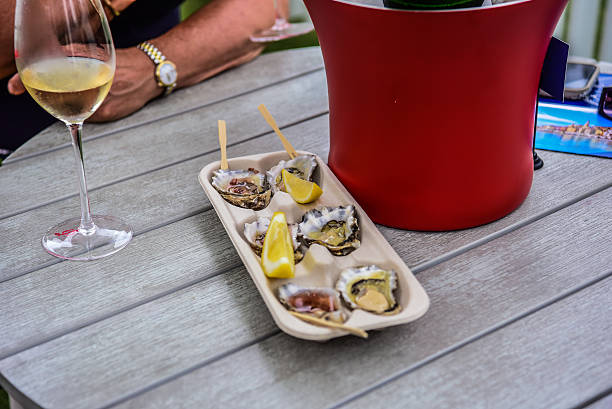
Raw Oysters on the Half Shell
Serve raw oysters on the half shell with a crisp, mineral-driven white wine that mirrors the sea’s brine. Champagne or sparkling brut is a classic choice; its fine bubbles cleanse the palate and highlight the oyster’s delicate texture.
For a still option, opt for a Muscadet Sèvre et Maine from the Loire Valley, whose bright acidity and subtle salinity echo the oyster’s natural flavor.
If you prefer a slightly richer profile, a Chablis—unoaked Chardonnay from Burgundy—offers flinty notes and a clean finish that complements the oyster without overwhelming it. Avoid heavily oaked or buttery wines, as they can mask the subtle sweetness of the shellfish.
Pairing these wines with a squeeze of fresh lemon or a light mignonette enhances the harmony, creating a refreshing, elegant experience. Serve the oysters chilled on a bed of crushed ice to keep the flavors bright and the wine at its optimal temperature.
Grilled or Baked Oysters
Grilled or baked oysters develop smoky, caramelized notes that call for wines with a touch of richness and balanced acidity. Sauvignon Blanc from New Zealand, with its vibrant citrus and herbaceous character, cuts through the char while accentuating the oyster’s sweet brine.
A dry Riesling from Alsace offers a mineral backbone and subtle fruit that pairs well with a light butter or herb topping. For those who enjoy a fuller body, a white Rioja—aged briefly in oak—provides gentle vanilla nuances that complement the smoky mantle without overwhelming the delicate seafood.
When the oysters are finished with a splash of garlic‑butter sauce, a Pinot Gris from Oregon, with its creamy texture and bright acidity, mirrors the sauce’s richness and keeps the palate refreshed.
Avoid overly tannic reds, as they clash with the salty, smoky profile, and keep the wine chilled to enhance the contrast between heat and coolness.
Oyster Rockefeller and Rich Sauces
Oyster Rockefeller and other richly sauced preparations demand wines that can stand up to buttery, cheesy, and herb‑laden flavors while preserving the oceanic essence. A full‑bodied Chardonnay from California, especially one with restrained oak, delivers creamy mouthfeel and citrus acidity that cuts through the sauce’s richness.
For a slightly spicier edge, a Gewürztraminer from Alsace offers aromatic intensity and a hint of sweetness that balances the salty, umami depth of the dish.
If you prefer a more mineral profile, an Albariño from Rías Baixas brings bright stone‑fruit notes and brisk acidity, providing a refreshing counterpoint to the heavy topping.
When the Rockefeller includes spinach and bacon, a Viognier from the Rhône Valley, with its lush apricot aroma and moderate acidity, mirrors the earthy greens while softening the smoky bacon.
Steer clear of overly tannic reds; instead, serve the wine slightly chilled (10‑12 °C) to maintain balance and enhance the interplay of flavors.
Tips for Choosing the Right Wine Based on Region
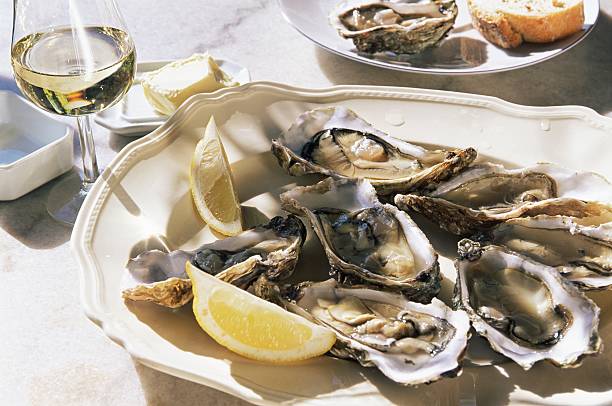
East Coast Oysters and Local Wines
When you’re enjoying East Coast oysters, look for wines that echo the briny, mineral character of the Atlantic. A crisp, unoaked Chardonnay from Virginia or a bright Albariño from the East Coast of the U.S. offers citrus acidity that cuts through the oyster’s natural sweetness while highlighting its saline notes.
Key point: Choose wines with high acidity and low oak influence to keep the palate clean. A dry Riesling from New York’s Finger Lakes provides stone‑fruit aromatics that complement the oyster’s buttery texture without overwhelming it.
For a truly local match, try a sparkling Brut from a New Jersey winery; the fine bubbles lift the oyster’s flavors and the subtle yeast notes add complexity. Tip: Serve the wine chilled at 45‑50°F to maintain freshness and let the oyster’s delicate nuances shine on the plate.
West Coast Oysters and Pacific Selections
West Coast oysters, especially those from Puget Sound and California, thrive with wines that balance bright acidity and a touch of minerality. A chilled Sauvignon Blanc from Washington State delivers grapefruit and green‑herb notes that echo the oyster’s crisp texture while its acidity cleanses the palate.
Key point: Opt for a wine with pronounced citrus and subtle grassy tones to mirror the oceanic freshness. For a richer pairing, a lightly oaked Chardonnay from Sonoma Coast offers buttery nuances that complement the plump, slightly sweet flavor of Pacific oysters without masking them.
If you prefer bubbles, a dry Prosecco from the Pacific Northwest provides fine effervescence that lifts the brine and adds a lively finish. Tip: Keep the wine at 48‑52°F and serve the oysters on a chilled slate to maintain optimal temperature contrast.
European Oysters and Old World Pairings
European oysters, from the classic French Marennes to the Irish Atlantic varieties, call for wines that reflect Old World elegance and terroir.
A crisp Muscadet Sèvre et Maine, with its signature saline minerality and subtle lemon zest, pairs beautifully with the clean, briny profile of French oysters, allowing the shellfish’s subtle sweetness to shine. Key point: Choose a wine with low alcohol and pronounced acidity to avoid overpowering the delicate flavors.
For a richer experience, a dry Vinho Verde from Portugal offers slight effervescence and bright green‑apple notes that enhance the oyster’s creamy texture while preserving freshness.
If you enjoy red options, a light‑bodied Gamay from Beaujolais, served slightly chilled, can provide soft red‑fruit nuances that complement the oyster’s buttery mouthfeel without adding tannic weight. Tip: Serve all wines at 45‑50°F and present the oysters on a chilled marble slab for a refined, cohesive tasting experience.
Best Ways to Serve Wine with Oysters
Temperature Guidelines
Serving oysters with wine starts with temperature. Chill the wine to 45‑50°F (7‑10°C) for most crisp whites and sparkling varieties; this preserves acidity and bright fruit that cut through the briny oyster.
If you prefer a fuller‑bodied white such as Chardonnay, aim for a slightly warmer 50‑55°F (10‑13°C) to reveal buttery notes without overwhelming the shellfish. Avoid room‑temperature reds, as their tannins clash with the delicate texture.
For a dry rosé, keep it at the same cool range as a white to maintain freshness. Always use an ice bucket and check the temperature with a wine thermometer before serving. If the wine warms too quickly, replace the bucket or add fresh ice.
Proper cooling ensures the wine’s acidity and minerality shine, creating a harmonious pairing that highlights both the wine and the oyster’s natural salinity.
Glassware Selection
The right glass can amplify the oyster‑wine connection. Choose a white‑wine glass with a narrow rim to concentrate aromatic citrus and mineral notes, guiding them straight to the palate. For sparkling wines, a flute or tulip glass preserves bubbles and directs the crisp acidity toward the oyster’s brine.
If you serve a dry rosé, a standard white‑wine glass works well, offering enough bowl to showcase fruit while keeping the drink cool. Avoid wide‑bowl red‑wine glasses, which disperse aromas and warm the wine, dulling the delicate balance.
Hold the glass by the stem to prevent hand heat from raising the temperature. When presenting, arrange the glasses on a chilled tray alongside the oyster platter; this visual cue reminds guests to sip promptly.
Selecting appropriate glassware not only enhances flavor perception but also adds an elegant, coordinated touch to the overall dining experience.
Timing the Pour
Timing the pour is as critical as temperature and glassware. Serve the wine within five minutes of opening to capture its freshest aromatics and brightest acidity, which complement the oyster’s clean taste.
For still whites, give the bottle a brief swirl before pouring to release subtle floral and citrus scents; this also helps guests see the wine’s clarity.
With sparkling wines, pour slowly down the side of the glass to preserve bubbles and prevent a frothy overflow that could drown the oyster’s subtle flavors. If you’re using a rosé, a gentle pour ensures the wine remains chilled and the fruit notes stay vivid.
Encourage diners to take a small sip before the first oyster, allowing the palate to adjust and the wine’s minerality to prime the mouth. By coordinating the pour with the oyster service, you create a seamless rhythm that heightens enjoyment and showcases the perfect pairing.
What to Avoid When Pairing Wine and Oysters
Overly Oaked Whites
Steer clear of heavily oaked white wines when serving oysters, as the dominant vanilla and buttery notes can mask the delicate brine and minerality of the shellfish. Avoid excessive oak and look for wines with a crisp, clean profile instead.
Oaked Chardonnays often carry a creamy texture that competes with the silky slip of the oyster, leaving the palate feeling muddied. Choose a wine that highlights acidity and freshness, allowing the oyster’s natural salinity to shine.
By skipping the oak, you preserve the subtle sweet‑sea flavor and keep the pairing light and refreshing, which is essential for an enjoyable seafood experience. A classic alternative is a unoaked Sauvignon Blanc or a crisp Muscadet, both of which deliver bright citrus and mineral notes without overwhelming the oyster.
Prioritize high acidity and a clean finish; these characteristics cut through the briny texture and enhance the sea‑kissed flavor rather than hiding it. Remember, the goal is to let the oyster lead the conversation, not to drown it in oak‑derived richness.
Heavy Reds
Heavy, tannic reds are a mismatch for oysters because their robust structure can overpower the subtle, saline qualities of the shellfish. Avoid high‑tannin varieties such as Cabernet Sauvignon or Syrah, which introduce astringency that clashes with the oyster’s silky texture.
The bold fruit and oak influence in these wines tend to dominate the palate, leaving little room for the oyster’s natural brine to be appreciated.
Instead, opt for a light‑bodied red with low tannins, like a chilled Pinot Noir or a Gamay, which offers gentle red fruit notes without overwhelming the seafood.
By selecting a restrained red, you maintain balance, allowing the oyster’s freshness to shine while still providing a touch of fruit complexity that complements rather than competes. Serve the wine slightly chilled, around 55°F, to enhance its acidity and keep the mouthfeel crisp.
Prioritize freshness over body, ensuring the wine acts as a subtle backdrop rather than a dominating force.
Too Sweet Sparkling
Overly sweet sparkling wines can drown the clean, mineral character of oysters, turning a delicate pairing into a cloying experience. Steer clear of high‑dosage champagnes or overly sugary Prosecco, which add honeyed notes that mask the briny freshness of the shellfish.
The excess sugar creates a heavy mouthfeel that competes with the oyster’s light slip, making the palate feel sticky rather than crisp. Instead, select a brut or extra‑brut style that offers bright acidity and subtle fruit without overwhelming sweetness.
These drier bubbles lift the oyster’s natural flavors, providing a refreshing contrast that accentuates the sea‑salt nuance. By opting for a restrained sparkle, you preserve the oyster’s elegance and ensure the wine acts as a lively, palate‑cleansing partner rather than a sugary veil.
Pair it with raw or lightly shucked oysters on the half shell, and serve the wine chilled at 45‑50°F to keep the bubbles lively. Focus on dryness to let the oyster’s brine sparkle alongside the fizz.
How to Taste and Evaluate the Pairing
Assessing Balance and Acidity
Begin by taking a small sip of the wine and a bite of the oyster in quick succession. Notice how the wine’s acidity mirrors the briny, mineral quality of the shellfish, creating a clean, refreshing finish.
High‑acid wines such as Muscadet, Chablis, or a crisp Sauvignon Blanc will cut through the oyster’s natural salinity, while low‑acid options can feel heavy and mask subtle flavors.
Pay attention to the length of the after‑taste; a well‑balanced pairing should leave a lingering, harmonious note rather than a sharp, drying sensation. If the wine feels too sharp, it may dominate the oyster; if it feels flat, the oyster will dominate the palate.
Use this assessment to decide whether the wine’s acidity level is appropriate for the specific oyster variety you’re serving. Consider the oyster’s terroir—whether it comes from a cold, rocky coast or a warmer, sandy bay—as this influences the mineral intensity and can shift the perceived acidity balance.
Noticing Flavor Complementarity
After establishing balance, turn your focus to the flavor dialogue between wine and oyster.
The subtle sweetness of a fine Champagne or a lightly oaked Pinot Grigio can echo the faint nutty undertones found in Pacific oysters, while a dry Riesling may highlight the citrus zest that often accompanies East Coast varieties.
Key flavor bridges include mineral notes, green apple, lime, and a whisper of saline brine. Sip the wine, then let the oyster linger on your tongue; notice whether the wine amplifies the oyster’s sweet‑coconut nuance or whether it introduces contrasting herbaceous tones that add complexity.
If the pairing feels flat, try a wine with a touch more fruit or a hint of floral aromatics to create a richer tapestry. The goal is a seamless conversation where each bite and sip reveal new layers without one overpowering the other.
Adjusting Pairing on the Fly
Even with a solid baseline, real‑time adjustments keep the experience dynamic. If the oyster’s brine feels too aggressive, add a splash of chilled sparkling water to the glass or switch to a slightly sweeter wine such as an off‑dry Albariño.
Conversely, when the wine appears too soft, a quick rinse of the palate with a slice of lemon or a pinch of sea salt can sharpen perception and bring out hidden acidity.
Practical tweaks include chilling the wine an extra few degrees, serving it in a smaller flute to concentrate aromas, or pairing the oyster with a light garnish—like a dash of mignonette—that mirrors the wine’s herbaceous profile.
Observe how each modification alters the balance and note the combinations that deliver the most harmonious finish. This iterative approach empowers you to fine‑tune the pairing for different oyster species, seasonal variations, and personal taste preferences.
Frequently Asked Questions About Wine and Oysters
Can Red Wine Work with Oysters?
When pairing red wine with oysters, focus on light‑bodied, low‑tannin options that won’t overwhelm the briny freshness. Choose a Pinot Noir from a cool climate or a young Beaujolais Nouveau, both offering bright red fruit and subtle earth tones.
Serve the wine slightly chilled, around 55°F, to enhance its crispness and keep the palate refreshed. Avoid heavy, oak‑aged reds like Cabernet Sauvignon, whose bold structure can mask the delicate sea flavors. Instead, look for wines with soft acidity and a gentle mouthfeel that complement the oyster’s natural salinity.
A brief taste test—sipping the wine before the first oyster—helps gauge balance; if the wine feels too robust, switch to a white or sparkling alternative. Remember, the goal is harmony, not competition, so a subtle red can work beautifully when selected with care.
Pair it with a light citrus vinaigrette on the oyster or a simple mignonette to further tie the flavors together.
Is Champagne the Only Sparkling Choice?
Champagne is a classic match for oysters, but it’s far from the only sparkling option that can elevate the experience. Opt for a dry Crémant from Loire or Burgundy, which offers similar fine bubbles and bright acidity at a more approachable price point.
A Brut Rosé, whether from Provence or California, adds a hint of red fruit that pairs nicely with the oyster’s mineral notes without overpowering them.
When selecting a sparkling wine, prioritize high acidity and low residual sugar, as these characteristics cut through the briny juice and cleanse the palate between bites. Serve the wine well chilled, between 45–50°F, to accentuate its crispness and aromatic finesse.
If you prefer a non‑French style, try an English sparkling wine made with traditional method grapes; its creamy texture and subtle yeastiness can complement the oyster’s silky mouthfeel. Experiment with a few varieties to discover which sparkling profile best matches your personal taste and the specific oyster preparation.
How Much Wine Should I Serve per Oyster Plate?
Determining the right wine portion for an oyster plate hinges on balancing flavor intensity and pacing the meal. A good rule of thumb is one 4‑ounce (120 ml) glass per six to eight oysters, which provides enough acidity to refresh the palate without overwhelming the delicate seafood.
If you’re serving a larger platter, consider offering two glasses spread across the course, allowing guests to sip between bites and maintain a consistent taste experience. Choose wines with crisp acidity and moderate alcohol (around 11–12 % ABV) so the alcohol doesn’t dominate the subtle brine.
For a tasting menu, a series of small pours—such as a 2‑ounce splash of sparkling, followed by a 3‑ounce pour of a light white—creates a progressive pairing that mirrors the oyster’s texture evolution.
Always keep the wine chilled, ideally at 48–52°F, and provide a water glass for guests who may want to pause. This measured approach ensures each oyster is highlighted while the wine enhances, rather than masks, the sea‑derived nuances.
Frequently Asked Questions
What type of wine pairs best with raw oysters?
Dry, high-acidity white wines such as Muscadet, Chablis, or Champagne complement the briny, delicate flavor of raw oysters.
Can I pair oysters with a sparkling wine?
Yes, sparkling wines like Champagne, Prosecco, or Crémant are classic choices because their bubbles and acidity enhance the oyster’s texture and taste.
Are there red wines that work with cooked oysters?
While white wines are preferred, a light, low-tannin red like a Pinot Noir served chilled can work with grilled or baked oysters, especially when accompanied by richer sauces.
How does the preparation method affect wine selection?
Raw oysters pair best with crisp whites; fried oysters benefit from a fuller-bodied white like Chardonnay; baked oysters with cheese pair nicely with a buttery white or a lightly oaked Chardonnay.
What regional wines are traditional pairings for oysters?
In France, Muscadet from the Loire Valley and Chablis from Burgundy are traditional; in the US, California Sauvignon Blanc and Oregon Pinot Gris are popular choices.
Should I consider the oyster’s origin when choosing a wine?
Yes, local oysters often pair well with wines from the same region, as the terroir influences flavor; for example, East Coast oysters pair nicely with New York or Virginia whites.
Conclusion
When pairing oysters, crisp, mineral-driven whites like Muscadet, Chablis, or a dry Champagne shine, while light, aromatic whites such as Sauvignon Blanc or Albariño add bright acidity. For a touch of richness, a lightly oaked Chardonnay works, and a dry rosé offers a refreshing twist. Remember to serve chilled and enjoy the synergy of briny sea flavors with bright wine. Experiment and find your perfect match!
