Comparison: Best Cutting Board Material For Japanese Knives (Updated | Jun 10th)
If you’ve ever sliced with a Japanese knife, you know it’s a game-changer—razor-sharp, precise, and a joy to use. But even the best blade can suffer if your cutting board fights against it. The wrong surface dulls edges fast and can even damage the delicate steel. So, what’s the ideal match? We’ve tested wood, plastic, bamboo, and composite boards to find which one truly respects your knife’s craftsmanship while making prep work a breeze. Let’s break down the best materials to keep your Japanese knives slicing like new.
- Best for blade‑friendly plastic: Yoshihiro Hi Soft High Performance Professional Grade Cutting Board Japanese Sashimi Chef’s Tool Made in Japan (Large)
- Best for fragrant hinoki medium: Shun Hinoki Cutting Board – Medium – 15.75″ x 10.75″ x 0.5″
- Best for durable rubber surface: Asahi Cookin Cut Rubber Cutting Board
- Best for multi‑side rubber: Kitchen Star Tsukihoshi Rubber Cutting Board Made in Japan
- Best for extra‑large blade care: Yoshihiro Hi Soft High Performance Professional Grade Cutting Board Japanese Sashimi Chef’s Tool Made in Japan (XX-Large)
- Best for x‑large knife friendly: Yoshihiro Hi Soft High Performance Professional Grade Cutting Board Japanese Sashimi Chef’s Tool Made in Japan (X-Large)
- Best for dual‑side performance: Japanese Cutting Board 19.6 x 10.6 x 0.8 High Soft High Performance Professional Grade Sashimi Cutting Chopping Board Chef Tool Large Dishwasher for Kitchen Restaurants Home Sashimi Meat Vegetables
- Best for scented large hinoki: Hinoki Japanese Cypress Wood Cutting Board
- Best for compact hinoki board: Shun Cutlery Small Hinoki Cutting Board
- Best for traditional small hinoki: YAMASAN KYOTO UJI Japanese Hinoki Cutting Board – Small – Natural Cypress Wood Cutting Board
Product Comparison: Best Cutting Board Material For Japanese Knives
Yoshihiro Hi Soft High Performance Professional Grade Cutting Board Japanese Sashimi Chef’s Tool Made in Japan (Large)

If you have invested in high-end Japanese steel, the Yoshihiro Hi Soft Large board is essentially an insurance policy for your edge. What really makes this stand out is the proprietary synthetic material; it has a “squish” to it that feels almost like cutting on a firm eraser. When your knife hits the surface, the board absorbs the impact rather than fighting back, which is exactly why professional sushi chefs swear by it for delicate sashimi work. It’s significantly more forgiving than standard plastic or hardwood.
I’d recommend this for the home cook who has graduated to high-carbon steel knives that are prone to chipping. At 19.6 inches, the Large size is the “sweet spot” for most home kitchens—big enough for serious prep but still manageable at the sink. It’s the ultimate choice for someone who wants the performance of professional rubber without the weight or maintenance of wood.
The trade-off here is the aesthetic and the price. Let’s be honest: it looks like a plain slab of beige plastic, which won’t win any kitchen beauty contests. Also, because it is soft, it can be prone to staining if you leave beet juice or turmeric on it for too long, and it requires a bit of scrubbing to keep that “pro” look.
Shun Hinoki Cutting Board – Medium – 15.75″ x 10.75″ x 0.5″

There is something incredibly tactile and sensory about using the Shun Hinoki Medium board. Unlike synthetic boards, this is made from Japanese Cypress, which releases a subtle, clean fragrance when it gets wet. In real-life use, the standout feature is the “give” of the wood. Hinoki is naturally soft-density, meaning your knife edge sinks slightly into the fibers instead of dulling against a hard surface. It’s also FSC certified, which adds a layer of sustainability to its undeniable beauty.
This is the perfect match for a Shun enthusiast or anyone who prefers the traditional feel of wood but finds bamboo or maple too hard for their thin-edged Japanese blades. The medium size is versatile enough for daily vegetable prep while being thin enough to store vertically without taking up half your cabinet.
However, the downside is the high maintenance. You cannot just toss this in the dishwasher. To prevent warping and staining, you have to dampen it before every single use and be meticulous about air-drying it away from the sun. If you’re a “low-maintenance” cook, the constant ritual of caring for hinoki might eventually feel like a chore.
Asahi Cookin Cut Rubber Cutting Board, NE05102, Home Use, Made in Japan L 15.7 x 9.1 x 0.5 inches (40cm x 23cm x 1.3cm)

The Asahi Cookin Cut L is a legend in the world of professional Japanese kitchens for a reason. What makes it stand out is its unique synthetic rubber composition that mimics the feel of wood while offering the hygiene of plastic. It’s incredibly dense and heavy, meaning it won’t slide around on your counter even during heavy chopping. The surface is scratch-resistant in a way that cheaper boards aren’t, so you don’t get those deep, ugly grooves where bacteria likes to hide.
I would suggest this for the serious home chef who wants a “buy it for life” utility board. If you do a lot of heavy protein prep—breaking down chickens or slicing large roasts—the Asahi is your best friend. It’s built to take a beating while still being remarkably kind to your knife’s edge.
The main trade-off is the weight and the rigidity. At 0.5 inches thick, it’s quite heavy for its size, and it doesn’t have any juice grooves or handles. It’s a functional, industrial-looking slab. Also, it is not dishwasher safe; the high heat of a drying cycle can cause these rubber boards to warp, so you’re committed to hand-washing a heavy piece of equipment.
Kitchen Star Tsukihoshi Rubber Cutting Board Made in Japan,Dishwasher-Safe Size:13.54×8.38×0.39inches(344×213×10mm) Equipped with a Cutting Board Scraper for Synthetic Rubber Cutting Boards (M)

The Kitchen Star Tsukihoshi board is a clever hybrid that brings pro-level rubber technology into a more consumer-friendly package. What stands out most is that it is dishwasher-safe, which is a rarity for high-quality synthetic rubber boards. It also includes a specialized cutting board scraper, allowing you to resurface the board and remove any minor nicks or stains, effectively extending its life for years. It’s a very practical, “all-in-one” solution for a modern kitchen.
This is the ideal choice for someone who wants the edge-protection of a Japanese rubber board but refuses to give up the convenience of the dishwasher. The Medium size and side-identification marks make it a great “daily driver” for busy families who need to switch between meat and veggies quickly without cross-contamination.
The downside is the size and thickness. At roughly 13.5 inches and only 0.39 inches thick, it can feel a bit small and “flimsy” compared to the heavy-duty Asahi or Yoshihiro boards. If you’re working with a large 10-inch chef’s knife, you might find the surface area a bit cramped for big batches of mirepoix.
Yoshihiro Hi Soft High Performance Professional Grade Cutting Board Japanese Sashimi Chef’s Tool Made in Japan (XX-Large)
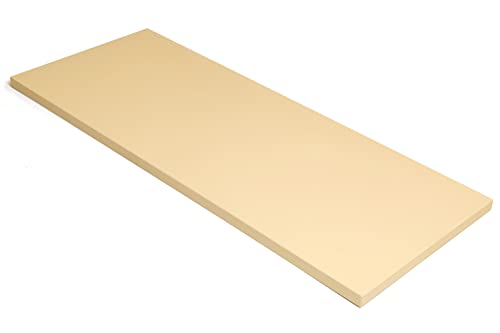
If you have a massive kitchen island and a Yanagiba (sashimi knife) that looks more like a sword than a kitchen tool, the Yoshihiro Hi Soft XX-Large is the board you need. What makes this stand out is its sheer scale—nearly 40 inches long. It provides a seamless, professional-grade synthetic workspace that allows for long, sweeping draws of the blade without ever running out of room. It’s the same high-performance material found in the smaller sizes, offering that signature “soft landing” for delicate edges.
This is strictly for the professional chef or the extreme home enthusiast who does large-scale catering or breaks down whole fish regularly. It’s designed for high carbon steel knives that would chip on almost any other surface. It turns your countertop into a professional prep station.
The trade-off is purely logistical. This board is enormous and heavy. It will not fit in a standard sink, making it a nightmare to clean unless you have a commercial spray nozzle or a bathtub. You also need a dedicated space for it, as moving a 39-inch slab in and out of a cabinet is a workout you probably don’t want every morning.
Yoshihiro Hi Soft High Performance Professional Grade Cutting Board Japanese Sashimi Chef’s Tool Made in Japan (X-Large)

The Yoshihiro Hi Soft X-Large hits that professional sweet spot for someone who needs more room than a standard home board but isn’t running a full-scale restaurant. The standout feature is the 0.8-inch thickness combined with the Hi Soft synthetic material. It provides a luxurious, dampened feel that significantly reduces hand fatigue during long prep sessions. It’s designed to keep your Japanese knives sharper for longer by minimizing the microscopic rolling of the edge that happens on harder surfaces.
This is the best buy for a serious hobbyist cook who finds standard “Large” boards a bit tight for big dinner parties. At 23.6 inches, it’s wide enough to hold your chopped piles on one side while you keep working on the other. It’s the gold standard for anyone prioritizing edge retention above all else.
The downside is that it’s quite a “thirsty” material. Because it’s designed to be soft, it can absorb oils and pigments more easily than a hard plastic board. You’ll need to be diligent about washing it immediately after use to prevent it from looking dingy, and it’s definitely not a board you’d want to use as a serving platter.
Japanese Cutting Board 19.6 x 10.6 x 0.8 High Soft High Performance Professional Grade Sashimi Cutting Chopping Board Chef Tool Large Dishwasher for Kitchen Restaurants Home Sashimi Meat Vegetables

This Japanese Cutting Board made from LDPE plastic offers a professional feel at a potentially more accessible price point. What makes it stand out is its scratch-resistant and “self-healing” nature. While it’s plastic, it isn’t the hard, brittle stuff you find at big-box stores. It’s an elastic material that allows the knife to bite just enough to feel secure without dulling the blade. It’s also dishwasher safe, which is a massive plus for hygiene-conscious cooks.
I’d recommend this for someone who wants the technical benefits of a professional sashimi board but prefers the convenience of modern materials. It’s perfect for a high-volume home kitchen where you’re constantly prepping meat and vegetables and need a board that can be sanitized in the machine without warping.
The trade-off here is that it lacks the “soul” of a wood board and the premium density of high-end rubber. While LDPE is great for knives, it can feel a bit more “slippery” under the knife compared to the high-friction feel of a Yoshihiro Hi Soft. It’s a functional workhorse, but it lacks that high-end, artisanal tactile feedback some enthusiasts crave.
Hinoki Japanese Cypress Wood Cutting Board, Large

The Hinoki Japanese Cypress Wood Cutting Board (Large) is all about the marriage of aesthetics and knife safety. What makes it stand out in real life is its ultra-lightweight profile. Despite being a “Large” board at over 15 inches, it is incredibly easy to maneuver with one hand, making it simple to scrape ingredients directly into a pot. The Hinoki wood is naturally soft and contains phytoncides, which give it a beautiful scent and some natural resistance to mold.
This is the best choice for a cook who values traditional Japanese craftsmanship and wants a board that is “gentle” enough to prevent knife chipping. If you own delicate, thin-ground knives, this wood acts as a cushion. It’s also beautiful enough to stay on your counter as a permanent fixture.
The honest trade-off is its durability against deep cuts. Because it is a soft wood, a sharp knife will leave visible marks quite easily. Unlike harder woods like maple or walnut, Hinoki will show its age and use much faster. It also requires the standard wood care routine: no dishwasher, frequent oiling, and pre-wetting to avoid permanent stains.
Shun Cutlery Small Hinoki Cutting Board, 10.75″ x 8.25″ Small Wooden Japanese Chopping Board for Kitchen, Medium-Soft Wood Preserves Knife Edges, Forest Stewardship Council Certified
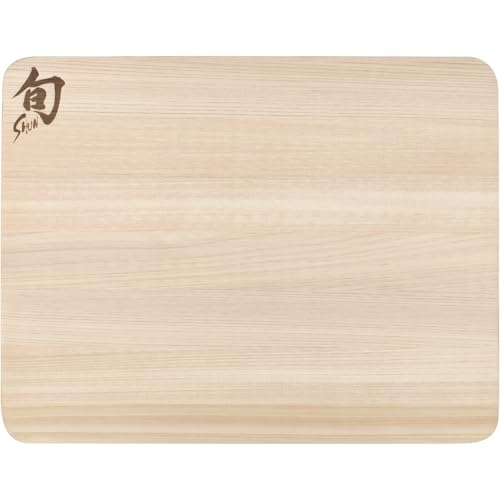
The Shun Cutlery Small Hinoki board is the “dainty” essential of the kitchen. What makes it stand out is how it handles the small, precision tasks—slicing a single lemon, mincing a clove of garlic, or trimming a steak. It uses the same premium Japanese Cypress as the larger versions, offering that signature medium-soft surface that protects the expensive edges of your Shun knives. It’s FSC certified, so you can feel good about the environmental impact of your purchase.
This is the perfect secondary board. You shouldn’t buy this as your only cutting surface, but it’s the one you’ll reach for 80% of the time when you just need to do something quick. It’s also an excellent gift for a knife enthusiast who already has the big gear but needs a dedicated “bar board” or small prep station.
The trade-off is obviously the size. At roughly 10 x 8 inches, it’s quite small. If you try to chop a bunch of kale or a whole onion on this, you’ll find ingredients falling off the sides immediately. It’s a specialty tool for small tasks, and trying to use it for “real” meal prep will likely just frustrate you.
YAMASAN KYOTO UJI Japanese Hinoki Cutting Board – Small – Natural Cypress Wood Cutting Board, Kitchen Chopping Board, High Durability, Made in Japan (14.17×8.66×0.59 inch) (Small)

The YAMASAN KYOTO UJI Hinoki board feels like a piece of authentic Japanese heritage. What stands out here is the purity of the Natural Cypress Wood. It’s a bit thicker than some other hinoki boards at 0.59 inches, which gives it a more stable, “planted” feel on the counter. The wood grain is typically very tight and beautiful, and it provides that essential high durability and “give” that keeps your Japanese steel from dulling or chipping during contact.
I would recommend this for someone who wants an authentic, Made in Japan wood board but wants something slightly more substantial than the ultra-thin versions. It’s a great size for small apartments or for someone who does a lot of delicate garnishing and wants a dedicated “clean” board for aromatics.
The downside is that Hinoki is notoriously prone to “bleeding” its natural resins, which can sometimes look like sticky spots or stains on the surface. While this is a sign of high-quality wood, it can be alarming if you aren’t expecting it. Like all cypress boards, it’s also very susceptible to food odors if you don’t wet it thoroughly before use, so you have to be disciplined with your prep routine.
Product prices and availability are accurate as of the date/time indicated and are subject to change. Any price and availability information displayed on Amazon.com at the time of purchase will apply to the purchase of this product.
Buying Guide
FAQs
What material should I choose to preserve the edge of my high‑carbon Japanese knives?
Synthetic HDPE/LDPE boards like Yoshihiro’s Hi Soft series are engineered to be gentle on blade steel, reducing edge wear while offering a non‑porous surface. Soft woods such as Hinoki also give slightly, which helps maintain sharpness, but they can absorb moisture over time. Rubber boards provide a forgiving surface but may retain more food particles. For the best edge retention, a high‑soft synthetic board is typically the most reliable.
How do synthetic boards compare to wooden Hinoki boards in terms of hygiene and maintenance?
Synthetic boards are non‑porous, dishwasher‑safe, and resist stains and odors, making them easy to sanitize after each use. Hinoki wood boards require hand washing, immediate drying, and occasional oiling to prevent cracking and odor buildup. While Hinoki offers a pleasant fragrance and natural look, synthetic options provide lower maintenance and better long‑term hygiene.
Is board size important for Japanese knife performance?
A larger surface, like the Yoshihiro 39.4″ x 15.7″ board, gives ample space for precise cuts and reduces the need to reposition the knife, preserving blade alignment. Smaller boards, such as the Shun 10.75″ x 8.25″ Hinoki board, are convenient for limited counter space but may require more frequent repositioning. Choose a size that matches your typical prep volume while ensuring enough room for smooth, uninterrupted cuts.
Do rubber cutting boards affect the feel or control of my knives?
Rubber boards have a softer impact, which can reduce hand fatigue during long prep sessions and protect delicate blades. However, they can feel slightly “spongy,” potentially affecting the tactile feedback some chefs prefer. If you value a firm, stable surface for precise slicing, a high‑soft synthetic board may provide a better balance of feel and blade protection.
Which board offers the best value for a home cook who owns multiple Japanese knives?
Yoshihiro’s Hi Soft boards deliver professional‑grade performance at a moderate price, combining durability, edge‑friendliness, and easy cleaning. Hinoki boards, while aesthetically appealing, often cost more per square inch and need more upkeep. For overall value—considering longevity, maintenance, and blade care—a synthetic Hi Soft board is usually the most cost‑effective choice.
How important is odor and stain resistance when selecting a cutting board for fish and meat prep?
Synthetic boards like the Hi Soft series are non‑porous, preventing absorption of strong odors and stains from fish or meat, which keeps the board hygienic. Wooden Hinoki boards can develop lingering smells if not properly dried, though they are naturally antimicrobial. For frequent raw protein handling, a board with proven odor and stain resistance is advisable.
Can I use the same board for both raw and cooked foods without cross‑contamination?
Many boards, such as the Yoshihiro Hi Soft and the Shun Hinoki models, offer double‑sided designs that let you designate one side for raw items and the other for cooked foods. Rubber boards often include markings to separate uses. Using a dual‑side board or clearly labeling each side helps maintain food safety while minimizing the number of boards you need.
What should I look for in a cutting board’s weight and stability?
A board with sufficient weight, like the Kitchen Star Tsukihoshi rubber board, stays firmly in place during vigorous chopping, reducing slip risk. Synthetic boards typically have a solid feel without being overly heavy, offering a stable cutting platform. Ensure the board has a non‑slip base or textured underside to keep it steady on various countertop surfaces.