5 Course Meal With Wine Pairing
Imagine the elegance of a perfectly curated 5-course meal, where each dish is complemented by a thoughtfully chosen wine. In this article, we’ll guide you through a seamless 5-course menu with wine pairing suggestions, from appetizers to dessert. You’ll learn which wines enhance flavors and how to create a memorable dining experience effortlessly. Let’s get started!
How to Plan the Perfect 5 Course Meal with Wine Pairing
What Defines a Standard 5 Course Menu Structure?
A standard 5 course meal typically follows a specific progression designed to build appetite and excitement without overwhelming your guests. You generally start with a light appetizer, such as a fresh salad or delicate soup, to awaken the palate.
Next comes a fish or seafood course, which is lighter than meat but more substantial than the opener. The main course is the heart of the meal, usually featuring a robust red meat or poultry dish with rich sides.
After the main, you serve a cheese board to bridge the gap between savory and sweet. Finally, the meal concludes with a dessert course, providing a sweet finish to the dining experience.
This structure ensures that flavors move from light to heavy, offering a balanced and satisfying journey for everyone at the table.
Essential Principles for Pairing Wine with Food
When planning a 5 course meal with wine pairing, focus on balance and complementing flavors. A key principle is matching the weight of the wine with the food; lighter wines like Pinot Grigio suit delicate courses, while bolder wines like Cabernet Sauvignon pair well with hearty mains.
Also, consider acidity and sweetness—crisp wines cut through rich dishes, while sweet wines enhance desserts. Don’t forget about acidity, as it can refresh the palate between bites. For example, a sparkling wine works wonders with appetizers, while a full-bodied red complements a juicy steak.
Avoid overpowering delicate dishes with tannic wines, and aim for harmony instead of competition. By following these guidelines, you’ll create a seamless dining experience where each sip enhances the flavor of every course.
Determining the Right Order of Flavors and Wines
The order of flavors and wines should follow a gentle upward curve in intensity. Start with a light, crisp wine like Sauvignon Blanc for your appetizer, then move to a medium-bodied white like Chardonnay for the fish course.
For the main course, choose a bold red such as Merlot or Syrah to stand up to the rich meat flavors. The cheese course pairs well with a fortified wine like Port, while a sweet dessert wine like Moscato or Riesling beautifully complements the final sweet dish.
Avoid serving heavy wines early, as they can dull the taste buds for lighter courses. Instead, let each wine and dish build upon the last, ensuring a delightful progression. This thoughtful ordering ensures your guests enjoy every moment of the meal, from the first sip to the last bite.
The First Course: Appetizers and Sparkling or Light Whites
Best Appetizer Choices: Seafood, Salads, or Soups
Start your 5-course meal with light, fresh appetizers like shrimp cocktail, citrusy salads, or a chilled cucumber soup. These dishes are light and refreshing, setting the tone for the courses to follow. Seafood pairs beautifully with crisp wines, while salads with vinaigrettes cut through richness.
Keep portions small—think 2-3 bites—to leave room for the next courses. If serving soup, opt for clear broths or creamy blends with subtle flavors. The goal is to whet the appetite without overwhelming it. Freshness is key, so use high-quality ingredients and minimal seasoning.
This first course should feel elegant but not heavy, allowing the wine to shine. Stick to simple preparations that highlight natural flavors, and you’ll create a memorable start to your meal.
Why Champagne and Sauvignon Blanc Work Best
Champagne and Sauvignon Blanc are ideal pairings for appetizers because their acidity complements light dishes. Sparkling wine’s bubbles cleanse the palate, while Sauvignon Blanc’s citrus notes enhance seafood and salads. Both wines have bright acidity, which balances saltiness and cuts through creamy soups.
Champagne adds a celebratory touch, making the meal feel special from the first sip. If you prefer still wine, Sauvignon Blanc’s herbal and tropical flavors pair well with fresh ingredients. Avoid heavy oaky whites here—they’ll overpower delicate appetizers. Stick to dry, crisp options that refresh the palate.
These wines are versatile and crowd-pleasing, ensuring your first course is a hit.
Serving Tips for Opening the Meal
Serve wines chilled—around 45°F for Champagne and 50°F for Sauvignon Blanc—to keep them refreshingly crisp. Pour small 3-ounce servings to pace the meal. Use flutes for sparkling wine to showcase bubbles and white wine glasses for still wines to enhance aromatics. Keep appetizers bite-sized for easy pairing.
Presentation matters, so garnish dishes with fresh herbs or lemon zest to match the wine’s brightness. Encourage guests to sip and savor slowly, letting the wine and food interact. This sets a relaxed, enjoyable pace for the rest of the meal. Cheers to a great start!
The Second Course: Fish or Pasta with Crisp White Wines
Ideal Dishes: Scallops, Shrimp, or Light Pasta
For your second course, focus on dishes that are light yet flavorful to keep the meal moving smoothly. Seafood options like pan-seared scallops or grilled shrimp work beautifully because they’re delicate but satisfying. If you prefer pasta, try a light lemon garlic fettuccine or a pasta primavera with fresh vegetables.
These dishes avoid being too heavy, which is key since you have three more courses to go. The goal here is to offer something refreshing that pairs well with crisp white wines. Avoid heavy cream sauces or red meat, as they’ll overpower the wine and your guests.
Instead, think about fresh herbs, citrus, and olive oil to enhance the natural flavors. This course should feel elegant but not overwhelming, setting the stage for the rest of the meal. Keep portions moderate—around 4-6 ounces—so everyone leaves room for what’s next while still feeling satisfied.
Pairing with Oaked Chardonnay or Pinot Grigio
Choosing the right wine is crucial for this course. Oaked Chardonnay adds a buttery richness that complements scallops or shrimp perfectly, especially if they’re cooked in butter or garlic.
For a lighter touch, Pinot Grigio is a fantastic choice because it’s crisp and acidic, cutting through the slight richness of a pasta dish. Serve the wine chilled (around 45-50°F) to enhance its refreshing qualities.
If you’re serving a group, consider offering both options so guests can choose based on their preference. The Chardonnay will appeal to those who enjoy fuller-bodied wines, while the Pinot Grigio will please fans of something zestier. Remember, the wine should elevate the dish, not overpower it.
A good rule of thumb is to match the wine’s body to the dish—heavier wines with richer foods, lighter wines with delicate ones.
Balancing Acidity and Richness in the Second Course
Striking the right balance between acidity and richness is what makes this course shine. Acidity in wine acts like a squeeze of lemon, brightening up flavors and cleansing the palate between bites.
For example, if your pasta has a creamy sauce, a high-acid wine like Pinot Grigio will cut through the richness, preventing it from feeling too heavy.
On the other hand, if your dish is lighter, like scallops with herbs, a slightly oaky Chardonnay adds a touch of richness without overwhelming the palate. Think of this as a dance—you want the wine and food to complement, not compete.
Avoid dishes that are overly acidic (like too much vinegar) or too rich (like heavy cream), as they can clash with the wine. The goal is harmony, where each bite and sip enhances the other, leaving your guests eager for the next course.
The Third Course: The Palate Cleanser
Sorbet, Granite, or Light Fruit Options
A palate cleanser is like a quick reset button for your taste buds, so keep it simple and refreshing. A classic lemon or mint sorbet works wonders here, as its acidity cuts through lingering flavors from earlier courses.
For a fancy touch, try a granite—a coarser, icy texture often made with seasonal fruits or herbs. If you prefer something lighter, a small portion of fresh melon or citrus segments can do the trick without weighing anyone down.
Acidic and icy textures are key to waking up the palate without overwhelming it. Avoid heavy creams or spices at this stage; the goal is to clear the way for the richer flavors coming next.
Think of this course as a palate refresher that’s both delicious and functional, keeping your guests’ taste buds ready for the main event.
Choosing a Light Dessert Wine or Skipping Alcohol Here
When it comes to wine, this is the perfect moment to either go light or skip it altogether. A semi-sweet wine like a Moscato d’Asti or a off-dry Riesling pairs beautifully with fruit-based cleansers, offering just enough sweetness to complement without clashing.
If you’d rather keep the focus on the food, a small pour of sparkling water with a twist of lemon can be just as refreshing. The key is to avoid heavy tannins or oaky wines here, as they might overpower the delicate flavors of the palate cleanser.
This is also a great time to pause alcohol if your guests are pacing themselves. Remember, the goal is to refresh, not to overwhelm, so choose a wine that’s light, crisp, and easy to sip. A thoughtful choice here keeps the meal flowing smoothly.
Transitioning from Savory to Richer Main Flavors
The palate cleanser is your bridge between the savory appetizers and the heartier main course, so use it to set the stage. Its brightness should wake up the palate, preparing it for bold flavors like a rich steak or a creamy pasta.
Think of it as a palate “reset” that ensures each bite of the main course feels as exciting as the first. A smooth transition here keeps the meal balanced and avoids flavor fatigue. Avoid overly sweet or heavy cleansers that might distract from the upcoming dishes.
Instead, focus on light, zesty options that leave your guests wanting more. This course is all about balance—too much sugar or richness can throw off the flow. Keep it simple, refreshing, and purposeful, and your guests will thank you for the thoughtful pacing as they dive into the main event.
The Fourth Course: The Main Entrée and Robust Red Wines
Ideal Dishes: Scallops, Shrimp, or Light Pasta
For your second course, focus on dishes that are light yet flavorful to keep the meal moving smoothly. Seafood options like pan-seared scallops or grilled shrimp work beautifully because they’re delicate but satisfying. If you prefer pasta, try a light lemon garlic fettuccine or a pasta primavera with fresh vegetables.
These dishes avoid being too heavy, which is key since you have three more courses to go. The goal here is to offer something refreshing that pairs well with crisp white wines. Avoid heavy cream sauces or red meat, as they’ll overpower the wine and your guests.
Instead, think about fresh herbs, citrus, and olive oil to enhance the natural flavors. This course should feel elegant but not overwhelming, setting the stage for the rest of the meal. Keep portions moderate—around 4-6 ounces—so everyone leaves room for what’s next while still feeling satisfied.
Pairing with Oaked Chardonnay or Pinot Grigio
Choosing the right wine is crucial for this course. Oaked Chardonnay adds a buttery richness that complements scallops or shrimp perfectly, especially if they’re cooked in butter or garlic.
For a lighter touch, Pinot Grigio is a fantastic choice because it’s crisp and acidic, cutting through the slight richness of a pasta dish. Serve the wine chilled (around 45-50°F) to enhance its refreshing qualities.
If you’re serving a group, consider offering both options so guests can choose based on their preference. The Chardonnay will appeal to those who enjoy fuller-bodied wines, while the Pinot Grigio will please fans of something zestier. Remember, the wine should elevate the dish, not overpower it.
A good rule of thumb is to match the wine’s body to the dish—heavier wines with richer foods, lighter wines with delicate ones.
Balancing Acidity and Richness in the Second Course
Striking the right balance between acidity and richness is what makes this course shine. Acidity in wine acts like a squeeze of lemon, brightening up flavors and cleansing the palate between bites.
For example, if your pasta has a creamy sauce, a high-acid wine like Pinot Grigio will cut through the richness, preventing it from feeling too heavy.
On the other hand, if your dish is lighter, like scallops with herbs, a slightly oaky Chardonnay adds a touch of richness without overwhelming the palate. Think of this as a dance—you want the wine and food to complement, not compete.
Avoid dishes that are overly acidic (like too much vinegar) or too rich (like heavy cream), as they can clash with the wine. The goal is harmony, where each bite and sip enhances the other, leaving your guests eager for the next course.
The Fifth Course: Dessert and Sweet Wine Pairing
Decadent Desserts: Chocolate, Fruit Tarts, or Cheese
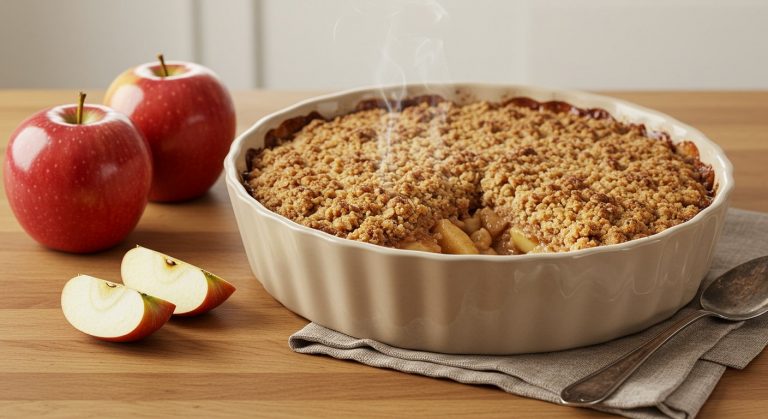
For the fifth course, choose a dessert that balances richness and lightness. Chocolate-based desserts like molten lava cake or truffles pair beautifully with bold wines, while fruit tarts or sorbets offer a refreshing finish.
If you prefer a savory twist, a cheese platter with blue cheese or aged gouda can be a surprising yet delightful choice. The key is to match the dessert’s intensity with the wine’s sweetness and body. Avoid overly sugary treats that might overpower the wine, and aim for flavor harmony.
For example, a dark chocolate mousse complements a Port’s deep notes, while a lemon tart shines with a crisp Late Harvest Riesling. Keep portions small so guests leave satisfied but not stuffed.
This final course should leave a lasting impression, so don’t be afraid to get creative with flavors and textures while staying true to the pairing principles.
Best Sweet Wines: Port, Sauternes, or Late Harvest Riesling
Sweet wines are the perfect ending to a five-course meal. Port is a classic choice, offering rich, fruity notes that elevate chocolate desserts. Its full body and intense sweetness make it a standout pairing. For something lighter, Sauternes brings honeyed apricot flavors that beautifully complement fruit tarts or crème brûlée.
If you prefer a brighter finish, a Late Harvest Riesling delivers zesty acidity and balanced sweetness, ideal for citrus-based desserts or even cheese. Serve these wines chilled (except Port, which is best at room temperature) to enhance their flavors.
Remember, the wine should always be sweeter than the dessert to avoid tasting bitter. Experiment with these options to find the perfect match for your final course, and your guests will appreciate the thoughtful touch.
Ensuring the Wine is Sweeter Than the Dessert
A golden rule for dessert pairings is to ensure the wine is sweeter than the dessert. If the wine is less sweet, it may taste sour or bitter, ruining the experience. For example, pair a Sauternes with a honey-glazed tart or a Late Harvest Riesling with a lemon meringue pie.
The wine’s sweetness should balance the dessert’s sugar and acidity, creating a harmonious finish. When in doubt, taste the dessert first to gauge its sweetness level, then select a wine that surpasses it. This simple trick guarantees a smooth, enjoyable ending to your meal.
Don’t hesitate to ask a sommelier or wine shop expert for recommendations—they can help you find the perfect match. A well-paired dessert wine leaves a lasting impression and ties your five-course meal together beautifully.
Practical Tips for Hosting a Wine Paired Dinner Party
How Many Bottles of Wine to Buy for 5 Courses
When planning a 5-course meal with wine pairing, you’ll need roughly 3 to 5 bottles for a party of six, assuming a standard 5-ounce pour per course.
Start by estimating one bottle for every two guests, but adjust based on your menu—lighter courses like appetizers might require smaller pours, while heavier mains might call for slightly more.
It’s always smarter to buy an extra bottle or two as backup; you’d rather have unopened wine than run out mid-meal. If you’re unsure about quantities, aim for a half-bottle per course for four guests, or split full bottles among six.
Don’t forget to account for variety—offer at least one white, one red, and a sparkling option to keep things interesting. And if your guests are wine enthusiasts, bump up the count slightly; better to have leftovers than to leave them wanting more!
Glassware Selection and Serving Temperatures
For a seamless experience, invest in universal wine glasses that work for both reds and whites—they save space and simplify serving. Ideally, provide two glasses per guest: one still on the table and one to swap between courses.
As for temperatures, whites and sparkling wines shine at 45-50°F, while reds are best at 60-65°F (slightly cooler than room temp). Chill whites in the fridge for two hours before serving, and pop reds in the fridge for 20 minutes to hit that sweet spot.
Avoid overchilling, which masks flavors, or serving reds too warm, which can make them taste boozy. If you’re short on fridge space, an ice bucket works wonders for whites. And don’t stress—serving at the right temp elevates the wine without extra effort.
Pacing the Meal for the Best Experience
A well-paced 5-course meal should take 3 to 4 hours, giving guests time to savor each pairing without feeling rushed. Aim for 20-30 minutes per course, including time for wine conversation. Start lighter with sparkling or white wines, then progress to reds with heartier dishes.
Avoid serving high-alcohol wines early, as they can overwhelm the palate. Pause between courses to let guests recharge—offer small palate cleansers like sorbet or bread to reset flavors. Keep an eye on your guests: if they’re lingering, let the moment breathe; if they’re eager, gently move forward.
The goal is balance, not speed. And remember, pacing isn’t just about timing—it’s about creating a relaxed vibe. If things run a little late, no worries—the joy is in the journey, not the schedule.
Frequently Asked Questions
What is a 5-course meal with wine pairing?
A 5-course meal typically consists of appetizers, soup or salad, a main course, a palate cleanser, and dessert, each paired with a complementary wine. The wine pairing enhances the flavors of each dish, creating a cohesive dining experience. The pairings are carefully selected to balance acidity, sweetness, and body.
How do I pair wines with a 5-course meal?
Start with light, crisp wines like Champagne or Sauvignon Blanc for appetizers, then progress to fuller whites or light reds for soups and salads. For the main course, choose a bold red like Cabernet Sauvignon or a rich white like Chardonnay, and finish with a sweet wine like Port or Moscato for dessert. Always consider the dominant flavors of each dish when selecting wines.
How long does a 5-course meal with wine pairing take?
A 5-course meal with wine pairing typically takes 2-3 hours to enjoy leisurely. Each course is served with time for savoring the food and wine, often accompanied by brief explanations. Pacing ensures guests can fully appreciate the flavors without feeling rushed.
What are common 5-course meal menus?
Common menus might feature a seafood appetizer, a light salad, a hearty meat or vegetarian main, a sorbet intermezzo, and a decadent dessert. Variations often include seasonal ingredients or thematic dishes. The key is to ensure a balance of textures and flavors across courses.
Can dietary restrictions be accommodated in a 5-course meal?
Yes, many chefs and restaurants can adapt 5-course meals for dietary restrictions like gluten-free, vegetarian, or vegan. Wine pairings can also be adjusted, with options like organic or biodynamic wines. Always inform the host or restaurant in advance to ensure proper accommodations.
How much wine is served per course in a wine pairing?
Typically, 2-4 ounces of wine are served per course, totaling about a half to full bottle of wine over the meal. Smaller pours allow guests to enjoy multiple wines without overindulging. Non-alcoholic pairings may also be available upon request.
What’s the difference between a wine pairing and wine by the glass?
A wine pairing is curated to complement each course, offering smaller, specific pours tailored to the dishes. Wine by the glass allows you to choose any wine independently of the meal, often in larger servings. Pairings are designed to enhance the overall dining experience, while by-the-glass offers more flexibility.
Conclusion
Indulging in a five-course meal with wine pairing elevates dining into an art form, blending flavors, textures, and aromas harmoniously. Each course, thoughtfully paired with complementary wines, enhances the culinary journey, creating a memorable experience. Whether savoring rich appetizers or delicate desserts, the interplay of food and wine delights the senses. Don’t hesitate to explore such exquisite dining—it’s a perfect way to celebrate special moments or simply treat yourself to gastronomic bliss. Cheers to unforgettable tastes!